

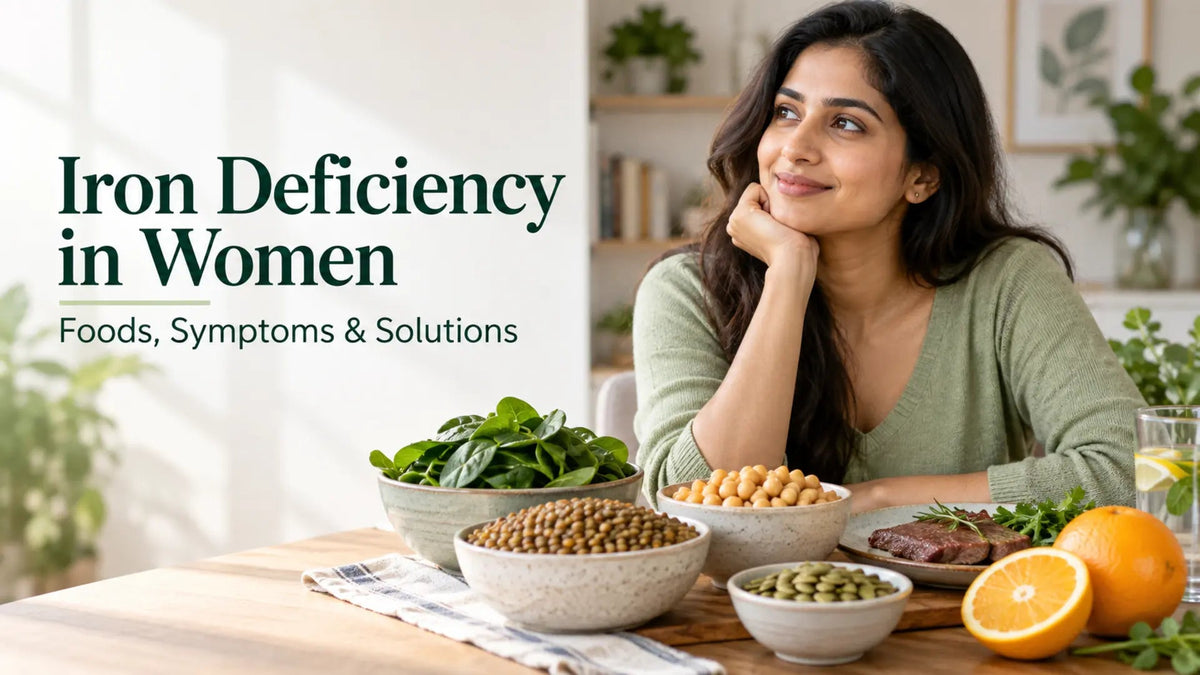
Iron Deficiency in Women: Foods, Symptoms & Solutions
Iron deficiency in women can develop because of heavy periods, pregnancy, low dietary intake, or poor absorption. Learn which foods help, how to improve absorption, which tests matter, and when supplements or medical care may...
Quick answer
Iron deficiency in women is often linked to heavy menstrual bleeding, pregnancy, low iron intake, or poor absorption. Helpful foods include lean meat, fish, lentils, chickpeas, beans, leafy greens, seeds, nuts, and fortified foods. Pair plant-based iron foods with vitamin C from lemon, guava, tomatoes, kinnow, or other fruits and vegetables to improve absorption.
However, tiredness or pale skin alone cannot confirm iron deficiency. A healthcare professional may recommend a complete blood count, ferritin, and other iron tests. If deficiency or iron-deficiency anemia is confirmed, food may support recovery, but supplements and treatment of the underlying cause may also be necessary.
Iron deficiency in women: what you need to know
| Question | Short answer |
|---|---|
| What is iron deficiency? | The body has too little stored or available iron. |
| What is iron-deficiency anemia? | Low iron has reduced the body’s ability to make healthy red blood cells and hemoglobin. |
| Why are women at higher risk? | Menstruation, pregnancy, postpartum blood loss, increased iron needs, and some dietary or digestive problems can lower iron levels. |
| What foods help? | Meat, fish, pulses, leafy greens, seeds, nuts, and fortified foods can contribute iron. |
| What improves absorption? | Vitamin C-rich foods can improve absorption of plant-based iron. |
| Can food alone fix anemia? | Sometimes diet helps, but confirmed deficiency may require clinician-guided supplements and treatment of blood loss or poor absorption. |
| When should you get help? | Seek medical advice for persistent symptoms, heavy periods, pregnancy-related concerns, or very severe symptoms. |
Iron deficiency is sometimes called iron ki kami or khoon ki kami in everyday conversation. These terms are not always medically precise. Low iron, anemia, and iron-deficiency anemia are related but different conditions.
What is iron deficiency?
Iron is a mineral that the body uses to make hemoglobin. Hemoglobin is the protein in red blood cells that carries oxygen from the lungs to the rest of the body. Iron also supports muscles, energy production, brain function, and normal growth.
The body stores iron mainly in a protein called ferritin. When iron intake or absorption stays low, the body first uses its stored iron. If the problem continues, the body may not have enough iron to make normal red blood cells. This can lead to iron-deficiency anemia.
Iron deficiency vs iron-deficiency anemia
| Condition | What it means | Can symptoms occur? |
|---|---|---|
| Iron deficiency | Iron stores are low, but hemoglobin may still be normal. | Yes. Some people have symptoms before anemia develops. |
| Iron-deficiency anemia | Iron is too low to support normal red blood cell and hemoglobin production. | Yes. Symptoms may become more noticeable. |
| Anemia from another cause | Hemoglobin is low, but iron deficiency may not be the main cause. | Yes. Treatment depends on the cause. |
This difference matters. Not every woman with anemia needs iron, and not every woman with low iron has anemia. Vitamin B12 or folate deficiency, inflammation, kidney disease, infections, and inherited blood conditions such as thalassemia can also cause anemia.
Symptoms of iron deficiency in women
Iron deficiency can develop slowly. Some women notice tiredness for months and assume it is caused by stress, poor sleep, work, or family responsibilities. Others have no clear symptoms until anemia becomes more severe.
Common symptoms of low iron
- Tiredness that does not improve with rest
- Low energy or weakness
- Dizziness or light-headedness
- Headaches
- Poor concentration or brain fog
- Reduced exercise tolerance
- Shortness of breath during activity
- Cold hands and feet
- Pale skin or pale inner eyelids
- A fast or noticeable heartbeat
Less common symptoms
Some women with iron deficiency may also experience:
- Hair shedding
- Brittle or spoon-shaped nails
- Restless legs, especially at night
- A sore or smooth tongue
- Cracks at the corners of the mouth
- Craving ice, clay, soil, paper, or other non-food items
- Unusual changes in taste
These symptoms can have many causes. Hair loss may be related to iron deficiency, thyroid disease, recent weight loss, illness, stress, hormonal changes, or other nutritional problems. Restless legs can also have causes other than low iron. Testing is more reliable than guessing from symptoms.
Can you have low iron without anemia?
Yes. Iron stores can become low before hemoglobin falls below the anemia range. A woman may have fatigue, poor concentration, reduced exercise tolerance, hair shedding, or restless legs even when a basic hemoglobin result appears normal.
This is one reason ferritin and the wider clinical picture may matter. A healthcare professional should interpret results using symptoms, medical history, inflammation, pregnancy status, and the laboratory’s reference range.
Why women develop iron deficiency
Most cases can be understood through four pathways:
- The body loses more iron than it replaces.
- The body needs more iron than usual.
- The diet does not provide enough iron.
- The body cannot absorb or use iron properly.
Heavy menstrual bleeding
Menstrual blood loss is one of the most important reasons women of reproductive age develop low iron. The risk is higher when periods are very heavy, last more than seven days, contain large clots, or interfere with school, work, sleep, or daily activities.
Heavy bleeding may be related to fibroids, endometriosis, adenomyosis, hormonal problems, a bleeding disorder, some medicines, or other gynecological conditions. Eating more iron is useful, but it does not correct the ongoing blood loss. The bleeding itself may need assessment and treatment.
Pregnancy
During pregnancy, the body needs more iron to make additional blood for the mother and to support the developing baby. A woman may also begin pregnancy with low iron stores because of previous menstrual blood loss, earlier pregnancies, or a low-iron diet.
Pregnancy is not the right time to self-prescribe high-dose iron or rely on social media advice. Blood tests and prenatal supplements should be managed with an obstetrician, midwife, doctor, or qualified nutrition professional.
Postpartum blood loss
Blood loss during childbirth can reduce iron stores. Postpartum fatigue is common, but severe or persistent fatigue, dizziness, breathlessness, palpitations, or ongoing bleeding should not be dismissed as normal recovery.
Low dietary intake
Iron intake may be low when a woman:
- Eats very small portions because of dieting
- Skips meals regularly
- Avoids meat, fish, pulses, or fortified foods
- Follows a vegetarian or vegan diet without planning
- Has a very limited food budget
- Has poor appetite or an eating disorder
- Drinks tea or coffee with most meals and eats little variety
Vegetarian and vegan diets can provide enough iron, but they require attention to food variety, protein, vitamin C, and absorption.
Poor absorption
Iron may not be absorbed well in people with:
- Celiac disease
- Crohn’s disease or ulcerative colitis
- Chronic diarrhea
- Some stomach or intestinal surgeries
- Ongoing digestive inflammation
- Certain medicines or supplement combinations
If iron remains low despite appropriate treatment, the next step is not always a higher dose. The cause may be blood loss, poor absorption, an incorrect diagnosis, or difficulty taking the supplement consistently.
Gastrointestinal blood loss
Ulcers, intestinal disease, some medicines, and other conditions can cause slow blood loss that is not visible. Unexplained iron deficiency, especially after menopause, should be discussed with a healthcare professional rather than blamed only on diet.
Infections and inherited blood conditions
In some settings, infections and intestinal parasites can contribute to anemia or nutrient loss. In South Asian populations, thalassemia trait is also important to consider. Small red blood cells do not automatically prove iron deficiency. Taking iron without confirmation may be unhelpful or unsafe.
How much iron do women need?
The following are general dietary reference amounts for healthy people:
| Life stage | Recommended amount |
|---|---|
| Teen girls, 14–18 years | 15 mg per day |
| Women, 19–50 years | 18 mg per day |
| Pregnancy | 27 mg per day |
| Breastfeeding women | 9 mg per day |
| Women aged 51 years and older | 8 mg per day |
These amounts are not treatment doses for iron deficiency or anemia. A woman with confirmed deficiency may need a medically prescribed amount that is different from the daily dietary target.
Best iron-rich foods for women
Iron in food is found mainly in two forms: heme iron and non-heme iron.
Heme iron foods
Heme iron is found in animal foods and is generally absorbed more efficiently than plant-based non-heme iron.
- Lean beef
- Mutton or lamb
- Chicken
- Fish
- Seafood
- Meat-based curries with a balanced meal
Choose lean, well-cooked meat and keep portions appropriate for your health goals. Women with diabetes, high cholesterol, kidney disease, pregnancy, or other conditions may need a more personalized plan.
Plant-based iron foods
Useful plant-based options include:
- Masoor daal
- Moong daal
- Chana daal
- Chickpeas or chana
- Kidney beans or rajma
- Lobia
- Soybeans and tofu
- Spinach, saag, and other leafy greens
- Pumpkin seeds
- Sesame seeds or til
- Nuts
- Iron-fortified cereals
- Fortified flour or grain products, where available
- Dried apricots, raisins, and prunes
Pulses are especially practical in Pakistan because they are affordable, familiar, and easy to include in daal, chana chaat, lobia, soups, and mixed dishes.
Are spinach and saag enough?
Spinach and saag can contribute iron, folate, fiber, and other nutrients, but plant-based iron is not absorbed as efficiently as heme iron. Do not rely on one food alone. Combine leafy greens with pulses, seeds, fortified foods, and a vitamin C source.
Is liver good for iron deficiency?
Liver is rich in iron, but it is also very high in preformed vitamin A. Pregnant women should avoid liver and liver products because too much preformed vitamin A can harm fetal development. Women who are not pregnant should still avoid excessive intake and discuss unusual dietary plans with a professional.
How to improve iron absorption
The amount of iron in a food is only part of the story. Absorption depends on the type of iron, the rest of the meal, digestive health, and the person’s iron status.
Add vitamin C to plant-based iron meals
Vitamin C can improve absorption of non-heme iron. Good local combinations include:
| Iron source | Add a vitamin C food |
|---|---|
| Masoor or moong daal | Lemon, tomato, or guava |
| Chana chaat | Lemon, tomato, or capsicum |
| Lobia or rajma | Tomato-based salan and salad |
| Saag or spinach | Lemon and tomato |
| Roasted chana | Guava, kinnow, or orange |
| Tofu or soybeans | Capsicum, tomatoes, or broccoli |
Vitamin C does not turn a low-iron meal into a treatment for anemia, but it can make plant-based iron more useful as part of a consistent diet.
Be careful with tea, coffee, milk, and supplements
Tea, coffee, calcium-containing products, some antacids, and certain medicines can reduce iron absorption when taken at the same time as an iron supplement or iron-focused meal. Follow the instructions provided with the specific medicine. Ask a pharmacist if you take thyroid medicine, antibiotics, antacids, calcium, or other mineral supplements.
Many women in Pakistan drink tea with breakfast or immediately after meals. Moving tea or coffee away from an iron-focused meal may be helpful, especially when iron levels are low.
Prepare pulses properly
Soaking and thoroughly cooking beans and lentils can improve texture and digestion. A varied diet that includes pulses, vegetables, protein, and vitamin C is more useful than focusing on a single “superfood.”
Practical Pakistani meal ideas for low iron
Food cannot replace medical treatment when anemia is significant, but these combinations can help improve daily iron intake.
One-day mixed-diet example
Breakfast: Egg with roti, tomato, and guava
Lunch: Beef or chicken salan with roti, daal, and lemon-tomato salad
Snack: Roasted chana with kinnow or another vitamin C-rich fruit
Dinner: Fish with chana, saag, or mixed vegetables and roti
Keep tea or coffee separate from the main iron-focused meals when possible.
Budget-friendly vegetarian example
Breakfast: Fortified cereal or oats with fruit
Lunch: Masoor daal with rice or roti and tomato-lemon salad
Snack: Roasted chana and guava
Dinner: Chana, lobia, or rajma with vegetables and roti
Vegetarian or vegan meal formula
At each main meal, try to include:
- One iron-containing food, such as daal, chana, beans, tofu, seeds, or fortified grain.
- One vitamin C food, such as lemon, guava, tomatoes, kinnow, capsicum, or broccoli.
- A protein source.
- Enough energy to meet your needs.
Women with diabetes, kidney disease, digestive disease, pregnancy, or a history of anemia may need a personalized meal plan.
How iron deficiency is diagnosed
Symptoms can suggest a problem, but blood testing is needed to understand iron status.
Tests a healthcare professional may order
| Test | What it helps assess |
|---|---|
| Complete blood count | Red blood cells, hemoglobin, hematocrit, and cell size |
| Ferritin | Stored iron in the body |
| Serum iron | Iron circulating in the blood |
| Transferrin or total iron-binding capacity | How the body transports and binds iron |
| Transferrin saturation | How much iron is available for use |
| Reticulocyte count | How the bone marrow is producing new red blood cells |
Ferritin is useful because it reflects iron storage, but results must be interpreted in context. Inflammation, infection, liver disease, and other conditions can change ferritin levels. A normal-looking result does not always settle the question when symptoms or chronic illness are present.
What your clinician may ask
Expect questions about:
- Period length, flow, clots, and bleeding between periods
- Pregnancy or recent childbirth
- Diet and meal patterns
- Tea, coffee, calcium, and supplement use
- Stomach pain, diarrhea, constipation, or blood in stool
- Previous anemia or low ferritin
- Family history of thalassemia or other blood disorders
- Medicines such as antacids, thyroid medicine, or blood thinners
The cause matters as much as the laboratory result. Replacing iron without finding the reason it became low may lead to repeated deficiency.
Solutions for iron deficiency in women
Effective management usually combines three steps:
- Replace the missing iron.
- Improve iron intake and absorption.
- Find and treat the reason iron became low.
Iron supplements
When deficiency or iron-deficiency anemia is confirmed, a healthcare professional may recommend an oral iron supplement. Different products contain different forms and amounts of elemental iron. The tablet strength on the package is not always the same as the amount of elemental iron.
Do not choose a high-dose iron supplement only because you feel tired. Too much iron can be harmful, and iron is not the correct treatment for every form of anemia.
Common side effects of oral iron
Iron tablets may cause:
- Constipation
- Diarrhea
- Nausea
- Stomach pain
- Heartburn
- Darker stools
If side effects make it difficult to continue, speak with a doctor or pharmacist. The product, timing, dose, or treatment plan may need adjustment. Do not stop prescribed treatment without advice.
Keep iron supplements away from children. Accidental iron overdose can be extremely dangerous.
When oral iron does not work
If blood results do not improve, a professional may review:
- Whether the supplement was taken consistently
- Whether tea, coffee, calcium, antacids, or other medicines reduced absorption
- Whether menstrual or gastrointestinal blood loss is continuing
- Whether the diagnosis is correct
- Whether celiac disease, inflammatory bowel disease, or another condition is affecting absorption
- Whether another treatment is needed
Intravenous iron may be considered in selected situations, such as poor absorption, significant deficiency, intolerance, or a need for faster replacement. This is a medical decision and is not suitable for self-treatment.
Treat heavy periods, not only low iron
If heavy periods are the reason iron keeps falling, iron tablets alone may not solve the problem. A gynecologist or healthcare professional may assess fibroids, endometriosis, hormonal causes, bleeding disorders, medicines, or other conditions. Treatment depends on the cause and the woman’s health, pregnancy plans, and preferences.
Iron deficiency during pregnancy
Pregnancy increases iron needs. Include iron-rich foods, vitamin C, and a varied diet, but follow the prenatal plan recommended by your healthcare professional.
Important pregnancy precautions:
- Do not take high-dose iron without medical advice.
- Do not use liver as a pregnancy “iron remedy.”
- Do not take supplements containing vitamin A as retinol unless specifically advised.
- Report severe fatigue, fainting, breathlessness, palpitations, or bleeding.
- Keep prenatal vitamins and iron supplements away from children.
Pregnancy-related anemia needs proper testing because both the mother and developing baby may be affected by untreated anemia.
Iron deficiency in teenage girls and young women
Teen girls and young women may have higher risk because of growth, menstruation, skipped meals, dieting, low meat intake, or heavy periods. A practical plan should include regular meals, pulses, meat or alternatives, leafy greens, vitamin C, and assessment of menstrual blood loss.
Parents and teachers should not dismiss constant tiredness, poor concentration, dizziness, or pica as laziness or normal teenage behavior. Persistent symptoms deserve a health assessment.
Iron deficiency after menopause
After menopause, menstrual blood loss is no longer an expected explanation for low iron. Low ferritin or iron-deficiency anemia should be discussed with a healthcare professional so that dietary intake, medicines, gastrointestinal blood loss, absorption problems, and other causes can be considered.
When to seek medical help
Arrange a medical appointment if:
- Fatigue continues for several weeks
- You have heavy or prolonged periods
- You feel dizzy or short of breath during normal activity
- You have hair shedding with other low-iron symptoms
- You have restless legs or pica
- Previous tests showed low ferritin or hemoglobin
- Iron remains low despite taking supplements
- You are pregnant or recently gave birth
Seek urgent medical care for:
- Chest pain
- Severe shortness of breath
- Fainting or near-fainting
- A very rapid or irregular heartbeat
- Heavy active bleeding
- Vomiting blood
- Blood in the stool or black, tarry stools that are not explained by an iron supplement
- Severe symptoms during pregnancy
Common myths about iron deficiency
Myth: Pomegranate or beetroot can cure anemia
Pomegranate and beetroot can be part of a healthy diet, but they should not be presented as a cure for iron-deficiency anemia. Treatment depends on the cause and severity of the deficiency.
Myth: Spinach is enough to correct low iron
Spinach contributes iron and other nutrients, but plant-based iron is less readily absorbed than heme iron. Use a variety of foods and add vitamin C.
Myth: Normal hemoglobin means iron stores are definitely normal
Iron stores may fall before anemia develops. Ferritin and the wider clinical picture may be needed.
Myth: Every case of anemia needs iron tablets
Anemia can have several causes. Iron is not automatically appropriate for vitamin B12 deficiency, folate deficiency, inflammation, kidney disease, thalassemia trait, or other conditions.
Myth: More iron is always better
Excess iron can cause harm. Use supplements only as directed by a healthcare professional.
Myth: Liver is the safest pregnancy food for iron
Liver contains iron but is also high in preformed vitamin A. Pregnant women should avoid liver and liver products.
Frequently asked questions
What is the best food for iron deficiency in women?
There is no single best food for every woman. Lean meat and seafood provide heme iron, while lentils, chickpeas, beans, leafy greens, seeds, and fortified foods provide non-heme iron. Choose foods that fit your diet and pair plant-based sources with vitamin C.
Which fruits increase iron?
Most fruits are not major iron sources, but vitamin C-rich fruits can help the body absorb plant-based iron. Guava, kinnow, oranges, strawberries, and other vitamin C foods are useful with daal, chana, beans, greens, or fortified grains.
How can I increase hemoglobin quickly?
First, confirm the cause of low hemoglobin. Iron-rich foods may help, but confirmed iron-deficiency anemia may require a prescribed supplement and treatment of blood loss or poor absorption. A food or drink cannot safely guarantee a rapid rise in hemoglobin.
Can iron deficiency cause hair loss?
Iron deficiency may be associated with hair shedding, but hair loss has many possible causes. A healthcare professional may check ferritin, blood count, thyroid function, recent illness, diet, stress, and hormonal factors rather than assuming iron is the only problem.
Can I have iron deficiency with a normal hemoglobin result?
Yes. Iron stores may be low before anemia develops. Ferritin and other iron-related tests may help clarify the situation.
Do tea and coffee reduce iron absorption?
Tea and coffee can reduce iron absorption when consumed at the same time as an iron-focused meal or supplement. If your iron is low, ask a healthcare professional or pharmacist how to time them with your treatment.
Are dates and raisins good for iron deficiency?
Dates and raisins can be included in a balanced diet, but they should not be treated as the main solution for iron deficiency. Pulses, meat, fish, leafy greens, seeds, and fortified foods usually provide a stronger overall iron strategy.
Is iron deficiency common during pregnancy?
Pregnancy increases iron needs, so deficiency and anemia can occur. Pregnant women should follow recommended prenatal supplements and testing rather than self-treating with high-dose iron or liver.
Why is my iron still low after taking supplements?
Possible reasons include ongoing heavy bleeding, poor absorption, medicine interactions, inconsistent use, an incorrect diagnosis, or another medical condition. Follow-up blood tests and a review of the cause are important.
What tests check for low iron?
A clinician may use a complete blood count, ferritin, serum iron, transferrin or total iron-binding capacity, transferrin saturation, and other tests based on the person’s symptoms and history.
The bottom line
Iron deficiency in women is not only a food problem. Heavy periods, pregnancy, postpartum blood loss, restrictive diets, digestive conditions, medicines, and inherited blood disorders can all play a role.
The most useful food strategy is to eat iron-rich foods regularly and pair plant-based sources with vitamin C. But if symptoms persist, periods are heavy, pregnancy is involved, or blood tests show low iron, seek professional guidance. The safest solution is to confirm the deficiency, identify the cause, and choose the right treatment.
MNT consultation
If you need help understanding low ferritin, planning iron-rich Pakistani meals, or managing iron intake alongside PCOS, diabetes, pregnancy, digestive problems, or weight goals, you can explore nutrition support from MNT Care.
We rely on peer-reviewed studies and reputable medical journals.