

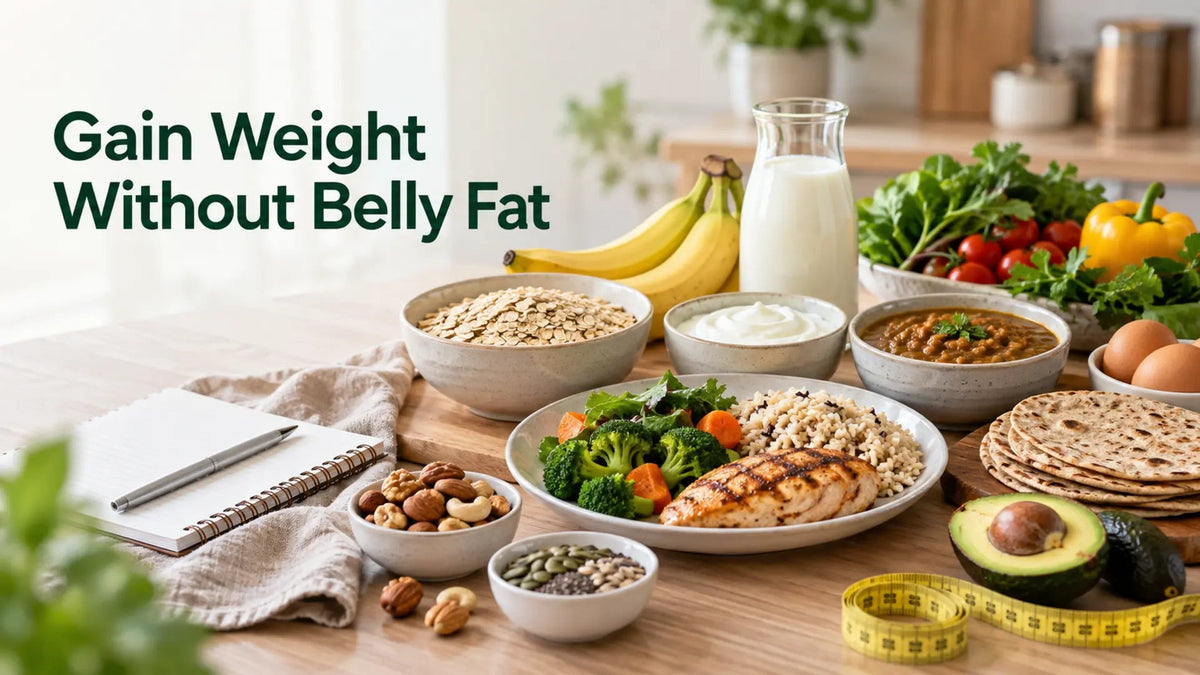
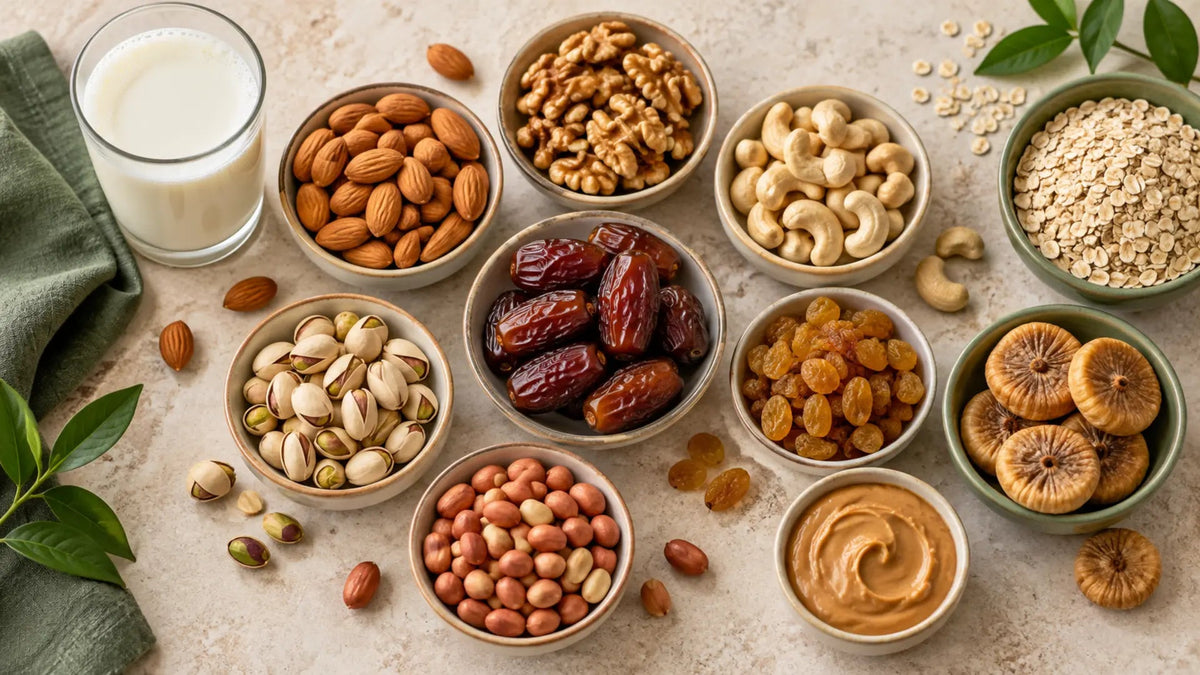
Best Dry Fruits and Nuts for Weight Gain: Calories, Portions & Meal Ideas
Peanuts, peanut butter, cashews, almonds, walnuts, dates, raisins, and dried figs can help increase calories when added to balanced meals. Learn practical portions, combinations, smoothie ideas, and safety tips for healthy weight gain.
Quick answer
The best dry fruits and nuts for weight gain are peanuts, peanut butter, cashews, almonds, walnuts, dates, raisins, and dried figs. Nuts mainly provide calorie-dense unsaturated fats and some protein. Dried fruits provide concentrated carbohydrates and natural sugars.
For many adults, a practical starting point is 25–30 g of nuts plus 20–30 g of dried fruit per day. This usually adds about 230–280 calories, depending on the foods and portion sizes. If you need more energy, add them to milk, yogurt, oats, bread, rice dishes, or a smoothie instead of replacing your main meals.
Healthy weight gain depends on your total daily calorie intake. The NHS suggests that adults may try adding around 300–500 extra calories per day, while also eating a balanced diet and including strength training where appropriate. Your needs may be lower or higher. No single dry fruit guarantees weight gain or muscle gain. NHS guidance on healthy weight gain
If you are losing weight without trying, have ongoing digestive symptoms, or cannot gain weight despite eating regularly, seek medical advice instead of relying only on dry fruits and nuts.
Best dry fruits and nuts for weight gain at a glance
The figures below are approximate values for plain foods. Product size, variety, roasting method, added ingredients, and brand can change the calories. Check the package label when available and use USDA FoodData Central as a reference for generic foods.
| Food | Practical serving | Approximate calories | Best use |
|---|---|---|---|
| Macadamia nuts | 30 g | 210–220 kcal | Very calorie-dense addition |
| Pecans | 30 g | 200–210 kcal | Energy-dense snack or topping |
| Walnuts | 28 g | About 185 kcal | Unsaturated fat and plant omega-3 ALA |
| Almonds | 30 g | 170–175 kcal | Fats, protein, fiber, and vitamin E |
| Peanuts | 30 g | 165–175 kcal | Affordable calories and protein |
| Peanut butter | 2 tablespoons | 180–200 kcal | Toast, oats, and smoothies |
| Cashews | 30 g | 160–170 kcal | Soft texture and easy blending |
| Pistachios | 30 g | 155–170 kcal | Variety, protein, and fiber |
| Dates | 30 g | About 80–85 kcal | Concentrated carbohydrates |
| Raisins | 30 g | About 90 kcal | Portable carbohydrate snack |
| Dried figs or anjeer | 30 g | About 70–80 kcal | Carbohydrates and fiber |
| Dried apricots | 30 g | About 70–75 kcal | Portable carbohydrate and fiber |
These numbers are not a prescription. A large Medjool date can contain much more energy than a small date, so weighing the portion or checking the label gives a more reliable estimate.
What are dry fruits and nuts?
In Pakistan and South Asia, “dry fruits” often means both nuts and dried fruits. They are different food groups, so this article uses both terms clearly.
Nuts
Nuts include almonds or badam, cashews or kaju, walnuts or akhrot, pistachios or pista, peanuts or moongphali, pecans, macadamias, hazelnuts, and chilgoza.
Most nuts are rich in unsaturated fats. Many also provide protein, fiber, magnesium, vitamin E, and other nutrients. Peanuts are botanically legumes, but they are commonly grouped with nuts because they are used in similar ways and have a similar nutrient role.
Dried fruits
Dried fruits include dates or khajoor, raisins or kishmish, dried figs or anjeer, dried apricots, prunes, and dried cranberries.
Drying removes much of the water from fruit. The fruit becomes smaller, so its carbohydrates and calories are concentrated in a smaller portion. This makes dried fruit useful for adding energy, but also easy to overeat.
Best nuts for weight gain
1. Peanuts and peanut butter
Peanuts are one of the best options for affordable weight gain. They provide calories, unsaturated fats, plant protein, and some fiber. They are also widely available in Pakistan and usually cost less than premium nuts.
Peanut butter is helpful when you have a small appetite because it is easy to spread or blend. Choose a product with peanuts as the main ingredient and limit varieties with large amounts of added sugar, salt, or partially hydrogenated oils.
Try peanuts or peanut butter with:
- Whole-grain bread and banana
- Oats cooked in milk
- A banana and milk smoothie
- Yogurt
- Dates
- Rice, porridge, or homemade energy bites
Peanut butter is not automatically better than whole peanuts. It is simply easier for some people to eat in a larger, measured portion.
2. Cashews
Cashews are energy-dense and have a soft texture. Their mild taste works in both sweet and savory meals. You can add them to oats, yogurt, rice dishes, pulao, curries, smoothies, or homemade snack mixes.
Use plain or lightly roasted cashews more often than heavily salted or sugar-coated versions. Because cashews are easy to eat quickly, measure the portion instead of eating directly from a large packet.
3. Almonds or badam
Almonds provide unsaturated fats, protein, fiber, vitamin E, and magnesium. They are a useful all-round option when you want more than calories from sugar alone.
Add almonds to:
- Oats or porridge
- Yogurt
- A smoothie
- Whole-grain toast
- A homemade trail mix
- Chopped fruit or rice dishes
Soaking almonds is optional. It may make them softer or easier to chew, but it does not add calories or create a special weight-gain effect.
4. Walnuts or akhrot
Walnuts provide energy and unsaturated fats, including alpha-linolenic acid, a plant-based omega-3 fat. A typical serving is about 28 g, often described as approximately 14 halves, but the exact count depends on the size of the pieces.
Add walnuts to oats, yogurt, salads, porridge, bread, or smoothies. Store them in an airtight container. Refrigeration can help preserve quality when you buy a large quantity because walnuts contain natural oils that can become stale.
5. Pistachios or pista
Pistachios provide calories, unsaturated fats, protein, and fiber. They add variety to a weight-gain plan and can be eaten as a snack or added to yogurt, oats, rice, or desserts.
Choose unsalted or lightly salted pistachios if you eat them regularly. Frequent high-sodium snacks may not suit people with high blood pressure or other medical needs.
6. Pecans, macadamias, and chilgoza
Pecans and macadamias are among the most calorie-dense nuts. Chilgoza and other premium nuts can also add calories, but they are not necessary for weight gain.
The most effective nut is usually the one you can afford, tolerate, and eat consistently. A budget-friendly peanut snack can support a calorie surplus just as well as an expensive nut when the total calories are similar.
Best dried fruits for weight gain
1. Dates or khajoor
Dates are a convenient source of concentrated carbohydrates. Their calories vary considerably by size and variety. Large Medjool dates are much bigger than many small dates sold locally.
Eat dates with milk, yogurt, oats, peanut butter, almonds, or walnuts. You can also blend them into a smoothie. If you have diabetes or need to control carbohydrate intake, use a measured portion rather than eating a large number of dates at once.
2. Raisins or kishmish
Raisins are affordable, portable, and easy to add to meals. A small measured portion can increase the energy of oats, yogurt, rice dishes, cereal, sandwiches, or trail mix without adding much bulk.
Choose raisins without added sugar when possible. Raisins contain little protein, so pair them with peanuts, almonds, walnuts, milk, yogurt, or another protein food.
3. Dried figs or anjeer
Dried figs provide carbohydrates and fiber. They can be eaten with nuts, chopped into oats, added to yogurt, or blended into a smoothie.
Start with a small portion if you are not used to high-fiber foods. Large amounts may cause gas, bloating, or loose stools in some people. Soaking dried figs can soften their texture, but it does not increase their calorie value.
4. Dried apricots
Dried apricots are a portable source of carbohydrates and fiber. Add them to trail mix, oats, yogurt, or a meal.
Read the ingredient label. Some products contain added sugar, oil, or sulfites. People who are sensitive to sulfites may need to choose a suitable product and discuss repeated symptoms with a healthcare professional.
5. Prunes and dried cranberries
Prunes are optional. Their sorbitol and fiber content may help some people with constipation, but they are not required for weight gain.
Dried cranberries are often sweetened, so they should not automatically be treated as equivalent to unsweetened raisins, dates, or figs. Check the ingredients and added-sugar information.
Nuts or dried fruits: which is better for weight gain?
Neither category is automatically better. They play different roles.
| Feature | Nuts | Dried fruits |
|---|---|---|
| Main calorie source | Fat | Carbohydrate |
| Protein | Moderate in many nuts | Usually low |
| Natural sugar | Low in most plain nuts | More concentrated |
| Fiber | Moderate to high | Moderate to high |
| Best role | Add energy, fat, and some protein | Add carbohydrates and portable energy |
| Good pairings | Dried fruit, milk, yogurt, oats, bread | Nuts, peanut butter, milk, yogurt |
If your appetite is small, nuts or nut butter can add energy without a large food volume. If you need more carbohydrate for daily activity or exercise, dates and raisins may be useful. Combining both can make a more balanced snack than eating a large amount of either one alone.
How dry fruits and nuts support healthy weight gain
They make a calorie surplus easier
Weight gain occurs when average energy intake remains higher than energy use over time. Nuts and dried fruits can help because they provide substantial energy in small portions.
However, adding them will not always cause weight gain. If they replace a meal, reduce your appetite, or are eaten inconsistently, your total daily intake may not increase. Evidence on nuts and body weight also shows why total diet and energy balance matter rather than assuming that one high-fat food automatically causes weight gain. Systematic review of nuts and body weight
They add energy without requiring a very large meal
One small handful of nuts or two tablespoons of peanut butter can increase the energy of a meal without adding as much volume as another large plate of food. This can be useful for people who feel full quickly.
They provide useful nutrients
Nuts can contribute unsaturated fats, fiber, protein, magnesium, vitamin E, and other nutrients. Dried fruits can contribute carbohydrates, fiber, potassium, and other micronutrients. They should support a varied diet rather than replace vegetables, protein foods, grains, dairy or alternatives, and fresh fruit.
They do not guarantee muscle gain
Dry fruits and nuts can help provide calories, but they do not turn directly into muscle. Muscle gain also requires adequate total protein, resistance training, recovery, and a suitable plan. A handful of nuts alone is not a complete muscle-building diet.
How much dry fruit and nuts should you eat for weight gain?
There is no single portion for every person. Your calorie needs depend on your age, body size, activity, appetite, health conditions, and weight goal.
A practical starting point for many healthy adults is:
- Nuts: 25–30 g, or one small measured handful
- Dried fruit: 20–30 g, or a small portion
- Peanut butter: 1–2 tablespoons
- Dates: A measured portion based on size; two large dates may contain much more energy than several small dates
This combination often adds around 230–300 calories. If you need a larger calorie increase, add another snack or include milk, yogurt, oats, banana, bread, or peanut butter.
Start with one additional serving per day. Track your weekly weight trend, appetite, digestion, strength, and waist measurement for two to three weeks. If your weight does not change and you are medically able to increase intake, add another small portion or ask a dietitian to review your complete diet.
Do not force very large portions. More is not always better. Excessive amounts may cause digestive symptoms and may add more fat than you want.
Best ways to eat dry fruits and nuts for weight gain
Breakfast
Add them to a normal breakfast instead of using them as the whole meal:
- Oats cooked in milk with banana, dates, and peanut butter
- Yogurt with almonds and raisins
- Whole-grain toast with peanut butter and sliced banana
- Eggs, toast, and a small serving of dried fruit
Smoothie
A smoothie can help if chewing large meals is difficult.
Simple weight-gain smoothie
- 250 ml whole milk or fortified soy milk
- 1 medium banana
- 2 dates, adjusted for size
- 1 tablespoon peanut butter
- 20 g oats
Blend until smooth. This provides roughly 500–550 calories, depending on the milk, banana, dates, and peanut butter. Check product labels for a more precise amount. If you have diabetes, lactose intolerance, a nut allergy, or another medical condition, adjust the ingredients with professional guidance.
Evening snack
Good options include:
- Peanuts with raisins
- Yogurt with walnuts and chopped dates
- A peanut butter sandwich
- Milk with almonds
- Dried figs with a few cashews
Add them to meals
You can increase meal energy by adding:
- Crushed peanuts to rice, noodles, or vegetables
- Cashews to curry or pulao
- Chopped walnuts to yogurt or salad
- Almond butter to porridge
- Raisins to oats, rice, or yogurt
Around exercise
Dates or raisins can provide carbohydrates around exercise. Nuts, peanut butter, milk, yogurt, eggs, beans, lentils, chicken, fish, or another protein food can make the overall snack more complete.
There is no required “best” time. Choose a time that helps you increase your total daily intake without reducing your main meals.
Before bed
Eating dry fruits at night is not automatically harmful. A small serving of milk with almonds, yogurt with walnuts, or a peanut butter sandwich can fit into a weight-gain plan if it does not cause reflux, bloating, poor sleep, or excessive daily calories.
Practical combinations for different weight-gain goals
Best budget combination in Pakistan
Try peanuts, roasted chickpeas, raisins, dates, bananas, milk, oats, and bread. These foods are often easier to find and less expensive than macadamias, pecans, or chilgoza.
Best combination for hostel students
Keep a sealed container of peanuts, raisins, dates, and roasted chickpeas. Add milk, yogurt, bananas, bread, or oats when available. Choose measured portions so the mix does not become an unplanned source of excessive calories.
Best combination for a small appetite
Choose soft or liquid options such as:
- Milkshakes
- Yogurt bowls
- Oats with nut butter
- Blended dates and milk
- Peanut butter on toast
Smaller portions taken more often may be easier than one very large meal.
Best combination for muscle gain
Combine dry fruits or nuts with a clear protein source:
- Milk, banana, dates, oats, and peanut butter
- Yogurt, walnuts, and raisins
- Eggs, toast, and peanut butter
- Soy milk, oats, dates, and almond butter
- Rice or roti with lentils, beans, chicken, fish, or eggs, plus a small nut serving
Nutrition alone cannot replace a suitable resistance-training plan.
Best combination for vegetarians and vegans
Use peanuts, almonds, walnuts, peanut butter, soy milk, tofu, beans, lentils, oats, seeds, and dried fruits. Fortified soy milk can provide more protein than many other plant-based drinks. A dietitian can help you check total protein and micronutrient intake.
Can dry fruits cause belly fat?
They can contribute to belly fat if they help create a large, ongoing calorie surplus. The same is true of any food. Dry fruits and nuts are nutritious, but they are not “free calories.”
To reduce unwanted fat gain:
- Increase calories gradually.
- Measure nuts and dried fruits for a few days.
- Keep eating balanced meals.
- Include enough protein.
- Use resistance training if appropriate.
- Track your weight trend and waist measurement rather than judging progress from one day.
You cannot direct all gained weight to one body area or guarantee that extra calories will become muscle.
Are dry fruits and nuts safe for everyone?
Diabetes and prediabetes
Many people with diabetes can include nuts, but dried-fruit portions require more care because drying concentrates carbohydrate. Use a small measured portion and include it within your overall carbohydrate plan.
Pairing dried fruit with nuts, yogurt, or another protein food may make a snack more balanced, but it does not guarantee that blood glucose will not rise. Do not change diabetes medication because of a food choice. If you monitor glucose, discuss repeated high readings with your healthcare professional.
Kidney disease
People with chronic kidney disease do not all have the same dietary restrictions. The amount of nuts or dried fruit that is suitable can depend on kidney function, potassium, phosphorus, protein needs, medicines, and laboratory results.
Do not create a high-calorie dry-fruit plan for kidney disease without advice from your treating clinician or a renal dietitian. The National Kidney Foundation’s guidance on nuts and seeds explains why individual kidney nutrition advice matters.
Nut allergy
Peanuts and tree nuts can cause serious or life-threatening allergic reactions. Avoid a food that has caused a reaction and check labels for cross-contact.
Swelling of the lips or throat, trouble breathing, widespread hives, repeated vomiting, dizziness, or fainting requires urgent medical attention. Follow your clinician’s emergency plan if you have one. The CDC food-allergy guidance provides additional safety information.
Digestive problems
Large amounts of nuts or dried fruit may cause gas, bloating, constipation, or loose stools. Increase portions slowly. Drink enough fluid unless your clinician has restricted fluids, and reduce the portion if symptoms continue.
People with irritable bowel syndrome or known intolerance may react to particular dried fruits. A dietitian can help identify better-tolerated portions and alternatives.
Children
Whole nuts can be a choking risk for young children. Use age-appropriate forms such as smooth nut butter or finely ground nuts, and follow pediatric advice for children with allergies or feeding difficulties.
Unexplained weight loss
If you are losing weight without trying, do not rely only on dates, raisins, or a dry-fruit mix. Unintentional weight loss may be linked with digestive disease, thyroid problems, diabetes, infection, medication effects, stress, or other conditions.
Arrange a medical assessment, especially if weight loss occurs with persistent diarrhea, vomiting, fever, pain, extreme thirst, or loss of appetite. Mayo Clinic guidance on adding weight healthfully
How to choose and store dry fruits
Prefer:
- Plain or lightly roasted nuts
- Unsalted or lightly salted products
- Dried fruits without added sugar
- Fresh packaging with a clear expiry date
- Nut butter with a short, clear ingredient list
Limit:
- Honey-roasted or sugar-coated nuts
- Deep-fried nuts
- Very salty mixes
- Dried fruit coated in sugar syrup
- Products with a long list of added oils and flavorings
Store dry fruits and nuts in airtight containers away from heat, moisture, and direct sunlight. Refrigerate walnuts, nut butter, or large quantities if you will not use them quickly.
Discard products with mold, insects, moisture, an unusual smell, or a bitter and stale taste.
Common mistakes when using dry fruits for weight gain
Replacing meals with dry fruits
Dry fruits are additions, not a complete diet. Continue eating balanced meals with grains, vegetables, fresh fruit, protein foods, and dairy or suitable alternatives.
Eating unlimited portions
A very large handful may contain far more calories than expected. Measure portions until you understand the amount you normally eat.
Choosing sugar-coated products
Added sugar can increase calories, but it adds little nutritional value and may make blood-glucose management more difficult.
Forgetting protein
Nuts contain some protein, but a muscle-focused plan should also include protein-rich foods at meals.
Expecting soaked almonds to work faster
Soaking changes texture. It does not create a special weight-gain effect.
Eating them before a meal when appetite is already low
Some people feel full after nuts. If a snack reduces your appetite for lunch or dinner, move it to after the meal, between meals, or into a smoothie.
Expecting rapid results
Healthy weight gain usually takes time. Track weekly weight averages, appetite, strength, digestion, and waist measurement rather than judging progress after only a few days.
One-day example using dry fruits and nuts
This is an example of how to add dry fruits and nuts to a balanced diet. It is not a personalized medical diet.
Breakfast: Oats cooked in milk with a banana, two dates, and one tablespoon of peanut butter.
Mid-morning snack: Yogurt with a small serving of almonds and raisins.
Lunch: A regular meal containing rice or roti, vegetables, and a protein food such as chicken, fish, eggs, beans, or lentils.
Evening snack: A peanut and raisin mix or a peanut butter sandwich with milk.
Dinner: A regular balanced meal with a protein source and vegetables.
Before bed, if needed: Milk with a few walnut pieces or another suitable snack.
Adjust the amount according to your body size, activity, appetite, medical conditions, and weight trend.
Frequently asked questions
Which dry fruit is best for weight gain?
There is no single best choice for everyone. Peanuts and peanut butter are useful for affordable calories and some protein. Cashews and walnuts are energy-dense. Dates, raisins, and figs provide concentrated carbohydrates. Choose the foods that fit your budget, health needs, digestion, and regular diet.
Which nut has the most calories?
Macadamias and pecans are among the highest-calorie common nuts by weight. Walnuts, almonds, cashews, and peanuts are often more practical and affordable. The difference between nuts matters less than the portion you can eat consistently.
Are dates good for weight gain?
Yes. Dates can help increase carbohydrate and calorie intake, especially when eaten with milk, yogurt, nuts, peanut butter, oats, or a meal. Because date sizes vary, use a measured portion.
Can raisins help with weight gain?
Yes. Raisins are small and energy-dense, so they can be added to oats, yogurt, rice, sandwiches, or trail mix. Pair them with nuts or a protein food because raisins provide little protein.
Is peanut butter better than almonds for weight gain?
Neither is always better. Peanut butter may be easier to eat and is often less expensive. Almonds provide fiber, vitamin E, and healthy fats. Choose the option you tolerate and can use in a measured portion.
How many dry fruits should I eat per day for weight gain?
A practical starting point is one small serving of nuts and one small serving of dried fruit daily. For many adults, this means about 25–30 g of nuts and 20–30 g of dried fruit. Your exact amount depends on your total diet and health needs.
What is the best time to eat dry fruits for weight gain?
There is no required time. Eat them with breakfast, between meals, after exercise, or before bed if that timing helps you increase total daily calories without reducing your main meals or disturbing sleep.
Should I soak almonds for weight gain?
No. Soaking is optional. It may soften almonds and make them easier to chew, but it does not add calories or guarantee faster weight gain.
Can I eat dry fruits at night?
Yes, if the portion fits your daily intake and does not cause reflux, bloating, or poor sleep. Night-time eating does not automatically cause fat gain.
Are dry fruits safe for diabetes?
Nuts often fit more easily into a diabetes-friendly eating pattern, while dried fruit requires smaller, measured portions because its carbohydrate is concentrated. Individual glucose responses vary, so use a plan suited to your medication, meals, and glucose readings.
Can dry fruits cause belly fat?
They can contribute to belly fat if they create a large, ongoing calorie surplus. Use measured portions and aim for gradual weight gain. No food can guarantee that all gained weight will be muscle.
Can I gain weight by eating dry fruits alone?
Dry fruits and nuts can add calories, but they are not a complete diet. Healthy weight gain also requires balanced meals, protein foods, starchy carbohydrates, vegetables, fruits, and suitable dairy or alternatives.
Can I gain weight without exercise?
You can gain body weight without exercise, but resistance training can help support muscle gain and function. If you are underweight, weak, or losing weight unintentionally, obtain professional advice before starting an aggressive plan.
Final takeaway
The best dry fruits and nuts for weight gain are peanuts, peanut butter, cashews, almonds, walnuts, pistachios, dates, raisins, and dried figs. Nuts mainly add energy-dense fats and some protein, while dried fruits add concentrated carbohydrates.
Use measured portions and add them to balanced meals, smoothies, yogurt, oats, sandwiches, rice dishes, and snacks. For healthier, muscle-focused weight gain, combine them with adequate protein, appropriate strength training, good sleep, and a consistent calorie surplus.
If you have diabetes, kidney disease, a nut allergy, persistent digestive symptoms, or unexplained weight loss, obtain individualized advice from a qualified healthcare professional or dietitian. For personalized nutrition support, you can explore MNT’s online nutrition care options.
MNT consultation
Get personalized nutrition support
Discuss your weight-gain goals, food preferences, and health needs with an MNT professional.
We rely on peer-reviewed studies and reputable medical journals.