


How to Gain Weight With GERD Without Triggering Reflux
Learn how to gain weight with GERD without relying on large, heavy meals that may worsen acid reflux. Find tolerated high-calorie foods, meal ideas, shake tips, and medical safety guidance.
Quick answer
You can gain weight with GERD by adding calories gradually, not by forcing large or greasy meals. Eat several smaller meals and snacks, add calories to foods you already tolerate, include carbohydrate and protein regularly, and use small amounts of fat only if it does not worsen your symptoms. Keep meals away from bedtime and stay upright after eating.
There is no universal GERD food list and no diet can promise zero reflux. Your best weight-gain foods are the nutritious foods you can eat often without repeated symptoms.
Get medical advice before trying to gain weight on your own if you are losing weight without trying, have food sticking or pain when swallowing, repeated vomiting, bleeding or black stools, loss of appetite, anemia, or new or severe chest pain. Those symptoms may need assessment, not just a diet change.
Can you gain weight if you have GERD?
Yes. Weight gain requires a consistent calorie surplus, meaning you take in more energy than your body uses over time. With GERD, the problem is not the goal; it is the usual method. Large meals, fried foods, very fatty dishes, late-night eating, and eating until you are overly full can worsen reflux for some people.
The practical solution is to spread extra calories across the day. Add one manageable snack, a larger tolerated carbohydrate portion, or a small calorie booster. If your reflux stays controlled, build from there. This is usually more sustainable than trying to eat a huge dinner.
First, make sure GERD is really the reason you cannot gain weight
GERD can make eating difficult. Heartburn, regurgitation, nausea, chest discomfort, early fullness, or fear of symptoms may cause you to eat less. But GERD should not automatically be blamed for ongoing weight loss.
Other possible reasons include low overall intake, a swallowing problem, another digestive condition, medication effects, high activity needs, stress or anxiety, thyroid disease, poor appetite, or an eating disorder. A weight-gain plan should support medical care—not delay it.
When weight loss with GERD needs medical attention
Contact a doctor promptly if you have reflux symptoms plus any of the following:
- Weight loss without trying
- Difficulty or pain when swallowing
- Food feeling stuck in your throat or chest
- Ongoing or repeated vomiting
- Vomit containing blood or material that looks like coffee grounds
- Black, tarry stools or another sign of bleeding
- Persistent loss of appetite
- Known anemia, weakness, or dizziness
- Symptoms that continue despite treatment
- Frequent use of over-the-counter reflux medicine
New or severe chest pain is not automatically reflux. Seek urgent medical care, especially if it comes with shortness of breath, sweating, faintness, or pain spreading to the arm, back, neck, or jaw.
The 6 rules for gaining weight with GERD
1. Add calories gradually
Do not suddenly double your food intake. Start with one change for several days, such as:
- Adding a mid-morning or afternoon snack
- Adding more rice, oats, potatoes, bread, pasta, or roti to a tolerated meal
- Adding an egg, yogurt, tofu, chicken, fish, or lentils to a meal
- Adding a small amount of olive oil, avocado, seeds, or nut butter if tolerated
- Having a moderate homemade shake between meals
If one change causes symptoms, reduce the portion, change the timing, or choose a different food. Do not assume you have to stop trying to gain weight.
2. Use smaller meals and planned snacks
Many people with GERD tolerate several moderate meals better than two or three large ones. There is no magic number of meals. The target is to eat enough without becoming so full that you get pressure, burning, or regurgitation.
A useful starting pattern is:
- Breakfast
- Mid-morning snack
- Lunch
- Afternoon snack
- Dinner
- Early evening snack only if needed, tolerated, and finished well before bed
Eat slowly. Stop before you feel uncomfortably full. A snack should add calories, not become another oversized meal.
3. Build calories around tolerated carbohydrates and protein
High-fat foods contain many calories, but a high-fat meal can worsen reflux in some people. That does not mean you must avoid all fat. It means you should not make fat your only tool for weight gain.
Carbohydrates such as oats, rice, potatoes, bread, pasta, roti, and cereals often make it easier to raise calories without adding a large amount of fat. Pair them with protein to support muscle, strength, and recovery.
4. Use fats in small portions, not giant portions
Olive oil, avocado, nuts, seeds, and nut butters can help increase calories. They are not automatically GERD-safe. Test a small amount at a time, spread it across the day, and watch your symptoms.
If added fat triggers reflux, use more of a tolerated carbohydrate or add another snack instead. Do not force peanut butter, cheese, oils, or avocado simply because an internet plan says they are healthy.
5. Control meal timing and body position
For nighttime reflux, finish your last full meal at least 2 to 3 hours before lying down or going to bed. Stay upright after meals and avoid lying flat immediately after eating. If you need more calories, move them earlier in the day instead of adding a large bedtime meal.
Large drinks can make some people feel too full. If that happens, sip nourishing drinks slowly between meals rather than using them to wash down a large meal.
6. Track your personal triggers instead of banning every possible food
Commonly reported triggers include fried foods, very fatty meals, chocolate, mint, coffee and other caffeinated drinks, alcohol, spicy foods, citrus, tomato-based foods, and carbonated drinks. But these are not universal bans.
Remove or reduce a food only when it repeatedly causes symptoms. Test one change at a time and replace lost calories with another food you tolerate. An unnecessarily restrictive diet can make weight gain harder and may reduce nutrition variety.
Best foods to gain weight with GERD
The best foods are not the foods with the highest calorie number. They are foods you can eat consistently, prepare simply, and tolerate without repeated reflux.
| Food group | Starting options | How to use them | Watch for |
|---|---|---|---|
| Carbohydrates | Oats, rice, potatoes, sweet potatoes, bread, pasta, roti, daliya, khichdi | Add a moderate portion to meals or snacks | Very large portions may cause fullness |
| Protein | Eggs, chicken, turkey, fish, yogurt, tofu, lentils, beans | Include a tolerated source at meals and snacks | Fried, heavily spiced, or very large portions may worsen symptoms |
| Calorie boosters | Olive oil, avocado, nut butter, nuts, seeds, milk powder | Add a small amount to an existing meal | Fat may trigger symptoms in some people |
| Fruit and snacks | Banana, pear, melon, toast, oats, yogurt | Use between meals | Acidic fruit, chocolate, or mint may be a problem |
| Nourishing drinks | Milk, lactose-free milk, fortified soy milk, simple homemade shakes | Sip slowly between meals | Large volume or high-fat drinks may cause reflux or fullness |
Carbohydrates that are easy to add
Try plain or lightly seasoned versions of:
- Oatmeal or daliya made with milk or a tolerated milk alternative
- Rice, potatoes, sweet potatoes, pasta, bread, or roti
- Khichdi, if it is tolerated and not heavily spiced
- Bananas, pears, melon, or other non-acidic fruit that suits you
- Oat-based snacks or toast
When symptoms are active, a simple baked potato or rice dish may be easier than the same food covered in chili, tomato sauce, cream, or heavy oil.
Protein foods for healthy weight gain
Protein helps preserve and build muscle when you are eating enough total calories. It does not cause weight gain by itself.
Choose options such as eggs, chicken, fish, yogurt, tofu, cottage cheese, lentils, beans, or plain protein powder if it suits your health needs. Grilled, baked, steamed, boiled, or lightly cooked versions may be easier to tolerate than deep-fried or heavily spiced foods.
Beans and lentils are nutritious, but they can cause bloating for some people. Start with a smaller, well-cooked portion if that is an issue.
Calorie boosters: how to use them safely
Add one small booster to a meal you already tolerate:
- A teaspoon to tablespoon of olive oil in rice, potatoes, or cooked vegetables
- A small amount of nut butter on toast or mixed into oats
- A few nuts or seeds added to a snack
- Sliced avocado with a meal
- Milk powder stirred into oats or a shake, if dairy is tolerated
- Yogurt with oats or a snack
Do not combine several fat-heavy additions in one meal, then call the meal GERD-friendly. You will not know which part caused symptoms.
Are high-calorie shakes good for GERD?
They can be. A shake may help if solid food makes you feel full quickly or if you struggle to fit enough snacks into the day. But a shake can also worsen reflux when it is too large, too fatty, acidic, caffeinated, or drunk quickly.
Start with a moderate shake between meals:
- Milk, lactose-free milk, or fortified soy milk that you tolerate
- Banana or pear
- Oats
- Yogurt or a plain protein source, if tolerated
- A small amount of nut butter or seeds only if tolerated
Sip it slowly. Avoid drinking it right before lying down. Avoid adding chocolate, coffee, mint, citrus fruit, cream, or several large fat sources if these worsen your reflux.
Commercial mass-gainer powders are not automatically appropriate for GERD. Some are very large servings or contain ingredients that can upset your stomach. Discuss supplements with a dietitian or doctor if you have another medical condition, take medicines, or are losing weight without trying.
A simple GERD weight-gain meal plan
This is a flexible example for adults, not a prescribed diet. Adjust food choice and portion size for your appetite, culture, medical needs, and personal triggers.
Breakfast
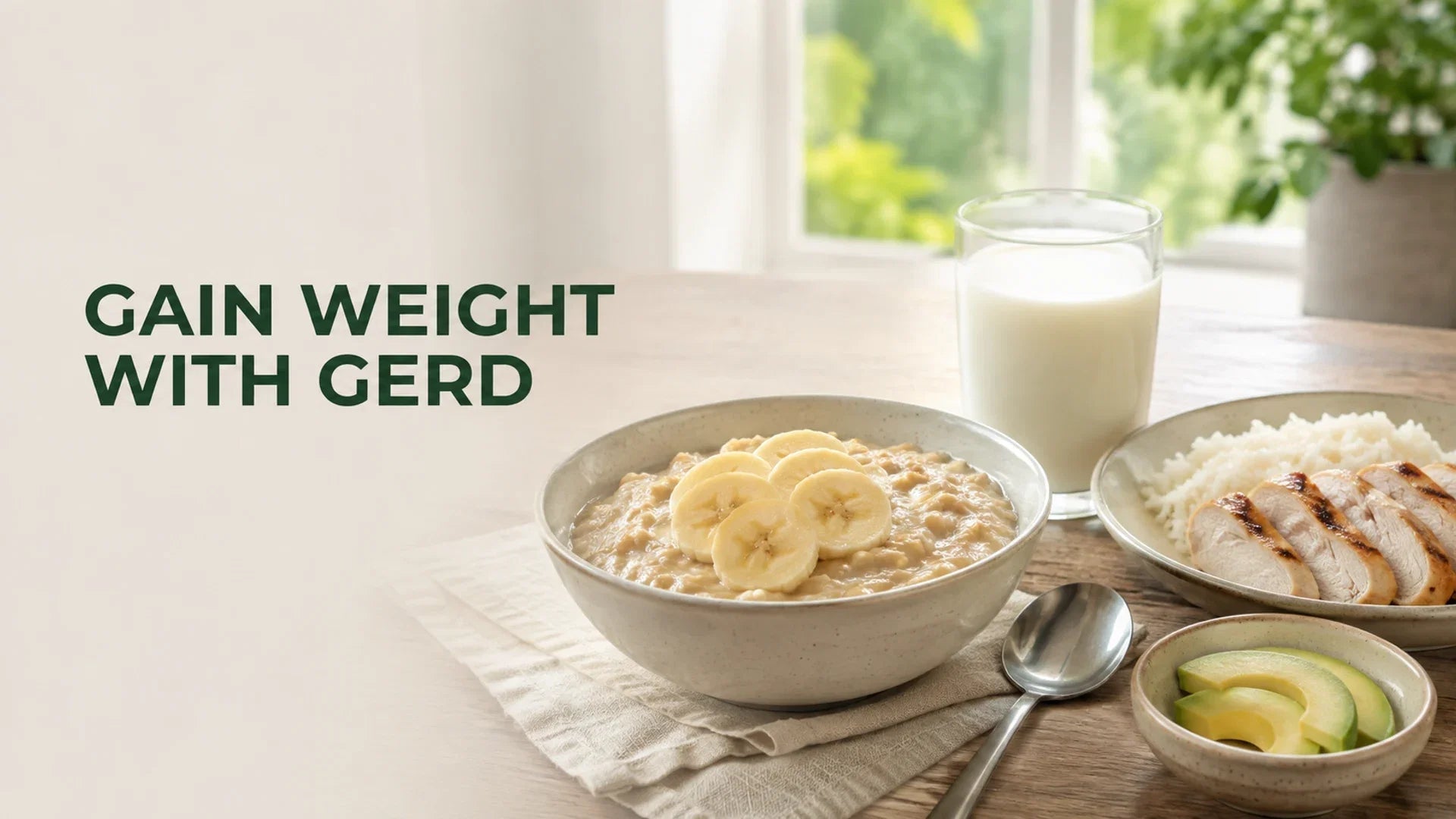
Oats or daliya prepared with milk or a tolerated milk alternative, topped with banana. Add an egg, yogurt, or another tolerated protein source.
Mid-morning snack
Toast with a small amount of nut butter, or yogurt with oats. Choose the option that feels comfortable.
Lunch
Rice, potatoes, pasta, or roti with grilled chicken, fish, tofu, eggs, daal, or lentils. Add cooked vegetables. Keep chili, tomato-based gravy, frying, and excess oil low if they trigger symptoms.
Afternoon snack
A moderate banana-and-oat shake, a banana with yogurt, or toast with a tolerated calorie booster.
Dinner
A moderate serving of rice, potatoes, pasta, or roti with a lean protein source and cooked vegetables. Finish dinner at least 2 to 3 hours before bed.
Early evening option
If you still need calories, have a small, tolerated snack early enough that you are not lying down soon afterward. Oatmeal, toast, banana, or yogurt may work for some people. Do not turn it into a large late-night meal.
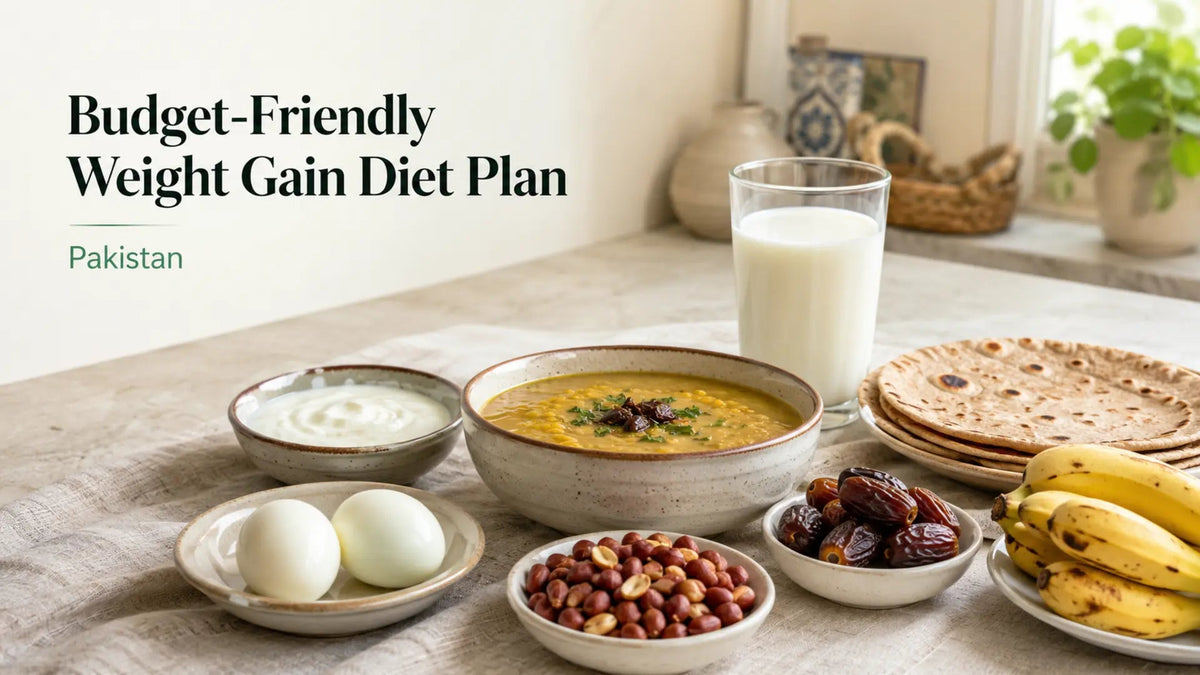
For a Pakistani-style plan, practical staples include daliya, oats, roti, rice, khichdi, daal, chicken, fish, yogurt, potatoes, and bananas. Cooking method matters as much as the food itself.
How to find your personal GERD food triggers
Use a short symptom diary for one to two weeks. Record:
- What you ate and drank
- Portion size and cooking method
- What time you ate
- Whether you lay down or exercised after eating
- Symptoms and their severity
- Any reflux medicine taken
Look for repeat patterns. A food may only cause trouble when the portion is large, fried, eaten late, or paired with another trigger. Change one thing at a time. This is more useful than eliminating a long list of foods without evidence.
What to do when reflux happens after eating
| Problem | Practical adjustment |
|---|---|
| Heartburn after a large meal | Reduce the portion and move some calories to a snack |
| Reflux at night | Eat earlier; discuss suitable bed elevation with a clinician if symptoms continue |
| Symptoms after oily food | Use less fat or change the cooking method |
| Fullness after a shake | Make it smaller and sip it slowly |
| Symptoms after coffee | Reduce it or test a caffeine-free alternative |
| Weight is not increasing | Review your actual intake with a dietitian instead of guessing |
| Painful eating or food sticking | Stop pushing through it and seek medical advice |
Persistent symptoms do not mean you should keep cutting out food after food. They can mean your diagnosis, medication, or treatment plan needs review.
Exercise and muscle gain with GERD
If your goal is to gain muscle, resistance training can help when paired with enough calories and protein. Avoid hard exercise immediately after a large meal. A small pre-exercise snack may be easier to tolerate, followed by a balanced meal when your stomach feels comfortable.
If you are underweight, weak, dizzy, or losing weight without trying, get medical advice before starting a demanding exercise or weight-gain program.
GERD medicine and weight gain
Food changes can reduce symptoms, but they do not replace diagnosis or prescribed treatment. Do not stop, start, increase, or change a proton pump inhibitor, H2 blocker, antacid, or other medicine without advice from your clinician or pharmacist.
If symptoms continue despite treatment, ask for a review instead of trying to solve the problem with increasingly restrictive eating or more supplements.
Who needs an individualized plan?
Speak with a registered dietitian or doctor before using a general weight-gain plan if you have:
- Unintentional weight loss or a very low appetite
- Diabetes, kidney disease, liver disease, or heart disease
- Pregnancy
- A history of esophagitis, ulcers, strictures, or Barrett's esophagus
- Suspected delayed stomach emptying
- Repeated vomiting or swallowing difficulty
- An eating disorder or severe fear of food
- A vegetarian or vegan diet that is difficult to meet calorie needs on
Children and teenagers should not follow an adult GERD weight-gain plan without individual guidance.
Need a personalized GERD weight-gain plan?
Get practical nutrition support for healthy weight gain, GERD, and digestive concerns from an MNT dietitian.
Book a nutrition consultationFrequently asked questions
Can GERD cause weight loss?
It can contribute. Heartburn, nausea, early fullness, painful swallowing, and fear of symptoms can reduce food intake. But unintentional or ongoing weight loss should not automatically be blamed on GERD. It needs medical assessment, especially when alarm symptoms are present.
What are the best high-calorie foods for GERD?
The best options are healthy foods you can tolerate repeatedly. Oats, rice, potatoes, bread, roti, eggs, chicken, fish, yogurt, tofu, bananas, and small amounts of oil, avocado, seeds, or nut butter may help. A very high-fat food is not automatically a good choice just because it has more calories.
Is peanut butter safe for GERD?
It is neither universally safe nor universally unsafe. Peanut butter is calorie-dense, but its fat can trigger reflux in some people. Test a small portion at a time, preferably as part of a small snack rather than a heavy meal.
Can I gain weight with acid reflux without eating large meals?
Yes. Planned snacks, slightly larger portions of tolerated carbohydrates, and small calorie boosters can raise your total intake without creating very large meals.
Can protein shakes worsen acid reflux?
They can, depending on the ingredients, portion size, and timing. Large servings, chocolate, coffee, mint, citrus, high-fat additions, and drinking quickly are common problems. Use a simple, moderate shake between meals if you tolerate it.
Should I avoid all spicy and acidic foods?
No. Avoid foods that repeatedly trigger your own symptoms. Banning every spicy, acidic, or higher-fat food without testing can make your diet too limited and make weight gain harder.
What should I eat before bed to gain weight with GERD?
Avoid a large meal close to bed. If you need an evening snack, keep it small, choose a tolerated option, and finish it at least 2 to 3 hours before lying down. It is usually better to place more calories earlier in the day.
How many meals should I eat with GERD?
There is no fixed number. Several moderate meals and snacks often work better than a few very large meals. Use the pattern that lets you eat enough without repeated fullness or reflux.
When should I see a doctor about GERD and weight loss?
See a healthcare professional if weight loss is unintentional, continues despite eating more, or occurs with trouble swallowing, food sticking, vomiting, bleeding, black stools, anemia, loss of appetite, or persistent symptoms.
Bottom line
The safest way to gain weight with GERD is to add calories slowly through smaller meals, planned snacks, tolerated carbohydrates, regular protein, and modest amounts of fat. Avoid large late meals, stay upright after eating, and identify your own triggers rather than following an overly restrictive list.
If you keep losing weight, cannot eat enough, or have swallowing difficulty, vomiting, bleeding, chest pain, or persistent symptoms, do not rely on diet changes alone. Seek medical evaluation.
We rely on peer-reviewed studies and reputable medical journals.