



How to Increase Appetite Naturally for Weight Gain
Quick Answer: How to Increase Appetite Naturally for Weight Gain
To increase appetite naturally for weight gain, do not force very large meals at once. Instead, eat smaller meals every 2 to 3 hours, follow fixed meal timings, add calorie-dense foods to meals you already tolerate, drink high-calorie smoothies between meals, avoid filling your stomach with water, tea, or coffee before eating, improve digestion, manage stress, sleep better, and do strength training if it is safe for you.
The goal is not only to “feel hungry.” The real goal is to create a consistent calorie surplus in a way your body can tolerate.
A simple starting strategy is:
| Goal | Best Action |
|---|---|
| Low hunger | Eat by schedule, not only by appetite |
| Early fullness | Use smaller meals and avoid too much fluid before meals |
| Need more calories | Add ghee, olive oil, nuts, seeds, peanut butter, cheese, milk, yogurt, dates, and smoothies |
| Want lean weight gain | Combine enough calories, protein, and strength training |
| Poor appetite from bloating, acidity, constipation, or stress | Fix the trigger first |
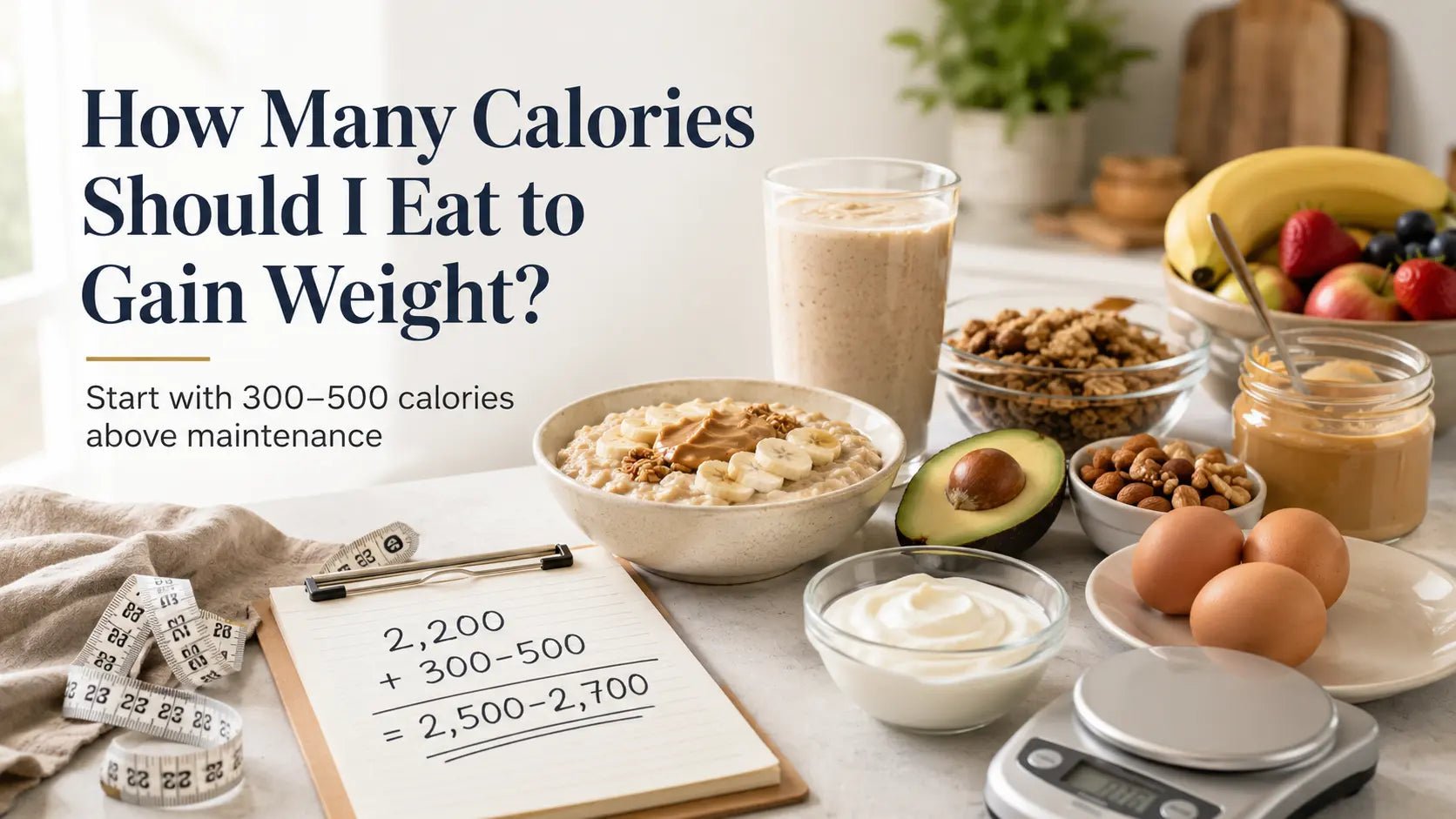
For many adults trying to gain weight, adding around 300 to 500 extra calories per day is a practical starting point. NHS guidance also recommends gradual weight gain, smaller frequent meals, snacks, high-calorie drinks between meals, protein foods, and strength training to support healthy weight gain.
Key Takeaways
Low appetite does not mean you cannot gain weight. It means you need a better eating structure.
Small, frequent meals are usually easier than two or three large meals.
Liquid calories such as smoothies, milkshakes, lassi, and fortified milk can help when solid food feels difficult.
Calorie-dense foods help you eat more energy without increasing food volume too much.
Strength training may support appetite and helps improve the quality of weight gain by supporting muscle growth.
Persistent low appetite, unexplained weight loss, early fullness, vomiting, pain, trouble swallowing, depression symptoms, or long-term digestive symptoms should be medically checked.
First: When Low Appetite Needs Medical Attention
Low appetite can happen because of stress, poor sleep, a short illness, excessive tea or coffee, irregular eating, travel, grief, hot weather, or digestive discomfort. In many cases, appetite improves when routine, sleep, digestion, and meal timing improve.
But low appetite should not always be ignored.
MedlinePlus explains that decreased appetite can be linked with emotional causes such as sadness, depression, or grief, and may also occur with illnesses, pregnancy, certain medicines, substance use, and chronic medical conditions.
See a doctor or qualified healthcare professional if you have:
- Appetite loss for more than 1 to 2 weeks
- Sudden or unexplained weight loss
- Feeling full after only a few bites
- Nausea, vomiting, diarrhea, constipation, abdominal pain, or bloating
- Fever, night sweats, weakness, or fatigue
- Difficulty chewing or swallowing
- Blood in stool or black stools
- Appetite loss after starting a new medicine
- Depression, severe anxiety, grief, or fear of eating
- Very low body weight or continuous weight decline
Unintentional weight loss is especially important. MedlinePlus defines concerning unintentional weight loss as losing 10 pounds, about 4.5 kg, or 5% of usual body weight within 6 to 12 months or less without knowing the reason.
Why You May Have No Appetite But Want to Gain Weight
The advice “just eat more” sounds simple, but it usually fails for people with low appetite. If you cannot feel hungry, feel full quickly, or get bloated after eating, forcing large meals can make the problem worse.
To increase appetite naturally, you first need to understand what is blocking your hunger.
1. Your body may be used to eating very small amounts
If you have been eating small portions for months or years, your body may become used to low intake. A normal-sized meal can feel too heavy. You may feel full after half a plate, skip the next meal, and then fail to complete your daily calories.
That is why appetite training should be gradual. The goal is not to suddenly double your food. The goal is to slowly teach your body to tolerate regular meals again.
2. Your hunger signals may be weak
Some people do not feel hungry at regular times. This can happen when you:
- Skip breakfast
- Eat at random times
- Sleep late and wake up late
- Drink tea or coffee instead of eating
- Stay stressed during the day
- Eat only one or two meals
- Ignore hunger cues because of work, study, or screen time
In this case, you should not wait for hunger only. You need planned eating until your hunger rhythm becomes stronger.
Mayo Clinic notes that underweight people may need to plan times to eat even when they are not very hungry, and recommends slowly eating 5 to 6 smaller meals during the day.
3. You may feel full too quickly
Feeling full after a few bites is one of the biggest barriers to weight gain. This may happen because of small habitual portions, bloating, constipation, acidity, reflux, nausea, stress, slow digestion, or drinking too much fluid before meals.
If early fullness is new, persistent, or linked with weight loss, nausea, vomiting, pain, or bloating, get medical advice.
4. Stress, anxiety, depression, or grief may suppress hunger
Stress can make the stomach feel tight, reduce hunger, cause nausea, or make food feel unappealing. Some people eat more under stress, but others lose appetite completely.
If stress or low mood is affecting your appetite, food strategies can help, but you may also need better sleep, relaxation, emotional support, counseling, or medical care.
5. Medicines can reduce appetite
Some medicines can reduce hunger, cause nausea, change taste, dry the mouth, or make food less appealing. Do not stop a prescribed medicine on your own. If appetite loss began after starting or changing medication, speak with your doctor.
6. Digestion problems can block appetite
Bloating, constipation, acidity, gas, nausea, and abdominal heaviness can make eating uncomfortable.
Many people with low appetite say:
“I want to gain weight, but I feel bloated.”
“I feel full after eating very little.”
“My stomach feels heavy.”
“I cannot eat breakfast.”
“I feel hungry, but when food comes, I cannot eat.”
If digestion is poor, appetite usually improves only when eating becomes comfortable again.
The Science: Appetite, Calories, and Healthy Weight Gain
Appetite is the desire to eat. Weight gain happens when your total energy intake is consistently higher than your body’s energy expenditure.
That means appetite helps, but appetite alone does not cause weight gain. You need a repeatable calorie surplus.
A person may eat fruits, vegetables, salads, daal, roti, rice, and yogurt but still not gain weight if total calories are too low. Healthy food matters, but for weight gain, total energy intake also matters.
The best formula is:
Small frequent meals + calorie-dense foods + liquid calories + adequate protein + strength training + consistency
Several biological systems affect hunger and fullness. Ghrelin, often called a hunger hormone, plays a role in appetite stimulation, feeding behavior, and energy balance.
For healthier weight gain, the target is not only body fat. A better goal is to gain weight with improved strength, better energy, and more muscle where possible. That usually requires:
- Enough calories
- Enough protein
- Strength training
- Sleep and recovery
- Consistency for weeks and months
12 Natural Ways to Increase Appetite for Weight Gain
1. Eat by the clock, not only by hunger
If your appetite is low, do not make hunger the only trigger for eating. Create a meal schedule.
A useful structure is:
| Time | Eating Target | Example |
| 8:00 AM | Breakfast | Egg with toast/paratha and milk |
| 11:00 AM | Snack | Banana with peanut butter |
| 2:00 PM | Lunch | Rice with chicken/daal and yogurt |
| 5:00 PM | Shake | Milk, banana, oats, dates, nuts |
| 8:00 PM | Dinner | Roti or rice with protein and ghee |
| 10:00 PM | Bedtime snack | Milk, yogurt, dates, or nuts |
You do not need to start with a perfect six-meal plan on day one. Start with what you can complete.
2. Eat smaller meals more often
Large meals can feel impossible when appetite is low. Smaller meals are easier to start, easier to finish, and easier to digest.
Instead of trying to eat three big plates, aim for five or six smaller eating opportunities.
The National Cancer Institute recommends small, frequent meals and snacks for people dealing with appetite loss, weight loss, or early fullness, especially when solid meals feel difficult.
Examples of small weight gain meals:
- Egg with paratha and milk
- Banana with peanut butter
- Yogurt with nuts and honey
- Rice with chicken and yogurt
- Daal chawal with ghee
- Dates with milk
- Oats cooked in milk with banana
- Cheese sandwich
- Mango milkshake
- Roti with omelet
3. Add calories without increasing food volume too much
This is one of the most important strategies for people who feel full quickly.
Instead of making meals much bigger, make the same meals richer.
| Calorie Booster | How to Use It |
| Ghee or olive oil | Add to rice, daal, curry, vegetables, khichdi |
| Peanut butter | Add to toast, banana, oats, smoothies |
| Nuts | Add to yogurt, shakes, cereal, desserts |
| Seeds | Add to smoothies, yogurt, oats |
| Full-fat milk | Use in shakes, oats, tea, coffee, desserts |
| Cheese | Add to eggs, sandwiches, pasta, rice |
| Dry milk powder | Add to milk, porridge, soups, shakes |
| Dates | Use with milk, smoothies, snacks |
| Yogurt | Use in raita, smoothies, snacks |
| Cream | Add to soups, pasta, shakes if tolerated |
Mayo Clinic recommends adding calorie-rich extras such as nut butters, oils, dry milk powder, avocado, seeds, dried fruit, cream, and other nutrient-rich additions to common foods.
Use the one-booster-per-meal rule:
- Breakfast: add peanut butter to toast
- Snack: add nuts to yogurt
- Lunch: add ghee to rice or daal
- Shake: add oats and dates
- Dinner: add olive oil, cheese, or ghee
- Bedtime: add milk or yogurt
This method helps you increase calories without forcing a much larger plate.
4. Drink high-calorie smoothies between meals
When solid food feels difficult, drinking calories can help. Smoothies, shakes, lassi, fortified milk, yogurt drinks, and creamy soups can add calories without feeling like another full meal.
A good weight gain smoothie formula is:
Milk or yogurt + fruit + carbohydrate + healthy fat + protein
Examples:
- Base: full-fat milk or yogurt
- Fruit: banana, mango, dates
- Carbohydrate: oats
- Healthy fat: peanut butter, almonds, walnuts, seeds
- Protein: milk, yogurt, or protein powder if needed
Mayo Clinic recommends smoothies and shakes for people trying to gain weight and advises avoiding low-nutrient drinks such as diet soda when higher-calorie nutritious drinks are needed.
Drink shakes between meals, after exercise, in the evening, or before bed if they do not cause acidity or bloating. Avoid taking heavy shakes immediately before lunch or dinner because they may reduce your appetite for the main meal.
5. Limit water, tea, and coffee before meals
Water is important, but too much water just before meals can fill your stomach and reduce food intake.
A better approach:
- Drink water between meals.
- Take small sips during meals if needed.
- Avoid large amounts of tea or coffee before meals.
- Do not use tea as a meal replacement.
- Use calorie-containing drinks between meals when trying to gain weight.
NHS advises people trying to gain weight not to fill up on drinks before eating.
6. Eat your biggest meal when appetite is strongest
Your appetite may not be the same all day. Some people eat better in the morning. Others eat better at night when they are relaxed.
Do not force your largest meal at the time when appetite is worst. Use your natural appetite window.
If breakfast is easiest, make breakfast calorie-dense:
- Eggs with cheese and toast
- Paratha with omelet and yogurt
- Oats made with milk, banana, nuts, and honey
- Smoothie with milk, yogurt, banana, and peanut butter
If dinner is easiest, make dinner the main calorie target.
7. Improve digestion before increasing food aggressively
If eating causes bloating, acidity, constipation, nausea, or heaviness, appetite will naturally decrease.
For bloating:
- Eat smaller meals
- Eat slowly
- Walk after meals
- Avoid carbonated drinks if they trigger gas
- Identify foods that cause discomfort
- Avoid lying down immediately after eating
For constipation:
- Drink fluids between meals
- Walk daily
- Eat regular meals
- Add fiber gradually, not suddenly
- Use fruits like banana, papaya, dates, or prunes if tolerated
For acidity or reflux:
- Eat smaller meals
- Avoid lying down after eating
- Avoid very spicy trigger foods
- Keep dinner earlier if possible
- Seek medical advice if symptoms persist
Do not ignore persistent vomiting, severe abdominal pain, blood in stool, black stools, chronic diarrhea, trouble swallowing, unexplained weight loss, or long-term appetite loss.
8. Use strength training to support appetite and muscle gain
Exercise may seem strange when your goal is weight gain, but the right type of exercise can support appetite and improve the quality of weight gain.
NHS states that strength training or yoga can help build muscle and increase appetite.
Good options include:
- 10 to 15 minutes walk before meals
- Light stretching or yoga
- Strength training 3 to 4 days per week
- Bodyweight squats
- Wall push-ups
- Resistance band rows
- Glute bridges
- Light dumbbell exercises
Avoid excessive cardio if you already struggle to gain weight. Always eat after exercise. A post-workout option can be milkshake, banana with peanut butter, rice with chicken or daal, eggs with roti, or yogurt with nuts.
9. Make food easier to tolerate
The best weight-gain food is not always the highest-calorie food. It is the food you can actually eat consistently.
If strong smells reduce appetite, try:
- Cold sandwiches
- Yogurt
- Smoothies
- Pasta salad
- Rice pudding
- Fruit with nut butter
- Cold chicken or egg salad
If chewing feels tiring, try:
- Smoothies
- Soups
- Stews
- Yogurt
- Mashed potatoes
- Oatmeal
- Soft rice dishes
- Soft eggs
If nausea is present, try smaller portions, bland foods, crackers, dry toast, ginger tea if tolerated, and cold foods with mild smell.
10. Eat protein early in the meal
When appetite is low, you may not finish the full plate. So the order of eating matters.
Eat protein-rich foods first, then move to starches, vegetables, and extras.
Good protein options include:
- Eggs
- Milk
- Yogurt
- Cheese
- Chicken
- Fish
- Meat
- Lentils
- Beans
- Tofu
- Paneer
- Protein-fortified smoothies
The National Cancer Institute recommends high-protein and high-calorie foods and suggests eating high-protein foods first when appetite is strongest.
Protein alone is not enough for weight gain. You still need enough total calories.
11. Make meals pleasant and low-pressure
Appetite is not only physical. It is also sensory and emotional.
Food that looks, smells, and tastes better is easier to eat. A calm eating environment can also help reduce meal anxiety.
Try:
- Eating with family or friends
- Using smaller plates so food looks manageable
- Eating in a relaxed place
- Keeping conversation light during meals
- Adding lemon, mint, cumin, coriander, ginger, garlic, black pepper, chutney, or mild spices
- Choosing fresh, warm meals if they feel more appealing
- Using favorite foods strategically
Healthy weight gain does not mean boring food. If you enjoy rice, paratha, pasta, sandwiches, lassi, mango shake, yogurt bowls, or daal chawal, use them smartly with protein and calorie boosters.
12. Track intake and weight for 7 days
Before changing everything, track for one week.
Record:
- What you eat
- What you drink
- Meal timings
- Appetite level
- Bloating, acidity, constipation, nausea, or pain
- Body weight once or twice per week
- Foods that feel easiest
You do not have to track forever. A short tracking period can reveal the real reason weight gain is not happening.
Common findings include:
- Breakfast is skipped
- Tea or coffee replaces meals
- Meals are frequent but too low in calories
- Protein is too low
- Snacks are too small
- Drinks are filling the stomach before meals
- Bloating or constipation is blocking intake
- Appetite is better at one specific time of day
Best High-Calorie Foods When Appetite Is Low
These foods do not magically increase appetite, but they make weight gain easier because they provide more calories in smaller portions.
| Food | How to Use It |
| Peanut butter | Toast, banana, oats, smoothies, dates |
| Olive oil | Rice, pasta, soup, vegetables, beans |
| Ghee | Daal, rice, roti, khichdi, eggs |
| Nuts | Yogurt, cereal, trail mix, shakes |
| Seeds | Oatmeal, smoothies, yogurt, salads |
| Cheese | Eggs, pasta, potatoes, sandwiches, soups |
| Full-fat yogurt | Snack, smoothie, raita, yogurt bowl |
| Whole milk | Shakes, oats, tea, coffee, desserts |
| Dates | Milkshake, snack, nut-stuffed dates |
| Granola | Yogurt, milk, smoothie bowl |
| Avocado | Sandwiches, rice bowls, smoothies |
| Dry milk powder | Milk, shakes, porridge, soups |
Best Drinks and Smoothies for Weight Gain
1. Banana Peanut Butter Shake
Ingredients:
- 1 glass full-fat milk
- 1 banana
- 1 to 2 tablespoons peanut butter
- 2 tablespoons oats
- 2 to 3 dates
Best time: evening snack or post-workout.
2. Dates and Milk Shake
Ingredients:
- 1 glass milk
- 4 to 5 dates
- 5 to 6 almonds
- 1 tablespoon dry milk powder
- Optional: banana
Best time: between lunch and dinner or before bedtime if tolerated.
3. Mango Yogurt Smoothie
Ingredients:
- 1 cup yogurt
- 1 mango
- 2 tablespoons oats
- 1 tablespoon honey
- 1 tablespoon nuts or seeds
Best time: mid-morning or evening.
4. Fortified Milk
Mix dry milk powder into full-fat milk. Use it in:
- Tea
- Coffee
- Oats
- Smoothies
- Porridge
- Soups
- Puddings
5. Lassi for Weight Gain
Use:
- Full-fat yogurt
- Milk
- Mango or banana
- Honey
- Nuts or seeds if tolerated
Drink it between meals, not immediately before lunch or dinner.
Pakistani and Desi Foods That Can Help With Low Appetite
For Pakistani, Indian, and desi-style diets, the goal is not to eat completely different foods. The goal is to make normal foods more calorie-dense and easier to complete.
Good options include:
| Food | Weight Gain Upgrade |
| Daal chawal | Add ghee, yogurt, egg, chicken, or paneer |
| Roti | Use with omelet, cheese, chicken, or peanut butter |
| Paratha | Pair with egg, yogurt, milk, or lassi |
| Khichdi | Add ghee, chicken, yogurt, or paneer |
| Rice | Add olive oil, ghee, chicken, daal, or raita |
| Oats | Cook in milk and add banana, dates, nuts |
| Yogurt | Add honey, nuts, granola, or fruit |
| Milk | Make banana, dates, mango, or peanut butter shake |
| Eggs | Add cheese, butter, paratha, or toast |
| Chicken sandwich | Add cheese, mayonnaise, olive oil dressing, or avocado |
4-Week Natural Appetite-Building Plan
This plan is for someone who wants to gain weight but has poor appetite, early fullness, or difficulty eating enough.
Week 1: Build meal timing
Goal: Eat 4 times daily.
Focus on:
- Breakfast
- Lunch
- Evening snack
- Dinner
Do not worry about perfect calories yet. Build routine first.
Week 2: Add one high-calorie drink
Goal: Add 1 shake or smoothie daily.
Examples:
- Banana peanut butter shake
- Dates milkshake
- Mango yogurt smoothie
- Oats and milk shake
Drink it between meals, not before meals.
Week 3: Add calorie boosters
Goal: Add calorie boosters to 2 to 3 meals daily.
Examples:
- Ghee in rice
- Peanut butter with banana
- Nuts in yogurt
- Cheese in eggs
- Dry milk powder in milk
- Olive oil in cooked meals
Week 4: Increase portions slightly
Goal: Increase meal size without discomfort.
Examples:
- Add 2 extra spoons of rice
- Add half roti
- Add 1 extra egg
- Add 1 extra date
- Add 1 tablespoon nuts
- Add 1 small bedtime snack
| Week | Main Focus | Daily Target |
| Week 1 | Meal routine | 4 eating times |
| Week 2 | Liquid calories | 1 shake daily |
| Week 3 | Calorie density | 2 to 3 boosters daily |
| Week 4 | Portion increase | Small extra serving |
Sample One-Day Meal Plan to Increase Appetite and Gain Weight
This is a general example. Portion sizes should be adjusted according to age, gender, weight, height, activity level, digestion, medical history, food preferences, and weight goal.
| Time | Meal | Purpose |
| 8:00 AM | Egg with paratha or toast + milk | Start appetite early |
| 11:00 AM | Banana with peanut butter | Easy calories |
| 2:00 PM | Rice with chicken or daal + yogurt | Main calorie meal |
| 5:00 PM | Milkshake with banana, oats, dates, nuts | Liquid calories |
| 8:00 PM | Roti or rice with protein + ghee/olive oil | Dinner calories |
| 10:00 PM | Dates with milk or yogurt with nuts | Bedtime calories |
People with diabetes, kidney disease, liver disease, pregnancy, digestive disease, food allergy, or eating disorder symptoms should follow a personalized plan from a qualified healthcare professional.
Common Low-Appetite Problems and Exact Solutions
| Problem | Best Solution |
| I feel full quickly | Eat smaller meals every 2 to 3 hours |
| I cannot eat breakfast | Start with milk, banana, yogurt, or smoothie |
| I get bloated after eating | Reduce portion size, eat slowly, walk after meals |
| I forget to eat | Use meal alarms and a checklist |
| I cannot chew large meals | Use shakes, smoothies, yogurt, soft rice, soups |
| I eat but do not gain weight | Track calories and add calorie boosters |
| I feel hungry but cannot eat enough | Use calorie-dense foods in small portions |
| I lose appetite due to stress | Fix sleep, routine, relaxation, and emotional support |
| I drink tea all day | Keep tea away from meal times |
| I do exercise but lose weight | Eat a calorie-rich meal or shake after training |
Mistakes That Keep Appetite Low
Mistake 1: Waiting for hunger only
If your appetite signals are weak, waiting for hunger may cause skipped meals. Eat by routine.
Mistake 2: Forcing large meals
Large meals can cause nausea, bloating, reflux, and discomfort. Use smaller meals more often.
Mistake 3: Drinking water, tea, or coffee before meals
Fluids before meals can reduce food intake. Keep most fluids between meals.
Mistake 4: Eating low-calorie foods only
Salads, fruits, and vegetables are healthy, but they may not provide enough calories alone. Add calorie-dense foods.
Mistake 5: Skipping breakfast daily
Skipping breakfast often reduces total daily calories. Start with something small, even if it is only milk, banana, yogurt, or a smoothie.
Mistake 6: Ignoring bloating and constipation
Digestive discomfort can block appetite. Fix digestion before increasing food aggressively.
Mistake 7: Doing too much cardio
Excessive cardio can increase calorie burn and make weight gain harder. Focus more on strength training.
Mistake 8: Depending on junk food only
Junk food may increase calories, but it can worsen digestion, energy levels, and body composition if it replaces nutrient-rich foods. NHS advises not relying on chocolate, cakes, and sugary drinks for weight gain.
Should You Take Appetite Stimulant Medicine?
Appetite stimulant medicines should not be used without medical supervision. Low appetite can have many causes, and medicine is not always the right solution.
Before using any appetite medicine, first check:
- Is low appetite due to stress or poor routine?
- Is digestion the main problem?
- Are you drinking too much tea, coffee, or water before meals?
- Are you eating too few meals?
- Are you underweight because of a medical condition?
- Are there symptoms like vomiting, diarrhea, pain, fever, or unexplained weight loss?
For many people, appetite improves with structured meal timing, calorie-dense foods, liquid calories, better digestion, sleep, and strength training. If appetite loss is severe or persistent, consult a doctor or dietitian.
Do Natural Appetite Stimulants or Supplements Work?
Some foods, herbs, and drinks may make eating easier for certain people, but there is no guaranteed natural appetite stimulant that works for everyone.
Options that may help some people include:
- Ginger tea if nausea is reducing appetite
- Peppermint tea if it feels soothing
- Light spices if bland food reduces interest
- Sour or tart flavors if taste feels dull
- Gentle walking before meals
- Eating with others
- Smaller portions served more often
However, the strongest natural strategies for weight gain are usually not “appetite stimulant” products. They are:
- Regular meal timing
- Small frequent meals
- Calorie-dense foods
- Liquid calories
- Protein-rich foods
- Strength training
- Treating the cause of appetite loss
Be careful with herbal supplements, appetite syrups, mass-gainer products, and over-the-counter appetite pills. They may not be suitable for people with diabetes, liver disease, kidney disease, pregnancy, digestive disease, medication use, or eating disorder symptoms.
How to Track Progress Safely
Healthy weight gain is usually gradual. Track weekly progress instead of checking weight many times a day.
Useful markers include:
- Body weight once or twice per week
- Appetite level
- Meal consistency
- Digestive comfort
- Energy levels
- Strength during workouts
- Clothing fit
- Symptoms
If weight is not increasing after two to three weeks, you may need to add another 100 to 200 calories per day or improve consistency.
If weight is dropping despite eating more, or appetite is worsening, get medical advice.
When You Need a Personalized Weight Gain Diet Plan
A general article can guide you, but some people need a customized weight gain plan.
You may need a personalized plan if:
- You have low appetite
- You feel full quickly
- You eat but do not gain weight
- You are underweight
- You have bloating, acidity, constipation, or nausea
- You have thyroid disease, diabetes, PCOS, gut issues, pregnancy, or chronic illness
- You want muscle gain instead of only belly fat
- You need Pakistani food options
- You need weekly monitoring and adjustment
How an MNT Dietitian Can Help
An MNT dietitian can:
- Calculate your calorie needs
- Set your protein target
- Build appetite gradually
- Design a high-calorie meal plan
- Add shakes and snacks according to your routine
- Adjust meals according to digestion
- Monitor weekly weight progress
- Change your plan if weight is not increasing
- Guide supplements only if needed
Need help gaining weight with low appetite? Book a personalized weight gain consultation with an MNT dietitian and get a plan based on your appetite, routine, digestion, food preferences, and weight goal.
Final Summary
The best way to increase appetite naturally for weight gain is not to force huge meals. The better method is to train your appetite gradually with fixed meal timings, small frequent meals, calorie-dense foods, liquid calories, better digestion, strength training, and consistent tracking.
Start with 4 eating times daily. Add one high-calorie shake. Add one calorie booster to each meal. Walk before meals if it helps. Improve bloating, constipation, acidity, sleep, and stress. Then slowly increase portions.
If you still cannot gain weight, feel full quickly, or have digestive symptoms, a personalized diet plan from a qualified dietitian can help you gain weight safely and effectively.
FAQs About Increasing Appetite Naturally for Weight Gain
1. How can I increase my appetite naturally for weight gain?
You can increase appetite naturally by eating small meals every 2 to 3 hours, adding calorie-dense foods, drinking smoothies between meals, avoiding too much water or tea before meals, doing light exercise or strength training, improving digestion, sleeping better, and eating by routine instead of waiting for hunger only.
2. Why do I have no appetite but want to gain weight?
You may have low appetite because of irregular eating, stress, poor sleep, excessive tea or coffee, constipation, bloating, acidity, medication side effects, emotional health issues, or an underlying medical condition. If appetite loss is sudden, severe, or linked with weight loss, seek professional advice.
3. How can I gain weight if I feel full quickly?
If you feel full quickly, avoid very large meals. Eat smaller meals more often and add calorie boosters like ghee, olive oil, peanut butter, nuts, cheese, milk, yogurt, dates, and smoothies. Liquid calories between meals can also help you increase intake without large food volume.
4. What should I eat when I am not hungry?
Choose easy-to-eat, calorie-dense foods such as banana with peanut butter, dates with milk, yogurt with nuts, smoothies, oats in milk, eggs, rice with ghee, cheese sandwiches, or milkshakes. Start with small portions and eat by schedule.
5. Are smoothies good for weight gain with low appetite?
Yes, smoothies can help because they provide calories in liquid form and are easier to consume than large meals. A good weight gain smoothie can include milk, banana, oats, peanut butter, dates, nuts, yogurt, or protein powder if needed.
6. How many times should I eat daily to increase appetite?
Many people with low appetite do better with 5 to 6 smaller eating times per day instead of 2 to 3 large meals. Start with 4 eating times if your appetite is very low, then gradually increase.
7. Does walking before meals increase appetite?
A short walk before meals may help stimulate hunger and improve digestion for some people. Strength training is also useful because it supports muscle gain and may improve appetite when combined with enough food.
8. Does stress reduce appetite?
Yes, stress and anxiety can reduce hunger, cause nausea, make the stomach feel tight, or make meals feel difficult. If stress is affecting appetite, meal routine, sleep, relaxation, and professional support may help.
9. Can poor sleep reduce hunger?
Poor sleep can disturb hunger patterns, meal timing, energy levels, and food choices. If you sleep late and skip breakfast, your appetite rhythm may become irregular. Improving sleep routine can support better appetite.
10. Why do I feel full after a few bites?
Feeling full after a few bites may happen due to low habitual intake, bloating, constipation, acidity, reflux, stress, slow digestion, or medical issues. If it continues or is linked with weight loss, pain, vomiting, or weakness, get medical advice.
11. Should I drink water before meals if I want to gain weight?
Avoid drinking a lot of water right before meals if it makes you feel full. Drink fluids between meals instead. Use calorie-containing drinks like milkshakes or smoothies between meals when trying to gain weight.
12. What foods are best for a small appetite?
The best foods for small appetite are calorie-dense and easy to eat, such as peanut butter, nuts, seeds, dates, full-fat milk, yogurt, cheese, eggs, rice, oats, smoothies, olive oil, ghee, and soft cooked meals.
13. How long does it take to improve appetite?
Appetite may start improving within 1 to 2 weeks if you follow fixed meal timings, eat smaller meals, improve digestion, and avoid appetite blockers. Weight gain usually takes longer and needs a consistent calorie surplus for several weeks or months.
14. Should I take appetite stimulant medicine?
Do not take appetite stimulant medicine without medical advice. Low appetite can have many causes, and medicine may not be appropriate for everyone. Start with natural strategies and seek professional help if appetite loss is persistent or severe.
15. When should I see a doctor for low appetite?
See a doctor if your appetite loss lasts more than 1 to 2 weeks, you are losing weight without trying, you feel full after a few bites, or you have vomiting, diarrhea, constipation, fever, pain, difficulty swallowing, depression, or severe weakness.
We rely on peer-reviewed studies and reputable medical journals.