


Role of Calorie Deficit vs. Nutrient-Dense Eating
Introduction
Weight management and overall health often spark one common debate: Is it more important to eat fewer calories (calorie deficit) or to focus on nutrient-rich foods (nutrient-dense eating)? While both strategies play a role in achieving health goals, understanding how they interact can help you make smarter dietary choices. This article breaks down the concepts, compares their effects, and provides practical guidance for balancing the two.
What is a Calorie Deficit?
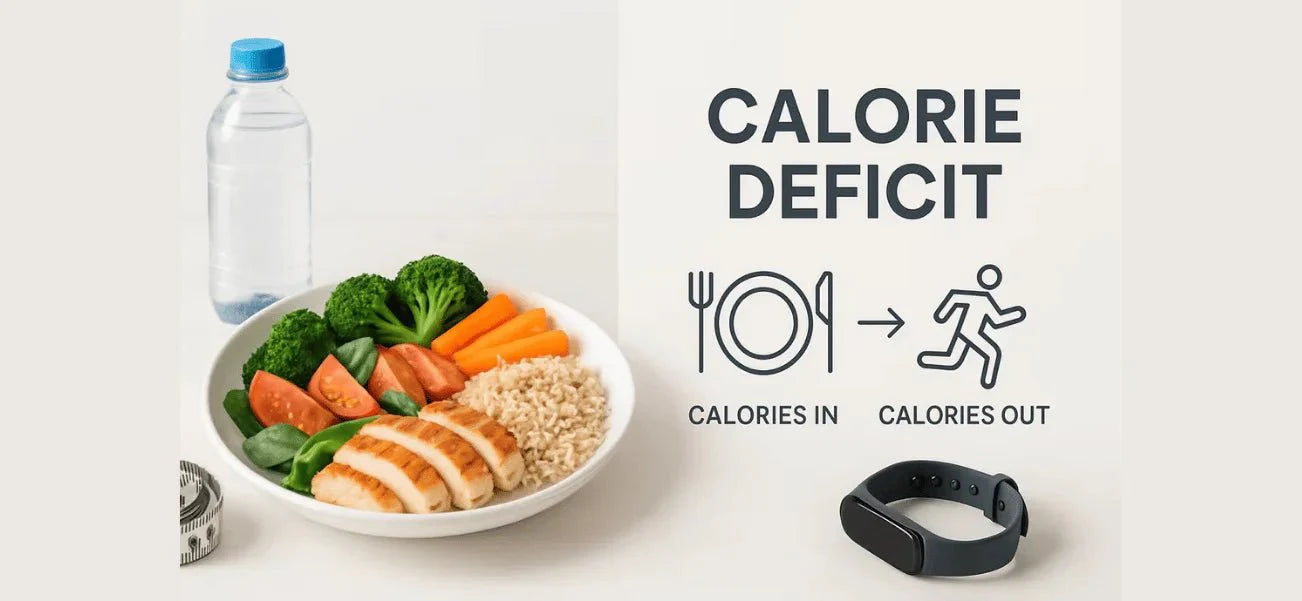
A calorie deficit occurs when you consume fewer calories than your body burns. It’s the fundamental principle behind weight loss. For example, if your body burns 2,000 calories daily and you consume 1,700, you’re in a 300-calorie deficit.
According to the National Institutes of Health (NIH), a sustained calorie deficit of 500–750 calories per day is typically effective for safe weight loss of 0.5–1 kg per week.
-
Pros: Scientifically proven for fat loss.
-
Cons: If poorly managed, it can lead to nutrient deficiencies, fatigue, or muscle loss.
What is Nutrient-Dense Eating?
Nutrient-dense foods provide high amounts of vitamins, minerals, fiber, antioxidants, and other beneficial compounds relative to their calorie content. Examples include leafy greens, beans, nuts, fish, and whole grains.
Harvard’s School of Public Health emphasizes that nutrient density, not calorie density, should be the priority for long-term health. Diets rich in nutrient-dense foods are linked with lower risks of obesity, diabetes, heart disease, and some cancers.
-
Pros: Supports long-term health, immunity, and energy.
-
Cons: Alone, it may not guarantee weight loss if calorie intake still exceeds expenditure.
Book a consultation to get a customized diet plan according to your body requirements.
Calorie Deficit vs. Nutrient-Dense Eating: Key Differences
|
Factor |
Calorie Deficit |
Nutrient-Dense Eating |
|
Primary Goal |
Weight loss and fat reduction |
Health, energy, and disease prevention |
|
Focus |
Quantity (reduce overall energy intake) |
Quality (maximize nutrients per calorie) |
|
Impact on Body |
Quick weight change, but may harm health if poorly balanced |
Improves energy, immunity, skin, and organ function |
|
Sustainability |
Hard to maintain long-term without focusing on quality foods |
Easy to sustain but may not reduce weight if portions are too large |
|
Risk |
Nutrient deficiencies, muscle loss, slow metabolism |
Possible weight gain if calorie intake exceeds needs |
|
Best Use |
Short-term weight loss tool |
Long-term wellness and disease prevention |
Why You Should Combine Both Approaches
Neither strategy alone is perfect. The most sustainable and effective plan involves balancing calorie deficit with nutrient density.
The Mayo Clinic recommends a balanced approach: eat nutrient-rich foods while staying mindful of calorie intake to achieve lasting weight loss and better health outcomes.
Practical Tips for Success
-
Start with nutrient-dense foods (vegetables, lean protein, whole grains, nuts, seeds).
-
Track portions and calories—even healthy foods can add up.
-
Choose protein and fiber-rich foods to feel full with fewer calories.
-
Limit empty calories (sugary drinks, fried snacks, refined carbs).
-
Exercise regularly to boost calorie burn and preserve lean muscle.
Real-Life Example
-
Person A only cuts calories but eats fast food daily. They may lose weight initially but risk low energy, poor skin, and nutrient deficiencies.
-
Person B maintains a moderate deficit while eating vegetables, lean meats, nuts, and whole grains. They not only lose weight but also improve overall wellness.
👉 Clearly, nutrient-dense eating within a calorie deficit leads to healthier, more sustainable results.
Conclusion
Calorie deficit is essential for weight loss, but nutrient-dense eating ensures your body thrives while losing weight. When combined, they create a powerful strategy for both physical transformation and lifelong health.
Final Takeaway: Don’t choose between eating less and eating better. Do both—eat fewer calories, but make every calorie count.
Frequently Asked Questions (FAQs)
1. Can I lose weight just by eating healthy, nutrient-dense foods?
Not always. While nutrient-dense foods improve health, weight loss only happens if you’re in a calorie deficit. If your total calories still exceed what your body burns, you won’t lose weight.
2. Is calorie counting necessary if I eat nutrient-dense foods?
Not strictly, but it helps. If you focus on whole, nutrient-dense foods and listen to hunger cues, you may naturally eat fewer calories. However, for weight-specific goals, tracking calories can provide better control.
3. What happens if I only focus on calorie deficit without caring about food quality?
You may lose weight, but at the cost of health. Relying on low-nutrient, processed foods can cause deficiencies, fatigue, muscle loss, and long-term risks like cardiovascular disease.
4. How can I balance calorie deficit with nutrient density?
-
Eat mostly whole, nutrient-dense foods.
-
Keep calories slightly below your daily needs.
-
Use portion control and avoid liquid calories.
-
Include lean proteins, fiber, and healthy fats to stay satisfied.
5. Which approach is better for long-term health?
Nutrient-dense eating is better for long-term wellness because it reduces disease risk and keeps energy levels high. However, when paired with a calorie deficit, it becomes the most effective way to lose weight and stay healthy.