



Science Backed Strategies for Sustainable Weight Loss
Introduction
Most people who try to lose weight struggle with the same cycle. They follow a strict diet, drop a few kilos, and then regain everything once life gets busy again. If this sounds familiar, you are not alone. Research shows that more than 80 percent of people regain the weight they lose because the strategies they follow are not sustainable.
This article simplifies the science of weight loss into strategies that actually work and last. Backed by research, these methods help you understand how your body works and guide you to build habits you can maintain for life.
What is Sustainable Weight Loss
Sustainable weight loss means losing weight at a safe and steady pace and then maintaining that lower weight without extreme dieting. The goal is progress that lasts, not quick results that fade.
Sustainable weight loss focuses on four foundations.
-
Nutrition
-
Movement
-
Metabolism
-
Behavior and mindset
Each of these influences the others, which is why real long-term results require a complete approach.
Book a consultation for Sustainable Weight Loss.
How Weight Loss Works According to Science
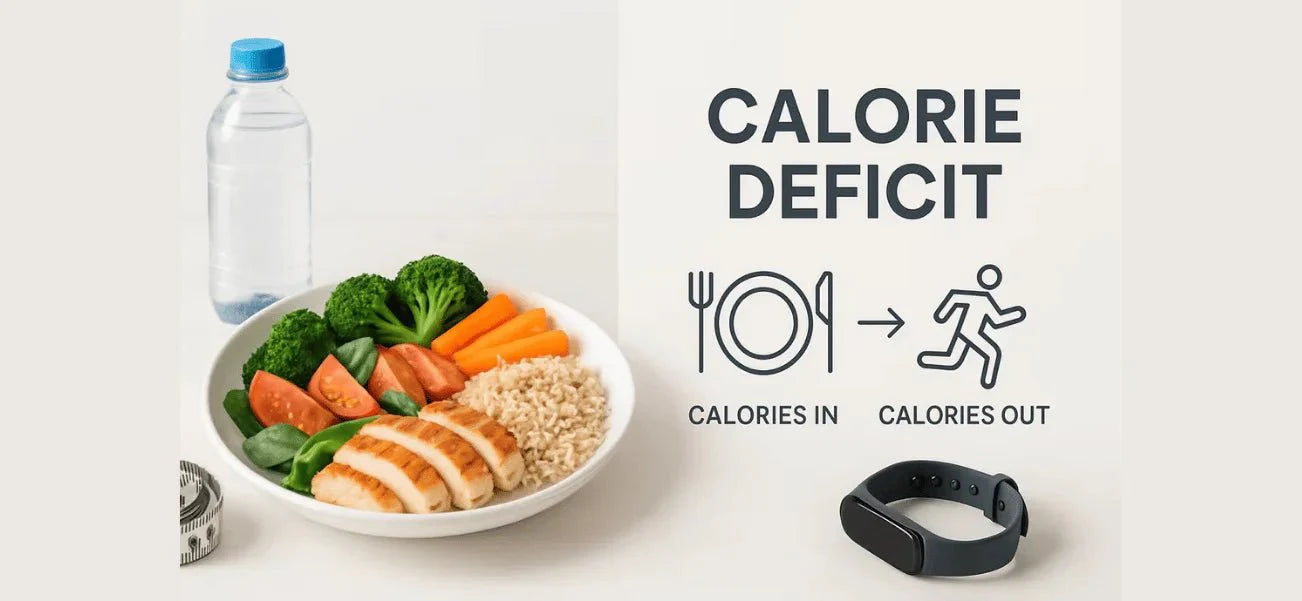
Your body needs energy to function. This energy comes from calories. To lose weight, you need to create a calorie deficit where your body burns more calories than you consume. However, the science is deeper than simply eating less.
Your metabolic rate, hormones, muscle mass, sleep, stress, food choices, and daily habits all influence how many calories you burn. When these elements are balanced, weight loss becomes natural and easier to maintain.
Science Backed Strategies for Sustainable Weight Loss
1. Build a Moderate Calorie Deficit Not an Extreme One
A severe calorie cut can slow your metabolism and increase cravings. A moderate reduction gives better long term results.
Guidelines supported by research:
-
Reduce your daily intake by 300 to 500 calories.
-
Aim to lose 0.5 to 1 kilogram per week.
-
Choose whole foods that keep you full.
This approach protects your metabolism and prevents muscle loss.
2. Prioritize High Protein Meals
Protein is the most important nutrient for sustainable weight loss. It increases satiety, stabilizes blood sugar, prevents muscle loss, and keeps your metabolism higher.
Recommended intake:
-
1.2 to 1.6 grams of protein per kilogram of body weight
-
Include a protein source in every meal
Examples:
-
Eggs
-
Greek yogurt
-
Chicken or fish
-
Lentils and chickpeas
-
Soy, tofu, or paneer
Higher protein keeps cravings under control and supports consistent fat loss.
3. Choose Smart Carbohydrates and Healthy Fats
Carbohydrates are not the enemy. Your body needs them for energy. The smart approach is to pick carbs that digest slowly and keep you full.
Best carbohydrate sources:
-
Oats
-
Quinoa
-
Brown rice
-
Whole grain roti
-
Fruits
-
Vegetables
Healthy fats improve hormone balance and help weight control.
Smart fat sources:
-
Olive oil
-
Avocados
-
Nuts
-
Chia and flax seeds
-
Salmon or tuna
Balanced meals control hunger and help you stay consistent.
4. Increase Your Daily Movement Level
Weight loss is not only about workouts. Your daily movement outside the gym has a bigger impact.
The scientific term for this is NEAT. It refers to all the calories you burn by walking, standing, cleaning, and moving throughout the day.
Simple ways to increase movement:
-
Take 7,000 to 10,000 steps daily
-
Use stairs instead of lifts
-
Stand during calls
-
Add short walk breaks during work
Small lifestyle movements create a big difference over weeks and months.
5. Strength Training for a Faster Metabolism
Strength training is the most powerful exercise for fat loss because muscle tissue burns more calories even at rest.
Benefits:
-
Raises your metabolic rate
-
Reduces belly fat
-
Improves insulin sensitivity
-
Shapes your body
Aim for:
-
Two to three strength sessions weekly
-
Focus on full body exercises like squats, lunges, rows, and pushups
Stronger muscles equal faster fat burning.
6. Optimize Sleep Quality
Poor sleep increases hunger hormones and reduces your self control. Research shows that sleeping less than six hours increases cravings for high calorie foods.
Tips for better sleep:
-
Maintain a consistent sleep schedule
-
Avoid screens one hour before bed
-
Reduce caffeine in the afternoon
-
Keep your room cool and dark
Better sleep makes weight loss easier.
7. Manage Stress Effectively
Chronic stress increases cortisol which leads to belly fat accumulation and emotional eating.
Simple stress management habits:
-
Deep breathing
-
Daily walks
-
Journaling
-
Meditation
-
Talking to a friend
-
Scheduling breaks
When stress is under control, self discipline improves.
8. Track Your Progress in a Healthy Way
Tracking is not about obsessing. It is about awareness and consistency.
Track the following:
-
Food portions
-
Steps
-
Water intake
-
Sleep hours
-
Weekly weight
-
Body measurements
Watching your progress helps you adjust your strategy and stay motivated.
9. Create a Simple and Sustainable Eating Routine
Complicated diets fail because they are hard to follow long term. Sustainable weight loss needs structure, not restriction.
Follow these principles:
-
Eat three balanced meals and one snack
-
Make half your plate vegetables
-
Plan your meals in advance
-
Keep healthy snacks available
-
Avoid eating while distracted
Consistency matters more than perfection.
10. Build a Support System
Research shows that people lose more weight when they have support. This may be:
-
A dietitian
-
A fitness coach
-
A supportive friend
-
A weight loss group
-
An accountability partner
Having someone with you keeps you on track during challenges.
Conclusion
Sustainable weight loss is not about extreme dieting. It is the result of small daily habits that support your metabolism, control your hunger, and create long term discipline. By following the science backed strategies above, you can lose weight at a steady pace and maintain it for life. Progress starts with one change. Begin today and stay consistent.
FAQs
1. What is the most effective weight loss strategy according to science
The most effective strategy combines a moderate calorie deficit, high protein intake, daily movement, and strength training. When these work together, weight loss becomes steady and maintainable.
2. How many calories should I eat to lose weight sustainably
Most people need a reduction of 300 to 500 calories per day below their maintenance requirement. This supports a safe rate of 0.5 to 1 kilogram per week.
3. Is exercise required for sustainable weight loss
Exercise is not required but strongly recommended. Daily movement and strength training increase your calorie burn, preserve muscle, and make weight loss easier.
4. Why do people regain weight after losing it
Weight regain happens when diets are too restrictive, metabolism slows, and old habits return. Sustainable methods focus on long term habits rather than short term restrictions.
5. Can I lose weight without giving up carbs
Yes. Choose slow digesting carbohydrates like fruits, oats, whole grains, and vegetables. These support energy and fat loss without spikes in hunger.
6. How long does sustainable weight loss take
Healthy and sustainable weight loss takes several months. Expect steady progress of 0.5 to 1 kilogram per week and focus on long term consistency.