



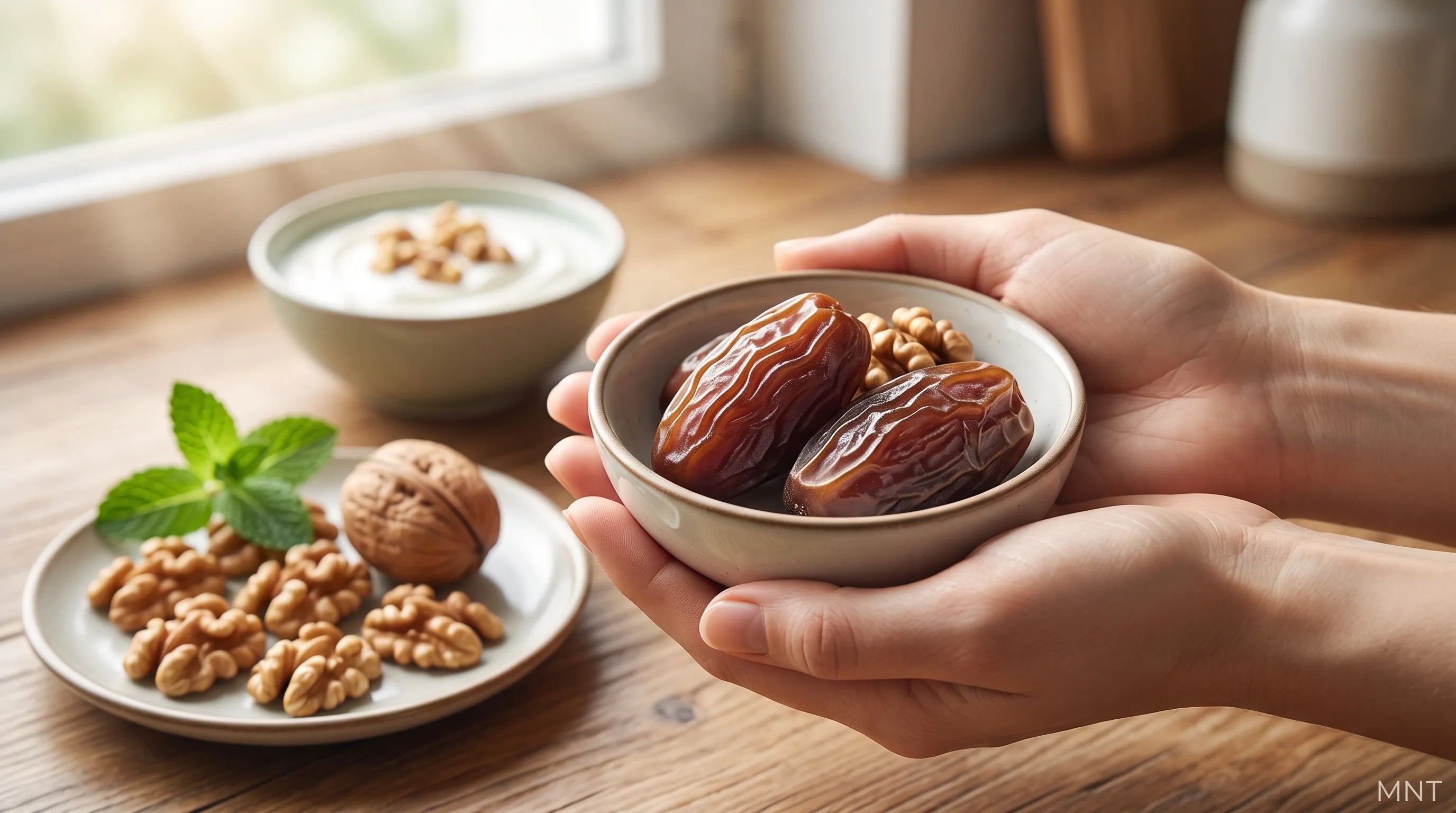
Can Diabetic Patients Eat Dates? Benefits, Blood Sugar Effects, Safe Amount & Expert Guide
Discover whether people with diabetes can safely eat dates, how they affect blood sugar, safe portion sizes, and the best food combinations to prevent glucose spikes.
Can Diabetic Patients Eat Dates?
Yes, many diabetic patients can eat dates in moderation. Diabetes does not mean that all sweet foods must be completely avoided. However, dates contain natural sugars and carbohydrates, so portion control is important.
Dates are different from refined sweets because they are a whole fruit that also provides:
- Dietary fiber
- Potassium
- Magnesium
- Antioxidants
- Plant compounds
The safest approach is not to completely avoid dates, but to understand:
- How many dates you eat
- Your blood sugar control
- Your diabetes type
- Your medication or insulin use
- Your overall carbohydrate intake
For many people with well-managed diabetes, 1–2 small dates at a time may fit into a balanced diabetes meal plan, especially when combined with protein or healthy fats.
However, dates are not a "free food." Eating large amounts can still increase blood glucose because they contain carbohydrates.
Are Dates Safe for People With Diabetes?
The simple answer is yes, but with limits.
A common belief is:
"Because dates taste sweet, people with diabetes should never eat them."
This idea is incomplete.
Diabetes nutrition is not only about avoiding sweet foods. It is about understanding:
- The amount of carbohydrate in a food
- How quickly it affects blood glucose
- How it fits into your total daily diet
Dates are naturally sweet because they contain concentrated natural sugars. But unlike candy, soft drinks, and table sugar, whole dates contain fiber and nutrients that affect digestion differently.
A person eating:
One or two dates with nuts
has a very different blood sugar response compared with someone eating:
A bowl of dates alone.
The total amount matters more than simply asking whether a food is "sweet" or "not sweet."
How Do Dates Affect Blood Sugar?
Dates can increase blood sugar because they contain carbohydrates.
When you eat dates:
- The carbohydrates are broken down into glucose.
- Glucose enters the bloodstream.
- The body uses insulin to move glucose into cells.
The rise in blood sugar depends on several factors.
1. Portion Size
This is the most important factor.
A small portion of dates provides a smaller carbohydrate load.
A large amount provides:
- More sugar
- More calories
- More carbohydrates
which can make blood glucose management more difficult.
For example:
1–2 dates → smaller carbohydrate intake
10 dates → much higher carbohydrate intake
Even healthy foods can affect blood sugar when eaten in large quantities.
2. Type and Size of Dates
Not all dates are the same.
Different varieties have different:
- Size
- Moisture content
- Sugar concentration
- Glycemic response
Common varieties include:
- Medjool dates
- Ajwa dates
- Deglet Noor dates
- Khalas dates
- Barhi dates
Large varieties like Medjool usually contain more carbohydrates per piece compared with smaller dates, meaning portion size becomes even more important.
3. What You Eat With Dates
Eating dates alone may produce a faster glucose rise compared with eating them with foods containing:
- Protein
- Healthy fats
- Fiber
Better combinations include:
Dates + Almonds
Benefits:
- Adds healthy fats
- Adds protein
- Slows digestion
Dates + Walnuts
Benefits:
- Improves satiety
- Creates a more balanced snack
Dates + Plain Greek Yogurt
Benefits:
- Adds protein
- Reduces the carbohydrate impact of the snack
Are Dates High in Sugar?
Yes, dates are naturally high in sugar compared with many other fruits.
However, the type of carbohydrate food matters.
Dates contain:
- Glucose
- Fructose
- Fiber
- Minerals
- Plant compounds
The presence of fiber makes whole dates different from refined sugar products.
A simple comparison:
| Food | Sugar | Fiber | Nutritional Value |
|---|---|---|---|
| Whole dates | Yes | Yes | Contains minerals and antioxidants |
| White sugar | Yes | No | Mainly calories |
| Candy | Yes | Very little | Low nutritional value |
| Soft drinks | Yes | No | Rapid sugar absorption |
This does not mean dates cannot raise blood sugar. They can.
It means that whole dates are nutritionally different from foods made only from refined sugar.
What Does Science Say About Dates and Diabetes?
Research does not show that dates must be completely avoided by people with diabetes.
Studies examining dates and blood glucose suggest that many date varieties have a low-to-moderate glycemic index, although values differ depending on variety and preparation. A 2023 review reported glycemic index ranges for different dates and concluded that available studies generally did not show worsening of glycemic control in people with type 2 diabetes, while also noting that larger and longer studies are still needed.
A systematic review and meta-analysis also found that dates did not appear to negatively affect glycemic control in people with diabetes, but researchers highlighted limitations such as small study numbers and differences between studies.
The important message:
Dates may fit into a diabetes-friendly eating pattern, but portion size remains critical.
How Many Dates Can a Diabetic Patient Eat Per Day?
There is no fixed number of dates that works for every person with diabetes. The right amount depends on:
- Blood sugar control
- Type of diabetes
- Medication or insulin use
- Daily carbohydrate needs
- Physical activity level
- Overall diet pattern
For many people with well-controlled diabetes, a small serving such as 1–2 dates at a time may fit into a balanced meal plan.
However, someone with:
- Poorly controlled blood sugar
- Frequent glucose spikes
- A strict low-carbohydrate diet
- Difficulty managing carbohydrate portions
may need a smaller amount or personalized guidance from a healthcare professional.
The important point is:
Dates should replace another carbohydrate source, not simply be added on top of your normal diet.
For example:
Better approach:
✅ 1–2 dates + nuts as a snack
Less suitable approach:
❌ Eating several dates after a high-carbohydrate meal
Can Type 2 Diabetic Patients Eat Dates?
Yes, many people with type 2 diabetes can include dates in their diet when consumed in controlled portions.
Type 2 diabetes is often associated with insulin resistance, meaning the body does not use insulin effectively. Since dates contain carbohydrates, eating large quantities may increase blood glucose levels.
However, current research does not show that moderate date consumption necessarily worsens blood sugar control in people with type 2 diabetes. Studies have found that several date varieties have low-to-moderate glycemic responses, although researchers emphasize that more long-term studies are needed.
People with type 2 diabetes should focus on:
- Portion control
- Balanced meals
- Regular physical activity
- Blood glucose monitoring
- Following their diabetes management plan
Dates should be considered a nutritious carbohydrate source, not a diabetes treatment.
Can Type 1 Diabetic Patients Eat Dates?
Yes, people with type 1 diabetes may eat dates, but carbohydrate counting becomes especially important.
Because type 1 diabetes requires insulin management, carbohydrates from dates need to be considered when planning:
- Meals
- Snacks
- Insulin doses
The response to dates may vary depending on:
- Insulin sensitivity
- Activity level
- Current glucose levels
- Total carbohydrate intake
A person using insulin should understand how dates fit into their individual carbohydrate plan.
Can People With Prediabetes Eat Dates?
Yes, people with prediabetes may include small portions of dates in a healthy diet.
Prediabetes management focuses on:
- Improving insulin sensitivity
- Maintaining a healthy weight
- Increasing physical activity
- Choosing balanced meals
Avoiding every sweet food is usually unnecessary. The goal is controlling total carbohydrate intake and preventing excessive blood sugar rises.
A small portion of dates may fit into a prediabetes-friendly eating pattern when combined with:
- Protein
- Healthy fats
- High-fiber foods
However, eating large amounts of dates regularly may make blood sugar management more difficult.
Are Ajwa Dates Good for Diabetes?
Ajwa dates are popular because of their cultural importance and their reputation for health benefits.
They contain:
- Fiber
- Minerals
- Antioxidant compounds
- Plant nutrients
However, Ajwa dates are still a carbohydrate-containing food.
A common misconception is:
"Ajwa dates can lower blood sugar or cure diabetes."
There is currently no strong evidence that Ajwa dates can replace:
- Diabetes medication
- Insulin therapy
- Medical treatment
- Lifestyle changes
Ajwa dates can be included as part of a balanced diet, but they should not be considered a diabetes medicine.
Are Medjool Dates Safe for Diabetics?
Medjool dates can be eaten by many people with diabetes, but portion size is especially important.
Medjool dates are:
- Larger than many other varieties
- Softer
- Naturally sweeter
- Higher in calories and carbohydrates per piece
Because of their size, eating several Medjool dates can quickly increase carbohydrate intake.
A better approach:
✅ Eat a controlled portion
✅ Count them as part of your carbohydrate intake
✅ Monitor your blood sugar response
Avoid thinking:
"Medjool dates are natural, so I can eat unlimited amounts."
Natural sugar can still raise blood glucose.
Can Diabetics Eat Dates During Ramadan?
Dates have special cultural and religious importance during Ramadan, and many people with diabetes ask whether they can eat dates at Iftar.
The answer depends on:
- Diabetes control
- Medication plan
- Insulin use
- Portion size
For some people with diabetes, 1–2 dates at Iftar may fit into their eating plan, especially when combined with a balanced meal.
A better Ramadan approach:
✅ 1–2 dates
✅ Water
✅ Balanced meal containing protein and vegetables
Avoid combining large amounts of dates with:
- Sweet drinks
- Desserts
- Large portions of refined carbohydrates
Research examining date varieties during Ramadan has found generally low glycemic responses, but individual glucose responses still vary.
People using insulin or medications that may cause low blood sugar should discuss Ramadan meal planning with their healthcare provider.
Are Dates Better Than Sugar for Diabetes?
Whole dates are usually a more nutritious option than refined white sugar, but they are not sugar-free.
The difference:
| Dates | White Sugar |
|---|---|
| Whole fruit | Refined ingredient |
| Contains fiber | No fiber |
| Contains minerals | Very few nutrients |
| Contains antioxidants | Mainly calories |
| Digested more slowly | Rapid absorption |
Replacing white sugar with dates can improve the nutritional quality of a food.
However:
A dessert made with large amounts of dates can still be high in carbohydrates and calories.
For example:
A small amount of chopped dates added to yogurt is different from a large date-based dessert.
The total carbohydrate amount matters most.
What Is the Glycemic Index of Dates?
The glycemic index (GI) measures how quickly a carbohydrate-containing food raises blood glucose compared with pure glucose.
Dates are often considered low-to-moderate GI foods, but the exact value depends on:
- Date variety
- Ripeness
- Processing
- Portion size
Research has found different date varieties with varying GI values. Some studies reported low GI values for several common varieties, while reviews have shown that GI can vary considerably between types.
Examples:
- Khalas dates
- Ajwa dates
- Medjool dates
- Deglet Noor dates
may not produce exactly the same glucose response.
Important:
Low GI does not mean unlimited eating.
A low-GI food can still raise blood sugar if eaten in large quantities.
Best Ways to Eat Dates If You Have Diabetes
If you want to include dates in your diabetes diet, these strategies may help.
1. Control Your Portion
Avoid eating dates directly from a large container.
Instead:
- Decide your portion first
- Count dates as part of your carbohydrate intake
2. Combine Dates With Protein or Healthy Fat
Good combinations:
Dates + Almonds
Provides:
- Healthy fats
- Protein
- Better satiety
Dates + Walnuts
Provides:
- Healthy fats
- Nutritional balance
Dates + Unsweetened Greek Yogurt
Provides:
- Protein
- Slower digestion
- More balanced snack
3. Avoid Concentrated Date Products
Be careful with:
- Date syrup
- Date sweets
- Sweetened date drinks
- Large date desserts
These products can contain concentrated carbohydrates and may raise blood glucose more quickly.
4. Monitor Your Blood Sugar Response
Every person responds differently.
If you are trying dates for the first time:
- Check your glucose before eating
- Check again after eating if recommended
- Observe your personal response
Your own glucose pattern provides useful information.
Best Time to Eat Dates for Diabetes
There is no single "best time" to eat dates for every person with diabetes.
The ideal timing depends on:
- Your blood sugar levels
- Your activity level
- Your meal pattern
- Your medication or insulin schedule
However, many people may find it easier to manage blood sugar when dates are eaten as part of a balanced meal rather than eaten alone.
Eating Dates With a Balanced Meal
For many people with diabetes, combining dates with other foods may help reduce a rapid rise in blood glucose.
Instead of:
❌ Eating several dates alone as a snack
A better option:
✅ Eating 1–2 dates with foods containing:
- Protein
- Healthy fats
- Fiber
Examples:
- Dates with almonds
- Dates with walnuts
- Dates with plain yogurt
- Dates after a balanced meal
The goal is not to avoid carbohydrates completely but to manage how they fit into your overall diet.
Eating Dates in the Morning
Some people prefer eating dates in the morning because:
- They provide quick energy
- They can replace less nutritious sweet snacks
- Portion control may be easier earlier in the day
However, morning consumption does not automatically make dates safer for diabetes.
The total amount of carbohydrates and your individual blood sugar response matter more than the clock time.
Eating Dates Before Exercise
Dates can provide easily available carbohydrates, which may be useful for some active people.
For example:
A person going for:
- A long walk
- Exercise training
- Physical activity
may use a small amount of dates as an energy source.
However, people taking insulin should consider their carbohydrate intake carefully and follow their healthcare provider's guidance.
Do Dates Lower Blood Sugar?
No.
Dates do not lower blood sugar and they do not cure diabetes.
This is an important misconception.
Although dates contain:
- Fiber
- Antioxidants
- Minerals
- Plant compounds
they still contain natural carbohydrates that can increase blood glucose.
Dates may support a healthy eating pattern, but they cannot replace:
- Diabetes medication
- Insulin therapy
- Exercise
- Medical care
A diabetes-friendly diet is about managing blood sugar, not searching for one food that "fixes" diabetes.
Who Should Be More Careful With Eating Dates?
Although many people with diabetes can include dates in moderation, some individuals need extra caution.
1. People With Poorly Controlled Blood Sugar
If your:
- Fasting glucose is frequently high
- HbA1c is above your target range
- Blood sugar is difficult to manage
large portions of dates may make control more challenging.
2. People Who Experience Blood Sugar Spikes
Some people notice significant glucose increases after eating sweet foods.
If this happens:
- Reduce portion size
- Eat dates with protein or healthy fats
- Monitor your glucose response
3. People Trying to Lose Weight
Dates are nutritious but calorie-dense.
Eating large amounts may add:
- Extra calories
- Extra carbohydrates
which may affect weight management goals.
4. People With Diabetes Complications
People with diabetes who also have conditions such as:
- Kidney disease
- Heart-related complications
- Other metabolic issues
may require personalized dietary advice.
Common Mistakes Diabetic Patients Make With Dates
Mistake 1: Thinking "Natural" Means Unlimited
A common misunderstanding is:
"Dates are natural, so I can eat as many as I want."
This is incorrect.
Natural foods can still contain carbohydrates and calories.
The body responds to carbohydrates whether they come from:
- Dates
- Fruit
- Honey
- Sugar
The amount matters.
Mistake 2: Eating Large Portions Because Dates Are Healthy
Dates contain beneficial nutrients, but eating too many can increase:
- Blood sugar
- Calories
- Total carbohydrate intake
The difference between:
✅ 1–2 dates
and
❌ A bowl of dates
can be significant for diabetes management.
Mistake 3: Combining Dates With Other Sugary Foods
A common problem is combining dates with:
- Sweet tea
- Desserts
- Sweet drinks
- Large amounts of refined carbohydrates
This creates a much higher carbohydrate load.
A better approach is combining dates with balanced foods.
Mistake 4: Using Dates as a Diabetes Treatment
Dates contain nutrients, but they are not a medicine.
They cannot replace:
- Prescribed medications
- Insulin when needed
- Physical activity
- A structured diabetes management plan
Practical Checklist Before Adding Dates to Your Diabetes Diet
Before including dates regularly, consider:
1. Check Your Blood Sugar Control
Ask:
- Is my blood glucose reasonably controlled?
- Do sweet foods cause large spikes?
2. Start With a Small Portion
If you rarely eat dates:
Start with:
- One date
- Observe your response
Avoid suddenly adding large amounts.
3. Count Dates as Carbohydrates
Remember:
Dates are nutritious, but they still contribute carbohydrates.
Include them within your daily eating plan.
4. Balance Your Plate
Combine carbohydrate foods with:
- Protein
- Healthy fats
- Vegetables
- High-fiber foods
Final Verdict: Can Diabetic Patients Eat Dates?
Yes, diabetic patients can often eat dates, but moderation and portion control are essential.
Dates are not a forbidden food for diabetes.
They provide:
- Fiber
- Minerals
- Antioxidants
- Natural energy
But they also contain:
- Natural sugars
- Carbohydrates
- Calories
The healthiest approach is:
- ✅ Choose whole dates instead of processed sweets
- ✅ Eat a controlled portion
- ✅ Pair dates with protein or healthy fats
- ✅ Monitor your blood sugar response
- ✅ Include them as part of your overall diabetes meal plan
A diabetes-friendly diet is not about eliminating every sweet food. It is about making informed choices and understanding how different foods affect your body.
Need Personalized Diabetes Nutrition Support?
Managing blood sugar with Pakistani foods does not mean giving up everything you enjoy. Work one-on-one with a qualified MNT Clinical Dietitian to build a customized, evidence-based nutrition plan tailored to your medical history, routine, and medications.
Book a Diabetes Nutrition ConsultationFrequently Asked Questions (FAQ)
Can diabetic patients eat dates?
Yes. Many diabetic patients can eat dates in moderation. The key is controlling portion size because dates contain natural sugars and carbohydrates.
How many dates can a diabetic eat in a day?
There is no universal number for everyone. Many people may tolerate 1–2 small dates, but the appropriate amount depends on blood sugar control, medications, activity level, and total carbohydrate intake.
Do dates increase blood sugar?
Yes, dates can increase blood sugar because they contain carbohydrates. However, their fiber content may slow digestion compared with refined sugary foods.
Are dates better than sugar for diabetics?
Whole dates are generally more nutritious than white sugar because they contain fiber, minerals, and antioxidants. However, they still contain carbohydrates and should be eaten in moderation.
Can type 2 diabetics eat dates?
Yes, many people with type 2 diabetes can include dates in controlled portions as part of a balanced eating pattern.
Can type 1 diabetics eat dates?
Yes, but carbohydrate counting is important because insulin doses may need to account for carbohydrate intake.
Can people with prediabetes eat dates?
Yes, small portions may fit into a healthy diet. However, total carbohydrate intake and blood sugar control should be considered.
Are Ajwa dates safe for diabetes?
Ajwa dates can be eaten in moderation, but they are not a treatment for diabetes and should not replace medical care.
Are Medjool dates safe for diabetics?
Yes, but Medjool dates are larger and usually contain more carbohydrates per piece, so portion control is especially important.
Can diabetics eat dates during Ramadan?
Some people with diabetes may include a small number of dates during Ramadan, depending on their glucose control, medication plan, and doctor's advice.
Do dates cure diabetes?
No. Dates do not cure diabetes or lower blood sugar. They can only be part of a balanced eating pattern.
We rely on peer-reviewed studies and reputable medical journals.