


Sugar Cravings: Why They Happen and How to Control Them
Sugar cravings are predictable biological signals driven by blood sugar drops, dopamine reward circuits, and appetite hormones. Discover a science-backed 15-minute reset protocol and evidence-based nutritional strategies to stop cravings and regain steady metabolic control.
- Why They Happen: Sugar cravings are biological signals driven by rapid blood sugar drops (reactive hypoglycemia), dopamine-mediated reward circuits in the brain, elevated cortisol and Neuropeptide Y (NPY), sleep debt elevating 2-AG endocannabinoids, and gut neuropod vagal signaling. They are not a failure of willpower.
- How to Stop Cravings Fast (15-Min Reset): Rule out thirst with 16 oz of water, eat a 15–20g protein/healthy fat bridge (Greek yogurt or eggs) to trigger satiety hormones (CCK/PYY), reset oral taste cues with a sour or minty flavor, and wait 15 minutes for the urge wave to pass.
- How to Prevent Them Long-Term: Anchor main meals with the Satiety Formula (25–30g protein, 8–10g fiber, 10–15g healthy fat), practice carbohydrate sequencing (eat vegetables and protein before carbs), and maintain 7–9 hours of sleep to stabilize leptin and ghrelin.
Immediate Triage: The 15-Minute Craving Reset Protocol
When a sudden sugar craving strikes, your brain is seeking quick glucose or a fast surge of dopamine. Use this structured four-step protocol to manage the physiological urge in the moment:
Drink 16 oz of water to rule out liver thirst
Eat 15–20g protein/fat (Greek yogurt, almonds)
Brush teeth, mint rinse, or sour lemon water
Step away and wait 15 minutes for dopamine dip
1. Drink 16 Ounces of Water
Mild dehydration frequently mimics hunger and sweet cravings. The liver requires water to release stored glycogen for energy; when fluid intake is low, cellular energy delivery slows, triggering false signals for quick sugar. Drink a tall glass of water and wait 10 minutes.
2. Eat a Protein and Healthy-Fat Bridge
Never try to fight a severe biological craving on an empty stomach. Consuming 15 to 20 grams of protein or a serving of healthy fat stimulates the rapid release of satiety peptides in the gut, including cholecystokinin (CCK) and peptide YY (PYY). These hormones signal your brain’s hypothalamus that fuel has arrived.
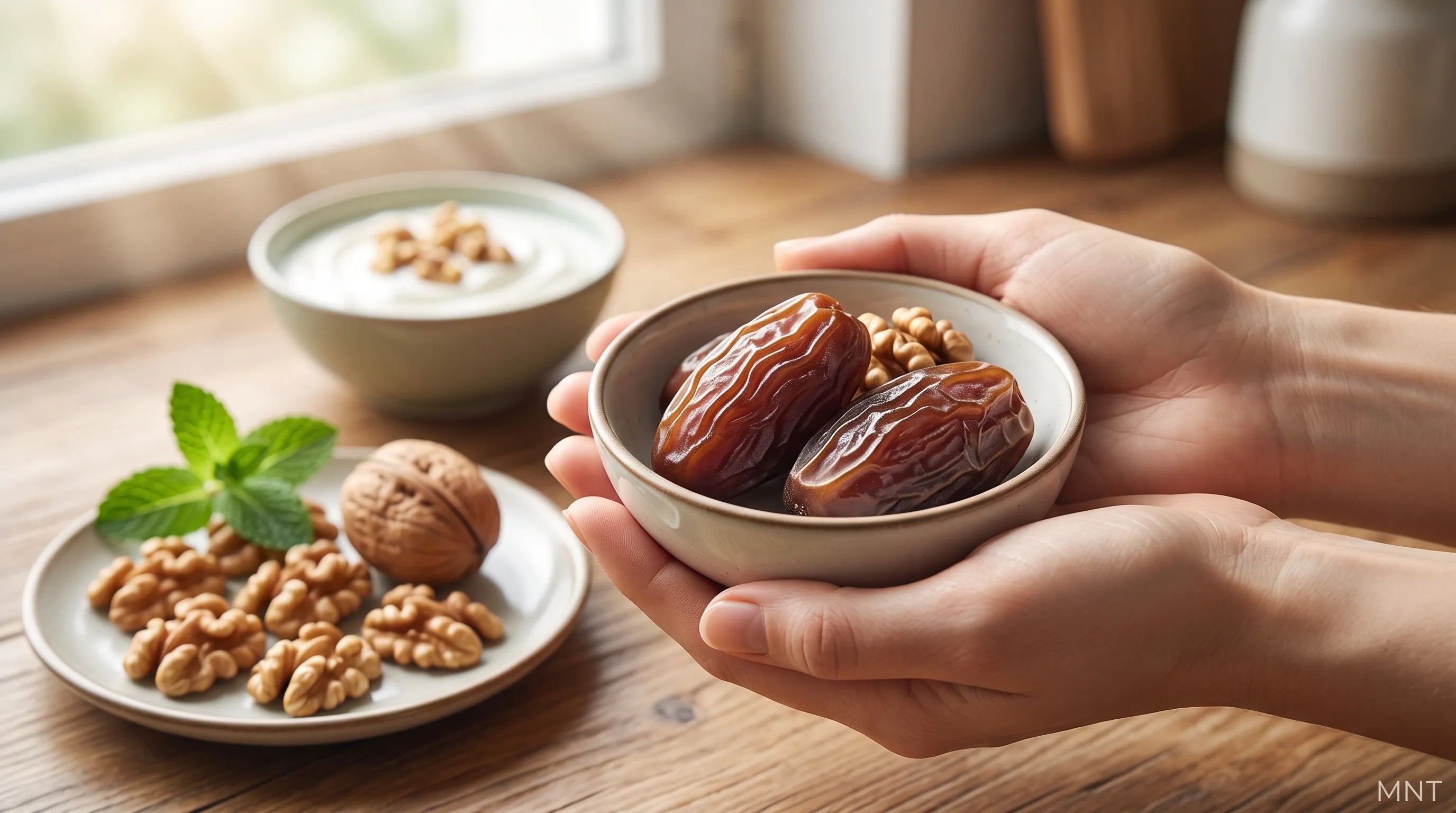
- Quick options: 1 cup of plain Greek yogurt, 2 hard-boiled eggs, 1 tablespoon of unsweetened almond butter with celery, or a small handful of walnuts.
3. Apply a Sensory Reset
Sweet cravings rely heavily on oral and sensory cues. Introducing a strong, contrasting sensory input interrupts the neurological feedback loop between your taste buds and the reward center of your brain.
- Action: Brush your teeth with peppermint toothpaste, rinse with mouthwash, sip unsweetened peppermint tea, or drink sparkling water with fresh lemon juice.
4. Practice 15-Minute "Urge Surfing"
Neurological craving spikes operate in waves that typically peak within 10 to 15 minutes before naturally subsiding. If you change your environment and engage in a low-stress activity (a 10-minute walk, light stretching, or a household chore), dopamine levels stabilize. If genuine hunger remains after 15 minutes, consume a balanced meal rather than isolated refined sugar.
Physical Hunger vs. Sugar Craving: How to Tell the Difference
Understanding whether your urge is driven by a true caloric deficit (homeostatic hunger) or a brain-reward cue (hedonic hunger) determines the right response.
| Feature | True Physical Hunger (Homeostatic) | Sugar Craving (Hedonic Urge) |
|---|---|---|
| Onset | Develops gradually over several hours. | Appears suddenly and feels intensely urgent. |
| Food Specificity | Open to diverse, whole foods (eggs, vegetables, meat). | Demands a specific sweet food (chocolate, pastries, candy). |
| Physical Sensation | Felt in the stomach (growling, emptiness, mild fatigue). | Felt in the mouth, tongue, and mental reward thoughts. |
| Meal Timing | Occurs 3 to 5 hours after your previous meal. | Can strike immediately after finishing a full, heavy meal. |
| Post-Eating Feeling | Results in fullness, steady energy, and satisfaction. | Results in energy crashes, guilt, and renewed cravings shortly after. |
The Biology of Sugar Cravings: Why Your Body Demands Quick Glucose
Sugar cravings are physiological responses governed by neurochemistry, endocrine signaling, circadian biology, and gut sensory networks.
1. The Dopaminergic Reward Circuit & Hedonic Hunger
When simple sugars touch the tongue's sweet receptors, neural pathways activate the brain’s mesolimbic dopamine system. Dopamine releases in the nucleus accumbens, creating a strong sensation of pleasure and reinforcement.
From an evolutionary standpoint, sweet tastes signaled non-toxic, energy-dense calories essential for survival. In modern food environments, frequent consumption of ultra-processed, high-sugar foods desensitizes dopamine D2 receptors. Over time, the brain requires larger or more frequent sweet exposures to achieve the same baseline satisfaction.
2. Blood Sugar Crashes & Reactive Hypoglycemia
Eating refined carbohydrates (such as white flour, baked sweets, or sugary beverages) without adequate fiber, protein, or fat causes a sharp spike in blood glucose. In response, the beta cells of the pancreas secrete large amounts of insulin to clear glucose into muscle and adipose tissues.
This insulin surge often clears glucose too aggressively, causing blood sugar levels to plunge below baseline within 1 to 2 hours—a phenomenon known as reactive hypoglycemia. When circulating glucose drops rapidly, the brain perceives an acute energy deficit and releases stress hormones (adrenaline and cortisol) that prompt an urgent demand for fast-acting simple carbohydrates.
3. Chronic Stress, Cortisol, and Neuropeptide Y (NPY)
Under prolonged psychological or physical stress, the adrenal glands maintain elevated levels of cortisol. Cortisol activates the release of Neuropeptide Y (NPY) in the hypothalamus. NPY is a potent orexigenic neurochemical that directly stimulates an appetite for calorie-dense carbohydrates.
Additionally, carbohydrate consumption facilitates the uptake of the amino acid tryptophan across the blood-brain barrier, which the brain converts into serotonin (a neurotransmitter that regulates mood and anxiety). When stressed, your brain drives you toward sugar as a biochemical coping mechanism to elevate serotonin.
4. Sleep Deprivation & Endocannabinoid Elevation
Sleeping fewer than 7 hours per night alters key appetite-regulating hormones:
- Ghrelin (Hunger Hormone): Increases significantly, amplifying daytime appetite.
- Leptin (Fullness Hormone): Decreases, impairing the brain’s ability to recognize satiety.
- 2-Arachidonoylglycerol (2-AG): Sleep deprivation elevates circulating levels of 2-AG, an endocannabinoid lipid that enhances the hedonic reward derived from sweet and high-fat foods.
- Prefrontal Cortex Downregulation: Sleep debt reduces functional activity in the prefrontal cortex, impairing impulse control and executive decision-making when resisting sweet snacks.
5. The Gut-Brain Axis & Neuropod Signaling
The lining of the small intestine contains specialized sensory epithelial cells called neuropod cells. These cells detect the physical presence of glucose molecules in the gut lumen and transmit electrical impulses directly to the nodose ganglion via the vagus nerve within milliseconds. This gut-mediated reward signal operates independently of oral taste receptors, driving subconscious cravings for carbohydrates even when sweetness is not tasted in the mouth.
Evidence-Based Nutritional Protocols to Eliminate Cravings
Preventing sugar cravings requires flattening postprandial glucose curves and promoting sustained satiety hormone secretion.
1. Build Meals Around the Satiety Anchor
Every primary meal should be anchored by three macronutrient components:
- High-Quality Protein (25–30g): Eggs, poultry, fish, tofu, Greek yogurt, or lentils. Protein stimulates satiety peptides (GLP-1 and PYY) while suppressing ghrelin for 3 to 5 hours.
- Viscous Dietary Fiber (8–10g): Non-starchy vegetables, chia seeds, ground flaxseeds, broccoli, and legumes. Soluble fiber forms a gel matrix in the digestive tract that slows enzymatic carbohydrate breakdown and blunts glucose absorption.
- Healthy Dietary Fats (10–15g): Extra virgin olive oil, avocado, walnuts, or pumpkin seeds. Fats slow gastric emptying, preventing sharp postprandial blood sugar drops.
2. Practice Carbohydrate Sequencing (Food Order)
The chronological sequence in which foods are consumed during a meal directly influences post-meal glucose and insulin dynamics. Clinical feeding trials show that consuming fiber and vegetables first, protein and fats second, and starches or carbohydrates last reduces postprandial glucose peaks by 30% to 40% and lowers overall insulin secretion compared to eating the same foods in reverse order.
3. Eliminate Liquid Sugars
Beverages containing simple sugars (sodas, sweetened coffees, energy drinks, and fruit juices) enter the duodenum rapidly because they require no mechanical mastication or prolonged gastric churning. They bypass gastric stretch receptors, fail to stimulate satiety hormones, and produce immediate glucose spikes followed by reactive crashes. Replace them with water, mineral water with citrus slices, or unsweetened herbal infusions.
4. Use Whole-Food Sweetness Substitutions
When transitioning away from refined sugar, choose whole-food combinations that provide natural sweetness alongside fiber, water, and micronutrients:
- Berries with Plain Greek Yogurt: Delivers natural fructose bound to fruit pectin, combined with 15+ grams of slow-digesting casein and whey protein.
- Apple Slices with Almond Butter: Combines soluble fiber (pectin) with monounsaturated fats to prevent glycemic spikes.
- 85%+ Dark Chocolate (1–2 squares): Rich in cocoa polyphenols and flavanols with only 3 to 5 grams of total sugar per serving.
Supplements and Nutritional Deficiencies: What the Science Shows
Online wellness advice often claims that sweet cravings stem from vitamin and mineral deficiencies. Below is what clinical evidence demonstrates:
| Supplement / Nutrient | Common Claim | Scientific Reality & Clinical Evidence |
|---|---|---|
| Magnesium | Cravings for chocolate mean your body is deficient in magnesium. | Mostly Myth. While dark chocolate contains magnesium (~64 mg/oz), pumpkin seeds, spinach, and black beans have far higher magnesium density but rarely satisfy a chocolate craving. Chocolate cravings are primarily driven by the sensory combination of sugar, fat, and cocoa aromas stimulating dopamine and endorphins. |
| Chromium Picolinate | Erases sugar cravings by balancing insulin action. | Qualified Reality. Chromium acts as a cofactor for chromodulin, enhancing insulin receptor sensitivity. While correcting a clinical deficiency supports glucose clearance, clinical trials show negligible craving reduction in healthy, well-nourished adults. |
| Gymnema Sylvestre | Blocks sweet taste and stops sugar intake. | Evidence-Supported (Short-Term). Gymnemic acids bind to sweet taste receptors (T1R2/T1R3) on the tongue, temporarily suppressing the ability to taste sweetness for 30 to 60 minutes. While helpful as a short-term behavioral tool, it does not correct underlying metabolic causes like sleep loss or low protein intake. |
| L-Glutamine | Feeds brain cells and halts immediate cravings. | Preliminary / Inconclusive. Enterocytes and brain tissue can utilize glutamine for cellular fuel during hypoglycemia. Small pilot studies indicate oral glutamine may blunt immediate carbohydrate urges, but large-scale randomized controlled trials remain limited. |
| Dietary Protein & Fiber | Protein and fiber eliminate chronic cravings. | Clinically Proven Fact. Inadequate protein and fiber intake is the single most common cause of rapid gastric emptying, glycemic volatility, and recurrent hedonic hunger. |
Behavioral and Environmental Rewiring Strategies
Cravings are frequently learned automatic behaviors reinforced by environmental cues, timing, and emotional states.
1. Disrupt the Cue-Routine-Reward Loop
Most evening and stress-related cravings follow a three-part neurological loop:
- The Cue: A specific time, emotion, or environment (e.g., sitting on the couch after dinner or feeling overwhelmed at a desk).
- The Routine: Walking to the pantry and consuming refined sweets.
- The Reward: A brief burst of dopamine, comfort, or distraction.
- The Solution: Keep the original cue and desired reward (relaxation), but swap the routine. Replace the sugary snack with a warm cup of cinnamon-spiced rooibos tea, 5 minutes of mindful breathwork, or a warm shower.
2. Increase Environmental Friction
Self-control is a finite cognitive resource that depletes with daily decision fatigue. When high-sugar treats are visible on kitchen countertops or office desks, visual sensory cues trigger anticipatory dopamine spikes.
- The Fix: Remove trigger foods from open view. Store items in opaque containers in high cabinets, or keep them out of the house entirely. Adding physical friction (such as having to walk to a store to purchase a single serving) gives the prefrontal cortex time to override the urge.
3. Utilize Non-Food Dopamine Boosters
When cravings are driven by boredom, mental fatigue, or low mood, engage in non-caloric dopamine-supporting activities:
- Get 10 minutes of direct outdoor natural sunlight.
- Practice physiological sighs (two quick nasal inhalations followed by a long, slow oral exhalation) for 2 minutes to reduce acute autonomic stress.
- Listen to music or engage in 5 minutes of moderate physical movement (such as bodyweight squats or brisk walking).
The Sugar Craving Control Decision Framework
Use this clinical decision matrix to identify your specific craving pattern, diagnose its root mechanism, and apply the targeted countermeasure.
| Craving Type & Timing | Primary Underlying Cause | Immediate Action Step | Long-Term Prevention Strategy |
|---|---|---|---|
| Sudden Craving 30–60 Min Post-Meal | Rapid reactive hypoglycemia caused by a high-glycemic, low-protein meal. | Consume 1 hard-boiled egg or 1 tbsp almond butter now. | Apply carbohydrate sequencing and add 25–30g of protein to that meal. |
| Mid-Afternoon Crash (3:00–4:00 PM) | Circadian dip in alertness paired with a midday cortisol drop and dehydration. | Drink 16 oz of water and take a 10-minute walk in natural sunlight. | Ensure lunch contains 8–10g of fiber and avoid refined liquid carbs. |
| Late-Night Couch Snacking | Behavioral conditioning combined with evening prefrontal cortex fatigue and sleep debt. | Brush teeth with mint toothpaste; prepare a warm unsweetened herbal tea. | Move bedtime forward by 45 minutes; ensure adequate caloric intake earlier in the day. |
| Acute Stress / Emotional Urge | Cortisol-driven Neuropeptide Y (NPY) release demanding quick serotonin. | Step away from the kitchen; perform 2 minutes of physiological sighs. | Build non-food stress decompression routines (exercise, breathwork). |
| Pre-Menstrual (Luteal Phase) Urges | Progesterone elevation, increased basal metabolic rate, and a natural dip in serotonin. | Snack on complex carbohydrates with healthy fats (oatmeal with walnuts or berries). | Increase daily complex carbohydrates and magnesium-rich foods 7–10 days before menses. |
Clinical Red Flags: When Sugar Cravings Signal an Underlying Condition
While most cravings stem from dietary balance and lifestyle factors, persistent, unyielding cravings accompanied by systemic symptoms may indicate an underlying metabolic or endocrine condition:
- Extreme Polydipsia & Polyuria (Excessive thirst and urination)
- Postprandial Adrenergic Symptoms (Severe shakes, sweating, tremors)
- Unexplained Rapid Weight Changes
- Chronic, Debilitating Fatigue Unrelieved by Sleep
- Severe Episodes of Uncontrollable Binge Eating
Insulin Resistance & Prediabetes: Cellular resistance to insulin prevents glucose from entering muscle and liver cells efficiently. Despite normal or elevated blood glucose, the brain senses cellular energy starvation and generates continuous signals for simple sugar.
Pathological Reactive Hypoglycemia: Episodes of cold sweats, trembling, lightheadedness, tachycardia, or severe mental confusion 1 to 3 hours after eating indicate significant glycemic dysregulation that requires formal clinical evaluation (such as an oral glucose tolerance test or mixed-meal tolerance test).
Polycystic Ovary Syndrome (PCOS): Women with PCOS often experience compensatory hyperinsulinemia and altered appetite signaling, producing intense afternoon and evening carbohydrate cravings.
Hypothyroidism: Low thyroid hormone production slows baseline metabolic rate and causes chronic fatigue, leading individuals to consume simple sugars as a temporary stimulant.
Disclaimer: If your cravings are accompanied by extreme thirst, frequent nighttime urination, dizziness, or uncontrollable binge eating, consult a physician or Registered Dietitian for a comprehensive metabolic evaluation.
Personalized Metabolic & Nutrition Care at MNT
If chronic sugar cravings, energy crashes, or insulin resistance interfere with your health, an individualized nutrition assessment can help identify your metabolic root causes.
Book a Nutrition ConsultationFrequently Asked Questions
Why do I crave sugar immediately after eating a full meal?
Post-meal sugar cravings usually occur because the meal was rich in rapidly digesting starches and low in protein or soluble fiber, causing an early insulin surge. It is also frequently a conditioned behavioral habit: if you routinely finish meals with a sweet dessert, your brain anticipates that dopamine release at the conclusion of every dining experience.
How long does it take for sugar cravings to stop?
Physical blood sugar crashes generally stabilize within 3 to 5 days of adopting balanced, protein- and fiber-rich meals. Neurological and habitual cravings take approximately 2 to 3 weeks to diminish as dopamine D2 receptor sensitivity resets to appreciate the subtle sweetness of whole, unrefined foods.
Why do sugar cravings increase before my menstrual period?
During the luteal phase (the 7 to 10 days before menstruation), progesterone levels rise and resting metabolic rate increases slightly by 100 to 300 calories per day. Concurrently, brain serotonin levels drop. Your body naturally seeks carbohydrates to support serotonin production and meet slight elevations in basal energy expenditure.
Do zero-calorie artificial sweeteners help or worsen cravings?
Non-nutritive sweeteners provide sweetness without calories, which can aid short-term calorie reduction. However, for some individuals, the intense sweetness keeps sweet-taste receptors and dopamine expectation pathways activated, which may sustain cravings for hyper-palatable foods throughout the day.
Is fruit juice a healthy way to satisfy a sweet craving?
No. Fruit juice lacks the intact cellular fiber matrix of whole fruit. Drinking juice allows fructose and glucose to absorb rapidly into the bloodstream, creating the same sharp glycemic excursion and reactive insulin crash as sugar-sweetened soda. Opt for whole fruit (such as berries or an apple) paired with nuts instead.
Why are sweet cravings strongest late at night?
Nighttime cravings result from internal circadian rhythms that naturally peak appetite in the evening, combined with cognitive fatigue in the prefrontal cortex after a full day of decision-making. Daytime under-eating or skipping meals also triggers compensatory nocturnal hunger signals before sleep.
The Bottom Line
Sugar cravings are predictable biological signals driven by blood sugar volatility, dopamine habit circuits, elevated stress hormones, and sleep debt. They represent physiological feedback mechanisms rather than personal shortcomings.
To gain sustainable control over sweet cravings:
- Stabilize Meals: Anchor every meal with 25–30g of protein, 8–10g of fiber, and healthy fats.
- Sequence Your Food: Eat vegetables and protein before starches to reduce postprandial glucose peaks.
- Use Acute Triage: Deploy the 15-minute protocol (16 oz water, protein bridge, sensory reset) when an urgent craving strikes.
- Prioritize Recovery: Maintain 7 to 9 hours of sleep to keep ghrelin, leptin, and 2-AG endocannabinoids in balance.
We rely on peer-reviewed studies and reputable medical journals.