


How to Gain Weight After Stress or Anxiety-Related Weight Loss
Stress and anxiety can reduce appetite, disrupt meals and make eating uncomfortable. Learn how to regain weight safely with scheduled meals, nutritious calories, protein, nourishing drinks and professional support.
If stress or anxiety has caused you to lose weight, focus on two goals: stop further weight loss and gradually rebuild your food intake. Eat small meals and snacks on a schedule, even when hunger is weak. Add nutritious calories through foods such as milk, yoghurt, eggs, daal, rice, roti, nuts, seeds, peanut butter and smoothies. Address the anxiety at the same time, because ongoing worry, nausea or poor sleep can continue to interfere with eating.
Quick Answer: How Do You Regain Weight After Stress or Anxiety?
- Check the cause. Stress and anxiety can affect appetite, digestion and meal routines, but thyroid disease, diabetes, digestive conditions, depression, eating disorders and medicine side effects can cause similar weight loss.
- Eat by a schedule. Use planned meals and snacks instead of waiting for strong hunger signals.
- Choose smaller, frequent meals. Three manageable meals plus two or three snacks may be easier than three large plates.
- Add calories gradually. For many generally healthy adults, an extra 300–500 calories a day can be a starting guide, not a fixed prescription. NHS healthy weight-gain guidance
- Make food more nourishing. Add protein and calorie-dense ingredients without making every meal much larger.
- Use nourishing drinks between meals. Milk, lassi, yoghurt drinks and smoothies may help when solid food feels difficult.
- Treat the anxiety. Counselling, medical care, sleep support and a calmer eating environment may be needed alongside nutrition.
- Track the trend. Weigh yourself once or twice a week under similar conditions. Weight stability is the first sign that recovery is beginning.
Can Stress or Anxiety Cause Weight Loss?
Yes, stress and anxiety can contribute to weight loss in some people. They may reduce appetite, cause nausea or stomach discomfort, disrupt sleep, make cooking difficult or lead to skipped meals. Anxiety can also make a person feel full quickly or avoid foods that seem unpleasant.
People respond differently. Some eat less during acute stress, while others crave and eat more energy-dense foods during prolonged stress. There is no single “stress metabolism” that explains every person’s weight change. The most useful question is not only “How can I gain weight?” but also “Why did I lose weight, and is the cause still active?” Review of stress and eating behaviour
For a deeper explanation of the causes and warning signs, see MNT’s guide to whether stress can cause weight loss. This article focuses on the next step: safe weight recovery.
First, Make Sure It Is Not Another Health Problem
The timing of weight loss after a stressful event may suggest a connection, but it does not prove that stress is the only cause. Arrange a medical assessment if you keep losing weight, cannot eat enough, or do not begin to stabilise after improving your intake.
A doctor may ask about your weight history, appetite, bowel habits, sleep, mood, medicines, supplements, caffeine, nicotine, alcohol and activity. Tests depend on your symptoms. Possible causes can include:
- An overactive thyroid
- Diabetes
- Coeliac disease or inflammatory bowel disease
- Other digestive or absorption problems
- Depression or an eating disorder
- Medicine or supplement side effects
- Infection or another medical illness
Seek prompt medical advice for persistent vomiting or diarrhoea, blood in vomit or stool, severe abdominal pain, difficulty swallowing, fainting, dehydration, fever, night sweats, unusual thirst, frequent urination, marked weakness or thoughts of self-harm.
How to Gain Weight After Anxiety-Related Appetite Loss
1. Eat on a schedule instead of waiting for hunger
Anxiety can make hunger signals unreliable. Set regular eating times and treat them as part of your recovery routine. A simple pattern is:
- Breakfast
- Mid-morning snack
- Lunch
- Afternoon snack
- Dinner
- Optional evening snack if tolerated
Use phone reminders if you regularly forget meals. Start with an amount you can manage comfortably. Consistency matters more than forcing a very large portion.
2. Choose small meals and frequent snacks
Large meals can feel overwhelming when appetite is low or nausea is present. Spread your food across the day instead of trying to eat all extra calories at lunch or dinner.
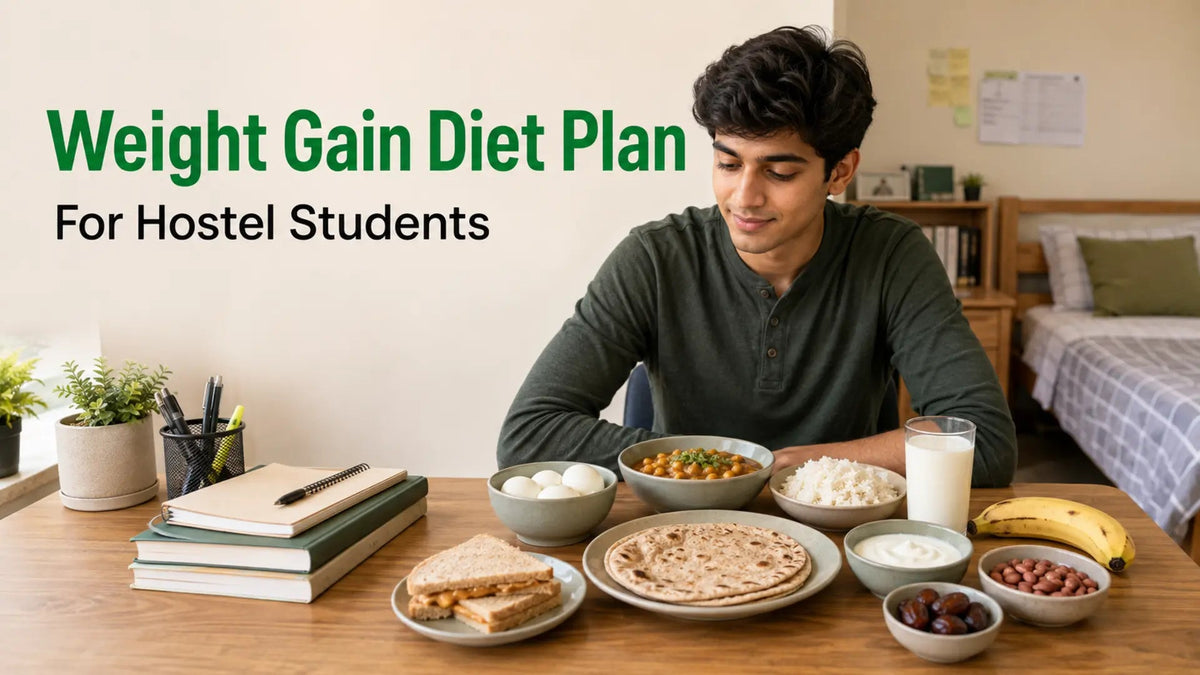
Easy options include yoghurt with fruit, eggs with toast or roti, a peanut-butter sandwich, dates with milk, chana, nuts, cheese with roti, banana shake or a small bowl of rice with daal.
If you feel full after only a few bites, stay full for hours, vomit regularly or continue losing weight, do not assume that you simply need to “train your stomach.” Persistent early fullness and nausea may need medical assessment. You can read MNT’s guide to nausea when trying to eat more.
3. Add calories without greatly increasing meal volume
For many adults, NHS guidance suggests trying around 300–500 extra calories a day for gradual weight gain. Your needs may be different if you are underweight, pregnant, under 18, very active or living with diabetes, kidney disease, liver disease, heart disease or a digestive condition.
Add small amounts of nutritious calorie sources to food you already tolerate:
| Meal component | Practical choices |
|---|---|
| Starchy food | Rice, roti, potatoes, oats, pasta or bread |
| Protein | Eggs, milk, yoghurt, chicken, fish, meat, daal, beans, chana or tofu |
| Calorie addition | Nuts, seeds, peanut butter, cheese, avocado or suitable oil |
| Fruit and vegetables | Banana, dates, mango, cooked vegetables and other tolerated produce |
Examples include adding milk to oats, yoghurt and nuts to breakfast, cheese to eggs, peanut butter to a smoothie, or a suitable amount of oil to rice and cooked vegetables.
4. Include protein regularly
Protein supports tissue repair and helps maintain muscle during weight recovery. Include a protein food in most meals, such as eggs, dairy, chicken, fish, meat, lentils, beans, chana, tofu, nuts or seeds.
There is no single protein target for everyone. People with kidney disease or other medical conditions should ask a clinician or dietitian before making a major change in protein intake.
5. Use nourishing drinks between meals
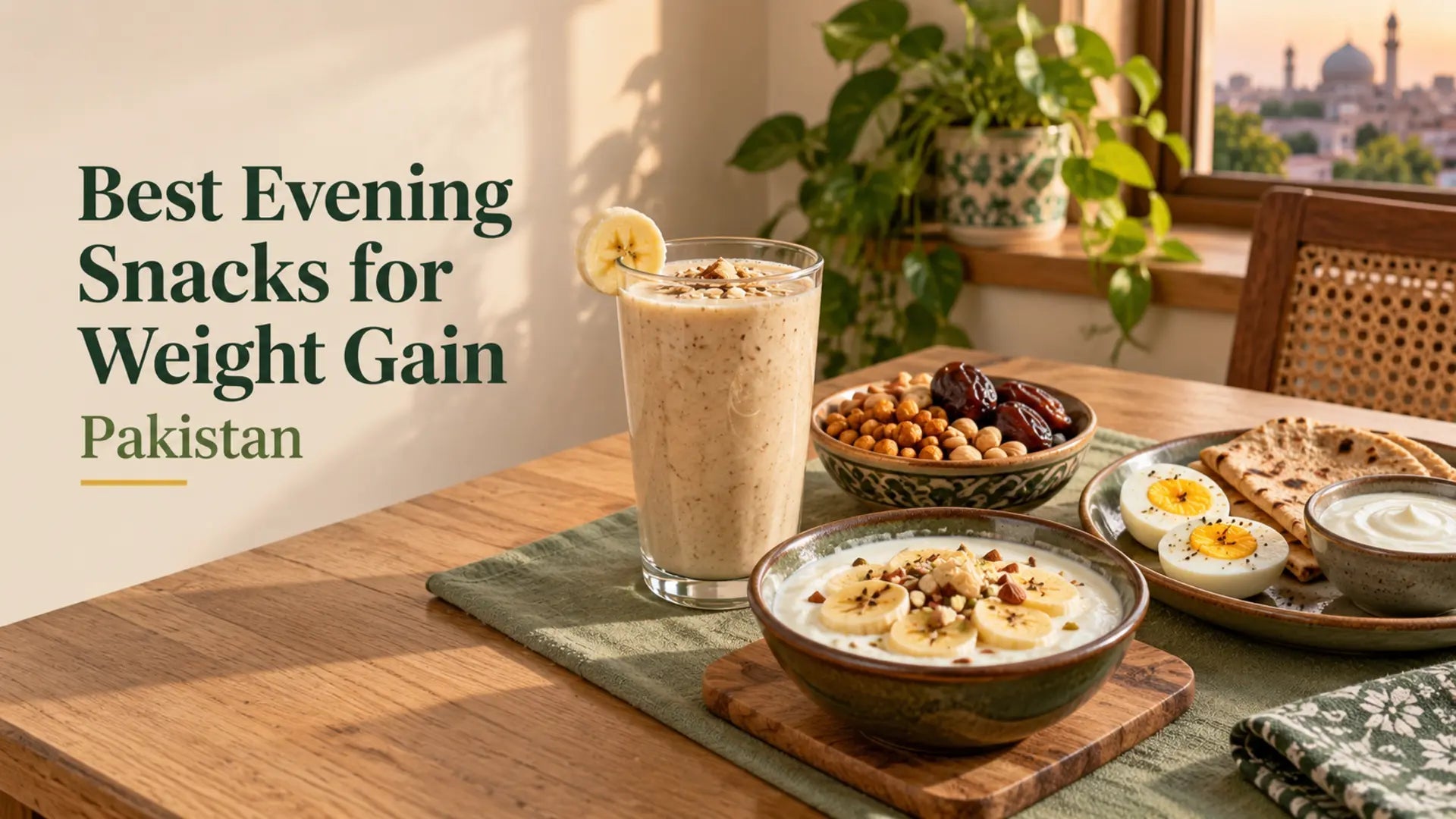
Drinks can be useful when chewing feels difficult or appetite is poor. Try milk, lassi, yoghurt drinks, a banana-and-milk smoothie or a blended drink containing oats and nut butter if these foods suit you.
Take larger drinks between meals if fluids make you feel full. Do not rely on shakes as your only food for a prolonged period. If you cannot keep food or fluids down, seek medical care.
6. Make eating easier when anxiety causes nausea
Try the following if nausea is mild and mainly occurs when you suddenly increase portions:
- Choose small portions more often.
- Eat slowly enough to avoid pushing beyond comfortable fullness.
- Try foods with mild smells or cooler foods if hot aromas trigger nausea.
- Sit upright while eating and after meals.
- Keep simple foods ready so cooking is not a barrier.
- Eat with a trusted person if eating alone increases anxiety.
- Avoid large amounts of tea, coffee or energy drinks if they worsen nervousness, nausea or sleep.
Nausea after only a few bites, repeated vomiting, severe pain or ongoing weight loss is different from mild discomfort after a large meal. It deserves professional assessment.
7. Treat anxiety while rebuilding your intake
Nutrition alone may not solve weight loss if anxiety is still causing missed meals, poor sleep, panic or fear around food. Helpful support may include talking with someone you trust, regular sleep, reducing caffeine when it worsens symptoms, gentle activity, breathing exercises, counselling or medical treatment.
Do not start, stop or change psychiatric medicine without speaking with the prescriber. If eating is controlled by intense fear of weight gain, purging, compulsive exercise, body-image distress or severe food avoidance, seek eating-disorder support. Eating disorders can occur at any body weight. NIMH information on anxiety and eating disorders
8. Rebuild strength only when it is safe
Once your food intake, energy and health are stable, gradual resistance exercise may help you regain strength and muscle. Start at a level that matches your ability. Avoid exhausting workouts if you are dizzy, faint, severely weak, eating very little or still losing weight.
Pakistan-Friendly Example of a Weight-Regain Day
This is an example, not a prescription. Adjust portions and foods to your appetite, medical needs, budget and tolerance.
- Breakfast: Eggs with roti or chapati and milk
- Snack: Banana with yoghurt, dates or a small handful of nuts
- Lunch: Rice with daal, chicken or fish, plus yoghurt
- Snack: Peanut-butter toast, chana or a banana shake
- Dinner: Roti with chicken, keema, daal or chana and cooked vegetables
- Evening option: Milk or oats if tolerated
The goal is not to eat junk food or force huge meals. It is to make your usual food pattern more regular, nourishing and comfortable.
How Many Calories Should You Add, and How Long Will Regain Take?
An extra 300–500 calories a day is a general starting guide for some healthy adults, not a guarantee. Increase intake gradually and review your weekly trend. Your first goal is to stop losing weight. After that, a slow upward trend is more useful than rapid changes.
There is no fixed timeline for regaining weight lost during stress. It depends on how much weight you lost, whether muscle was lost, your current intake, digestion, activity, health and whether the anxiety is improving. Daily scale changes often reflect water, food and bowel movements, so weigh under similar conditions once or twice a week.
If you have eaten very little or nothing for more than five days, have severe undernutrition or have lost a large amount of weight quickly, speak with a doctor or dietitian before making a major increase. Refeeding risk depends on factors such as weight loss, body size, recent intake and electrolyte status. NICE nutrition-support guidance
When Should You See a Doctor or Dietitian?
Speak with a doctor if weight loss is sudden, ongoing, unexplained or accompanied by physical symptoms. A registered dietitian can help you build a practical plan around your weight history, appetite, food preferences, routine, budget and medical needs after safety concerns have been considered.
Need Individual Nutrition Support?
If you need an individual plan, you can explore an MNT online nutrition consultation. Nutrition support does not replace medical diagnosis or emergency care.
You should also seek professional support if anxiety, depression, food fear or poor appetite is affecting daily life. If you have thoughts of self-harm or cannot keep yourself safe, contact local emergency services or an appropriate crisis service immediately.
Frequently Asked Questions
Can anxiety cause weight loss even if I think I am eating normally?
It can be difficult to notice smaller portions, missed snacks, changed meal times or increased restlessness during stress. However, continued weight loss despite a genuinely normal or increased intake should not automatically be blamed on anxiety. Arrange a medical assessment.
What should I eat when anxiety makes it hard to eat?
Start with small portions of foods you tolerate, such as yoghurt, milk, eggs, banana, rice, daal, roti, soup, toast or a smoothie. Add protein and calorie-dense ingredients gradually. Persistent inability to eat needs professional help.
Are weight-gainer supplements safe after stress-related weight loss?
Not automatically. Some products are high in sugar, poorly tolerated or unsuitable for diabetes, kidney disease, digestive conditions or medicine use. Food-first strategies are usually a better starting point. Ask a doctor or dietitian before using a supplement for unexplained or significant weight loss.
Can I exercise while trying to regain weight?
Gentle strength training may help rebuild muscle when you are medically well, eating adequately and not continuing to lose weight. Avoid intense exercise if you are weak, dizzy, faint or severely undernourished.
Is it safe to gain weight quickly after not eating?
Not always. People who have eaten very little for several days, have severe undernutrition or have experienced major rapid weight loss may need supervised nutritional rehabilitation. Seek professional advice before suddenly increasing food intake.
Key Takeaways
Stress and anxiety can contribute to weight loss by changing appetite, digestion, sleep and meal routines, but they should not be treated as a diagnosis. First check for other causes when weight loss is sudden, ongoing or unexplained. Then aim to stop further loss with scheduled small meals, gradual calorie increases, regular protein, nourishing drinks and foods that fit your Pakistani eating pattern. Treat anxiety at the same time, and rebuild strength only when it is safe.
We rely on peer-reviewed studies and reputable medical journals.