




Best Diets for Long-Term Fat Loss: Mediterranean, DASH & More
Introduction
Most diets promise fast results, but only a few can help you lose fat and keep it off for life. Research shows that crash diets often lead to yo-yo weight gain, slower metabolism, and nutrient deficiencies. The key to success lies in adopting science-backed diets designed for long-term fat loss while improving overall health.
In this article, we’ll break down the 5 best diets for sustainable fat loss—Mediterranean, DASH, High-Protein, Flexitarian, and Intermittent Fasting—supported by evidence, health experts, and real-world success.
Why Long-Term Fat Loss Matters
Unlike quick-fix diets, sustainable fat loss leads to:
-
✅ Consistent weight control without rebound.
-
✅ Improved heart and metabolic health.
-
✅ Higher energy levels & better mood.
-
✅ Easier lifestyle adherence.
According to the CDC, safe and sustainable weight loss is 1–2 pounds per week, achieved through healthy eating patterns and physical activity.
1. Mediterranean Diet – “The Gold Standard” for Health & Fat Loss
Definition: The Mediterranean diet is a plant-forward eating style inspired by countries bordering the Mediterranean Sea, emphasizing whole foods and healthy fats.
Key Features:
-
High intake of vegetables, fruits, legumes, whole grains, olive oil, and nuts.
-
Moderate consumption of fish, poultry, and dairy.
-
Limited red meat and sweets.
Why It Works for Fat Loss:
-
Fiber-rich foods keep you full, reducing overeating.
-
Healthy fats (olive oil, nuts) stabilize blood sugar.
-
Flexible and easy to maintain as a lifestyle.
📊 Evidence: A landmark study in the New England Journal of Medicine showed that participants on a Mediterranean diet had 30% reduced heart disease risk and better long-term weight control.
2. DASH Diet – Best for Blood Pressure & Steady Weight Loss
Definition: The DASH diet (Dietary Approaches to Stop Hypertension) is designed to lower blood pressure but doubles as an effective fat loss plan.
Key Features:
-
Focuses on fruits, vegetables, whole grains, lean proteins, and low-fat dairy.
-
Limits sodium, added sugars, and processed foods.
-
Encourages portion control.
Why It Works for Fat Loss:
-
Reduces bloating and water retention by lowering sodium.
-
High in protein and fiber → better appetite control.
-
Encourages a balanced calorie deficit.
📊 Evidence: The Journal of Nutrition found DASH followers had lower body weight, improved cholesterol, and better insulin sensitivity.
3. High-Protein Diet – Preserve Muscle, Burn Fat
Definition: A high-protein diet emphasizes increasing protein intake (25–35% of calories) while balancing carbs and fats.
Key Features:
-
Lean protein sources: chicken, fish, lentils, eggs, tofu.
-
Balanced with whole grains, veggies, and healthy fats.
Why It Works for Fat Loss:
-
Protein boosts satiety hormones (GLP-1, peptide YY).
-
Protects muscle mass during fat loss.
-
Burns more calories due to the thermic effect of food (TEF).
📊 Evidence: Research in the American Journal of Clinical Nutrition shows high-protein diets improve fat loss and body composition.
4. Flexitarian Diet – Best of Both Worlds
Definition: A semi-vegetarian eating style that’s plant-based most of the time but allows moderate meat and dairy.
Key Features:
-
Emphasizes fruits, vegetables, legumes, and whole grains.
-
Allows occasional animal protein.
Why It Works for Fat Loss:
-
Naturally lower in calories and rich in fiber.
-
Encourages mindful, flexible eating → higher adherence.
-
Supports long-term health benefits similar to vegetarian diets.
📊 Evidence: A review in Frontiers in Nutrition found Flexitarian diets are linked to lower body mass index (BMI) and better metabolic health.
5. Intermittent Fasting (IF) – Timing Matters
Definition: Intermittent Fasting is an eating pattern that cycles between periods of fasting and eating.
Common Methods:
-
16:8 – Fast for 16 hours, eat in an 8-hour window.
-
5:2 – Eat normally 5 days, restrict calories on 2 days.
Why It Works for Fat Loss:
-
Naturally lowers calorie intake by reducing eating windows.
-
Improves insulin sensitivity and fat metabolism.
-
Flexible and adaptable to modern lifestyles.
📊 Evidence: A review in Annual Review of Nutrition shows IF promotes weight loss, improved blood sugar, and heart health.
Diet Comparison Table
|
Diet |
Focus Area |
Pros |
Cons |
Best For |
|
Mediterranean |
Whole foods, healthy fats |
Heart health, flexible, sustainable |
Can be higher in fat/calories |
Beginners & heart health |
|
DASH |
Low sodium, balanced |
Great for blood pressure, nutrient-rich |
Requires label reading (sodium) |
Hypertension, families |
|
High-Protein |
Protein-rich meals |
Satiety, preserves muscle, fat-burning |
May be hard for vegetarians/vegans |
Athletes, gym-goers |
|
Flexitarian |
Mostly plant-based |
Flexible, environmentally friendly |
Can lack protein if poorly planned |
Plant-based beginners |
|
Intermittent Fasting |
Meal timing |
Simple, flexible, boosts metabolism |
Hard for some lifestyles |
Busy professionals |
Conclusion
No single diet is perfect for everyone. The best diet for long-term fat loss is the one you can enjoy and sustain:
-
Mediterranean Diet → Heart health & lifestyle balance.
-
DASH Diet → Great for blood pressure & fat loss.
-
High-Protein Diet → Muscle-preserving fat loss.
-
Flexitarian Diet → Balanced, plant-focused flexibility.
-
Intermittent Fasting → Timing-based calorie control.
👉 Takeaway: Pick a diet that aligns with your lifestyle, preferences, and health goals—because consistency matters more than perfection.
FAQs
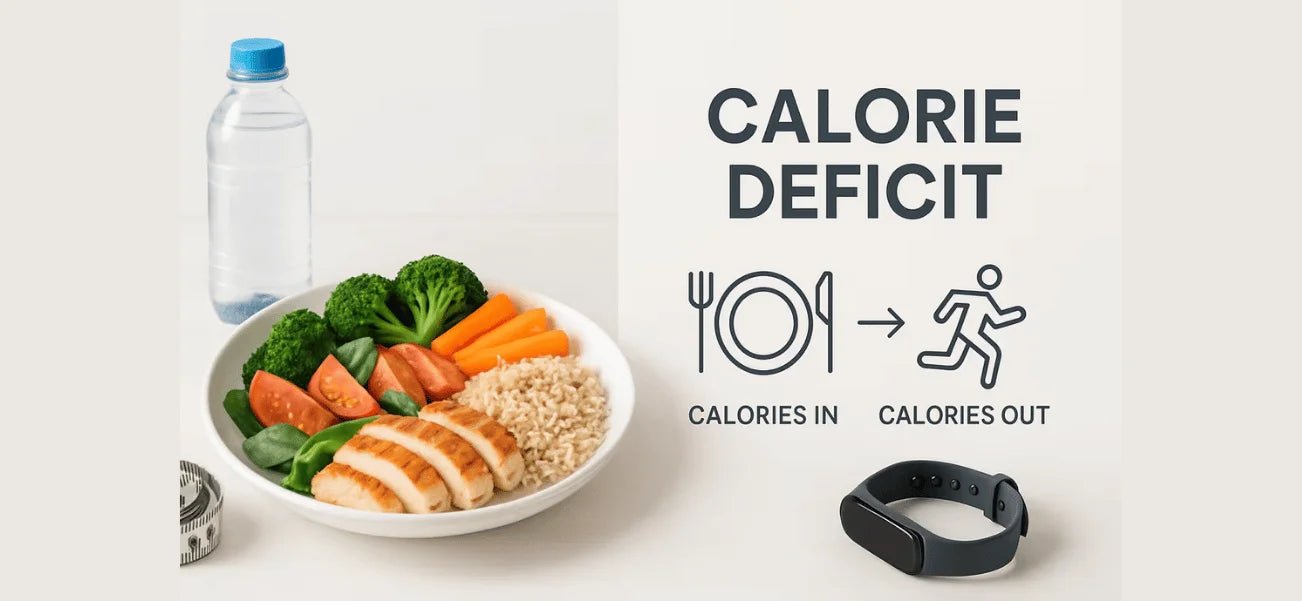
1. Why is focusing only on calorie deficit a disadvantage?
Calorie deficit helps with weight loss, but relying solely on it can be harmful. If you cut too many calories without paying attention to nutrient quality, you may experience fatigue, nutrient deficiencies, muscle loss, and slowed metabolism. For example, eating 1,500 calories of fast food is not equal to 1,500 calories of balanced whole foods. The former lacks fiber, vitamins, minerals, and protein that are crucial for long-term health.
2. Can you lose weight while eating nutrient-dense foods without tracking calories?
Yes, but with conditions. Nutrient-dense foods like vegetables, lean proteins, whole grains, and legumes are naturally low in calories and high in satiety, so they help reduce overeating. However, if you consistently eat beyond your body’s energy needs—even from healthy foods—weight gain can still occur.
3. What happens if you focus only on calorie deficit and ignore nutrient density?
If weight loss comes only from calorie restriction without considering nutrients, the body may suffer from weakened immunity, hormonal imbalances, brittle bones, anemia, and muscle breakdown. For instance, someone eating just crackers and soda within a calorie limit might lose weight but compromise long-term health.
4. Which approach is better for long-term weight management: calorie deficit or nutrient-dense eating?
The most effective long-term approach is a balance of both.
-
Calorie deficit is required to lose weight.
-
Nutrient-dense foods ensure the body stays healthy, energetic, and strong while in deficit.
5. Can calorie deficit cause metabolic slowdown?
Yes. Severe and prolonged calorie deficits can cause the body to adapt by lowering metabolism (fewer calories burned at rest). This is sometimes called “starvation mode.” It leads to slower weight loss, fatigue, and difficulty maintaining results.