



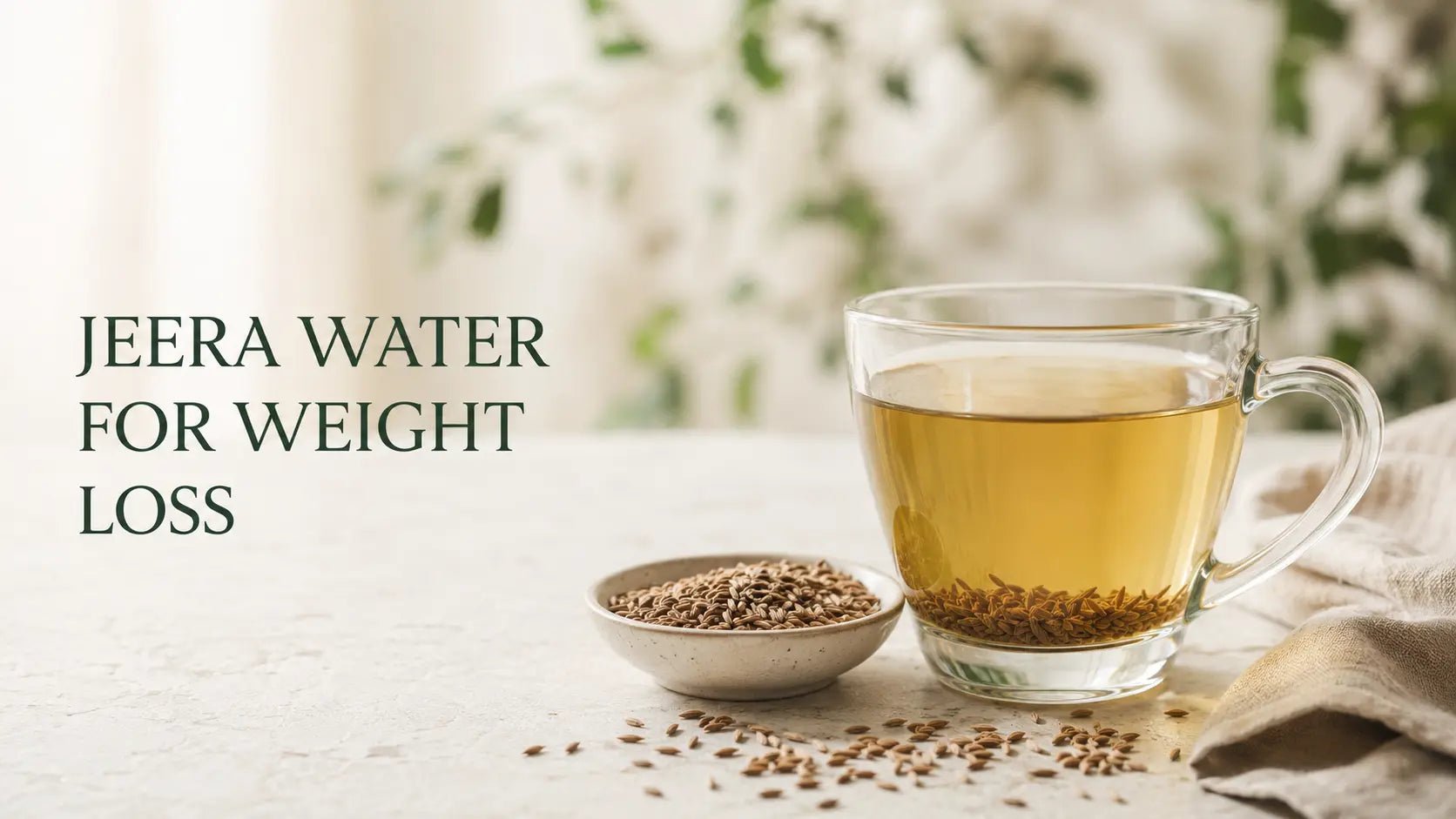
Jeera Water for Weight Loss: Does It Work? Benefits, Recipe and Safety
Jeera water may support a weight-loss routine, but it has not been proven to cause meaningful fat loss on its own. Research on cumin suggests possible modest benefits when it is combined with a calorie-controlled diet. However, most studies have tested cumin powder, capsules, extracts or essential oil rather than ordinary homemade jeera water.
The most practical benefit of unsweetened jeera water is that it can replace higher-calorie drinks such as sugary tea, juice or soft drinks. It should be treated as an optional part of a healthy weight-loss plan, not as a fat-burning remedy.
Jeera Water and Weight Loss: Quick Facts
| Question | Evidence-based answer |
|---|---|
| Does jeera water help with weight loss? | It may provide modest support, but it is not proven to cause significant weight loss by itself. |
| Does it burn belly fat? | No. Jeera water cannot selectively burn abdominal fat. |
| Does it boost metabolism? | This has not been established for homemade jeera water. |
| Is an empty stomach necessary? | No. |
| What is the best time to drink it? | There is no scientifically proven best time. |
| Is soaked jeera better than boiled jeera? | No comparative human research has established this. |
| How much weight can it reduce in seven days? | No reliable amount can be predicted. |
| Can it replace diet and exercise? | No. |
What Is Jeera Water?
Jeera water, also called cumin water or zeera water, is made by soaking, steeping or boiling cumin seeds in water. Jeera is the South Asian name for the dried seeds of Cuminum cyminum, a spice commonly used in Pakistani, Indian and Middle Eastern cooking.
There are three common ways to prepare it:
-
Soaking cumin seeds in water overnight
-
Simmering cumin seeds in water for several minutes
-
Steeping lightly crushed cumin seeds in hot water like tea
These methods produce a lightly infused drink. They are not equivalent to eating cumin powder or taking concentrated cumin capsules, extracts or essential oil.
Jeera Is Not the Same as Kalonji or Black Cumin
Ordinary jeera is Cuminum cyminum. Kalonji, which is sometimes called black cumin, is Nigella sativa. These are different plants with different active compounds.
This distinction matters because some online articles incorrectly apply research on kalonji and thymoquinone to ordinary jeera. Evidence about black seed oil or kalonji should not be used to claim that normal cumin water produces the same effects.
Does Jeera Water Help With Weight Loss?
Jeera water might support weight management, but the evidence does not show that it independently causes substantial weight loss.
A person may find it useful when it:
-
Replaces a drink containing sugar or excess calories
-
Makes plain water more appealing
-
Supports a consistent, health-conscious routine
-
Is consumed alongside an appropriate eating and activity plan
However, adding jeera water to an unchanged high-calorie diet is unlikely to produce noticeable fat loss. Weight decreases when energy intake remains lower than energy expenditure over time. No herb, spice or drink removes the need for that overall energy deficit.
Jeera water works best as part of broader science-backed strategies for sustainable weight loss, including balanced nutrition, regular activity and sufficient sleep.
What Does the Research Actually Say?
The distinction between jeera water and other forms of cumin is essential when evaluating the research.
Research on Cumin Infusion
One of the most directly relevant studies was published in 2025 and included 132 adults with metabolic syndrome in Lahore, Pakistan.
Both study groups received:
-
A carbohydrate-controlled diet
-
Conventional medical care
-
Lifestyle guidance
The intervention group also consumed a cumin infusion made from a 2-gram tea bag steeped in 200 millilitres of boiling water for five to seven minutes. Participants drank it twice daily for eight weeks.
Both groups experienced improvements. The researchers reported that the cumin-infusion group had greater improvements in some measurements and metabolic markers. However, the study does not prove that jeera water alone caused weight loss because the participants were also following an individualized diet and receiving medical care.
The trial had several limitations:
-
It lasted only eight weeks.
-
It was not blinded.
-
The cumin infusion was not standardized for active compounds.
-
Participants’ medications were not controlled.
-
Dietary adherence was partly self-reported.
-
It involved people with metabolic syndrome, so results may not apply to every healthy adult.
There is also a statistical inconsistency worth noting. The researchers set the significance threshold at p < 0.005, while the reported time-by-group result for BMI was p = 0.023. This makes the BMI finding less conclusive than the article’s general wording may suggest. Read the 2025 cumin-infusion study.
Research on Cumin Powder
A 2014 randomized trial studied 88 women with overweight or obesity. One group consumed 3 grams of cumin powder daily with yoghurt for three months, while the control group received yoghurt without cumin. All participants also received similar nutrition counselling for weight loss.
The cumin group experienced improvements in weight, BMI, waist circumference and body-fat measurements. Nevertheless, these results cannot be applied directly to jeera water because the participants consumed the complete cumin powder rather than a lightly infused drink. Read the cumin-powder study.
Research on Cumin Supplements and Extracts
A 2026 systematic review and meta-analysis assessed nine randomized controlled trials involving 531 participants with metabolic disorders. It found possible improvements in waist circumference, fasting blood sugar, triglycerides and HDL cholesterol.
The quality of evidence was rated moderate for waist circumference and low for several metabolic outcomes. There was also substantial variation between studies in the participants, health conditions, cumin formulations and doses. These findings suggest potential, but they do not establish homemade jeera water as a weight-loss treatment. Read the GRADE-assessed meta-analysis.
Why a Popular Cumin Study Requires Caution
A frequently quoted 2015 study reported that cumin capsules produced weight and BMI changes similar to orlistat over eight weeks. This claim appears repeatedly in articles about cumin water, even though the study tested capsules rather than homemade water.
More importantly, the journal later issued an Expression of Concern because of discrepancies involving group sizes, participant demographics and trial dates. Its results should therefore not be presented as reliable proof that cumin works like a weight-loss medicine. Read the publisher’s Expression of Concern.
The Evidence-Based Verdict
Current research suggests that cumin may have modest effects on certain weight and metabolic measurements. However:
-
Jeera water has not been shown to cause substantial weight loss independently.
-
Cumin powder, capsules and extracts are not equivalent to cumin-infused water.
-
Most studies are small, short or limited to specific populations.
-
Jeera water should be considered an optional dietary addition rather than a treatment.
Potential Jeera Water Benefits for Weight Loss
1. It Can Replace a Higher-Calorie Drink
The clearest weight-management benefit occurs when unsweetened jeera water replaces a caloric drink.
For example, replacing sweetened chai, a soft drink or packaged juice with cumin water can lower daily calorie intake. Jeera water does not create the calorie deficit by “burning fat.” The benefit comes from what it replaces.
Drinking jeera water in addition to all your usual food and drinks will not automatically produce the same benefit.
2. It Can Support Hydration
Jeera water contributes to fluid intake just like ordinary water. This may be helpful for people who struggle to drink plain water.
Adequate hydration supports normal body functions, but it should not be described as a detox or rapid fat-loss method. The liver, kidneys, lungs and digestive system already manage the body’s waste products.
Learn more about the role of hydration in weight management, including its effects on appetite, beverage choices and exercise performance.
3. Cumin May Influence Some Metabolic Markers
Research on cumin supplements and infusions suggests possible effects on waist circumference, blood glucose and blood lipids. These findings are still being studied.
Improved blood sugar or cholesterol measurements do not necessarily mean that a person has lost a significant amount of body fat. Metabolic health and body weight are related but separate outcomes.
No single drink can dramatically increase calorie burning, but certain lifestyle habits may help you boost metabolism naturally
4. It May Help Some People Feel Less Bloated
Some people report that warm cumin water feels soothing after meals. However, research specifically demonstrating that homemade jeera water reliably treats bloating is limited.
It is also important to distinguish reduced bloating from fat loss:
-
Bloating involves gas, fluid or digestive fullness.
-
Fat loss involves a reduction in stored body fat.
A temporarily flatter stomach after bloating improves does not mean abdominal fat has been burned.
5. It May Support a Consistent Routine
Preparing an unsweetened drink can become a cue for other healthy behaviours, such as eating a balanced breakfast, planning meals or taking a morning walk.
The routine may be helpful, but the drink itself is not the main driver of the result.
Does Jeera Water Burn Belly Fat?
Jeera water does not selectively burn belly fat. The body cannot be instructed to remove fat from one specific area through a food or drink.
Abdominal fat decreases as part of overall fat loss. Where the body loses fat first depends on factors such as:
-
Genetics
-
Sex
-
Age
-
Hormones
-
Starting body composition
-
Overall weight-loss progress
A reduction in waist circumference in a cumin study should not be interpreted as proof that cumin specifically targets belly fat. Waist size can also change because of overall weight loss, reduced bloating or changes in fluid balance.
Fat does not disappear evenly from every area, which helps explain why belly fat may remain after weight loss.
How Much Weight Can You Lose With Jeera Water?
There is no scientifically established amount of weight that a person will lose by drinking jeera water.
Results depend much more on:
-
Total calorie intake
-
Food quality and portion sizes
-
Physical activity
-
Starting body weight
-
Sleep
-
Stress
-
Medical conditions
-
Medicines
-
Consistency over time
Your progress will depend on your overall calorie deficit, consistency and starting point; here is a realistic explanation of how long it takes to see fat-loss results.
Jeera Water Weight-Loss Results in Seven Days
No reliable clinical evidence shows that jeera water causes significant fat loss in seven days.
A quick change on the weighing scale may reflect:
-
Water loss
-
Lower salt or carbohydrate intake
-
Bowel contents
-
Menstrual-cycle changes
-
Normal daily weight fluctuation
These short-term changes should not automatically be described as body-fat loss.
Results After One Month
It is also impossible to promise a specific one-month result. If someone loses weight while drinking jeera water, the result is usually connected to their complete eating and activity pattern.
The US Centers for Disease Control and Prevention notes that gradual weight loss of approximately 1–2 pounds, or about 0.5–0.9 kilograms, per week is generally more sustainable. This is an overall weight-management guideline, not an expected result from cumin water. Read the CDC guidance.
How to Make Jeera Water for Weight Loss
There is no scientifically proven “best” jeera-water recipe for fat loss. A simple, moderate and unsweetened preparation is sufficient.
Simple Hot Jeera-Water Recipe
Ingredients
-
½ teaspoon whole cumin seeds
-
1 cup or approximately 250 millilitres of water
Method
-
Lightly crush the cumin seeds to release their aroma.
-
Bring the water to a boil.
-
Add the cumin seeds.
-
Simmer gently or remove from the heat and steep for five to seven minutes.
-
Strain the drink.
-
Consume it warm or allow it to cool.
Do not add sugar if your goal is to reduce calorie intake.
Overnight Jeera-Water Recipe
-
Add ½ teaspoon of cumin seeds to 250 millilitres of clean drinking water.
-
Cover and soak for six to eight hours.
-
In hot weather, soak it in the refrigerator for food safety.
-
Strain it before drinking, or leave the seeds if you normally tolerate them.
-
Drink it plain or warm it gently.
Soaked Versus Boiled Jeera Water
No good-quality human study has shown that overnight-soaked jeera water produces more weight loss than boiled or steeped cumin water.
Boiling, soaking and steeping may extract different amounts of flavour compounds, but this has not been translated into a proven difference in weight-loss outcomes.
Choose the method that is easiest to prepare and most comfortable to drink.
What Is the Best Time to Drink Jeera Water for Weight Loss?
There is no scientifically proven best time to drink jeera water for weight loss.
A practical time is when it can replace a higher-calorie drink. For example:
-
Instead of sweetened morning tea
-
Between meals instead of a soft drink
-
With or after a meal instead of a sugary beverage
-
In the evening instead of a sweetened drink
Drinking it early in the morning does not make it burn more fat than drinking it later in the day.
Should You Drink Jeera Water on an Empty Stomach?
Drinking jeera water on an empty stomach is not required for weight loss. There is no strong evidence that an empty stomach improves absorption or fat-burning effects.
People who experience nausea, heartburn, reflux or stomach discomfort may tolerate it better with or after food.
Can You Drink Jeera Water at Night?
Plain jeera water can generally be consumed at night if it does not cause reflux, stomach discomfort or frequent urination that interrupts sleep.
Night-time consumption does not make it more effective for weight loss.
How Often Should You Drink It?
There is no medically established jeera-water dose for weight loss. A modest, food-like preparation once daily is a reasonable starting point for an otherwise healthy adult who already tolerates cumin.
Do not copy concentrated doses from supplement studies. Research doses are not automatically safe or appropriate for home use, and the amount extracted into homemade water is unpredictable.
Jeera Water With Lemon, Honey, Ginger or Black Salt
Adding more ingredients does not necessarily make jeera water more effective.
| Addition | What it means for weight loss |
|---|---|
| Lemon | Adds flavour and some vitamin C, but does not make the drink burn fat. |
| Honey | Adds sugar and calories, which may work against the purpose of choosing a low-calorie drink. |
| Ginger | Can add flavour, but no trial proves that ginger and jeera water produce greater fat loss together. |
| Cinnamon | There is no established special fat-burning synergy with cumin water. |
| Black salt | Adds sodium and is unnecessary for weight loss. |
| Ajwain | A traditional combination, but it is not proven to produce greater weight loss. |
| Saunf | May change the flavour, but the combination has not been established as a fat-loss treatment. |
If lemon improves the taste and encourages you to drink the beverage without sugar, it can be included. People with acid reflux or sensitive teeth may prefer plain jeera water.
Adding lemon can improve flavour, but you should understand whether lemon water helps with weight loss before expecting additional fat-loss benefits.
Jeera Water Side Effects and Safety
Cumin is widely consumed as a culinary spice and is generally recognized as safe in normal food amounts. Concentrated or medicinal use has less-established long-term safety. Review the cumin safety monograph.
Possible side effects may include:
-
Heartburn
-
Reflux
-
Nausea
-
Stomach discomfort
-
Diarrhoea
-
Allergy or skin reaction in sensitive individuals
Stop drinking it if it repeatedly causes discomfort or an allergic reaction.
Diabetes and Blood-Sugar Medicines
Cumin may affect blood glucose. People taking insulin or diabetes medicines should not use concentrated cumin preparations without professional advice because combining them could potentially contribute to low blood sugar.
Seek help if symptoms such as shaking, sweating, dizziness, confusion or unusual weakness occur.
Blood Thinners and Bleeding Disorders
Cumin may interact with medicines that affect blood clotting. People using anticoagulants or antiplatelet medicines, or those with a bleeding disorder, should consult their clinician before consuming cumin regularly in medicinal amounts.
The Saudi Food and Drug Authority specifically advises caution for people taking diabetes medicines or blood thinners. Read the SFDA cumin guidance.
Pregnancy and Breastfeeding
Normal culinary cumin in food is different from consuming concentrated cumin drinks or supplements every day. Because safety information for medicinal amounts during pregnancy and breastfeeding is limited, professional guidance is recommended.
Jeera water should not be used for intentional weight loss during pregnancy unless the person’s healthcare team has specifically recommended a weight-management plan.
Before Surgery
Tell your doctor about herbs, supplements and concentrated home remedies before surgery, particularly if you use medicines that affect blood glucose or clotting.
Children and Teenagers
Jeera water should not be promoted as a weight-loss treatment for children. Concerns about a child’s weight, growth or eating habits should be discussed with a paediatrician or qualified dietitian.
Cumin Essential Oil Is Not Jeera Water
Do not add cumin essential oil to homemade jeera water. Essential oil is highly concentrated and is not equivalent to steeping culinary cumin seeds.
How to Use Jeera Water in a Healthy Weight-Loss Plan
Jeera water becomes useful when it supports a sustainable behaviour rather than being treated as a shortcut.
Use It as a Replacement
Drink unsweetened jeera water instead of:
-
Sweetened chai
-
Soft drinks
-
Sugary lemonade
-
Packaged juice
-
Sweetened coffee
-
High-calorie flavoured drinks
This substitution can reduce calorie intake. Drinking it in addition to all your usual beverages may not provide the same benefit.
Build Balanced Meals
A practical weight-loss meal should generally contain:
-
A source of protein
-
Vegetables or fruit
-
A fibre-rich carbohydrate
-
An appropriate amount of healthy fat
Protein and fibre can make meals more satisfying and reduce the likelihood of uncontrolled snacking later.
Remain Physically Active
Physical activity supports health, fitness and long-term weight management. Choose an activity appropriate for your health and ability, such as walking, cycling, swimming or resistance training.
Protect Sleep and Manage Stress
Poor sleep and ongoing stress can influence appetite, food choices and weight-management consistency. Jeera water cannot compensate for insufficient sleep or a highly stressful routine.
Monitor the Right Outcomes
Instead of expecting daily changes, track:
-
Weekly average weight
-
Waist circumference
-
Energy levels
-
Hunger and fullness
-
Beverage choices
-
Meal consistency
-
Physical activity
Successful weight-loss programmes combine an appropriate eating plan, physical activity and maintainable lifestyle habits. Read the NIDDK guidance.
Frequently Asked Questions
Can I Drink Jeera Water Every Day?
An otherwise healthy adult who tolerates cumin may be able to drink a modest, unsweetened preparation regularly. However, a long-term medicinal dose has not been established. People who are pregnant, breastfeeding, taking diabetes medicines or blood thinners, or living with a medical condition should seek professional advice.
Does Jeera Water Reduce Belly Fat?
No. Jeera water cannot selectively remove abdominal fat. Belly fat decreases through overall fat loss produced by a sustainable calorie deficit. A temporary reduction in bloating can make the stomach look flatter, but this is not the same as losing stored body fat.
Is Jeera Water Better in the Morning or at Night?
Neither time has been proven superior. Drink it when it conveniently replaces a caloric beverage and does not cause discomfort. Morning consumption on an empty stomach is a traditional practice, not a scientifically established requirement for weight loss.
How Long Does Jeera Water Take to Show Weight-Loss Results?
There is no reliable timeline because jeera water does not independently determine weight loss. Results depend on the complete eating pattern, calorie intake, activity, sleep, health and consistency. Be cautious of claims promising dramatic jeera-water results in seven days.
Is Overnight Jeera Water Better Than Boiled Jeera Water?
No comparative clinical evidence shows that the overnight method is better for losing weight. Both methods create an infused drink. Select the preparation you prefer and keep it unsweetened.
Can I Add Honey to Jeera Water for Weight Loss?
You can, but honey adds sugar and calories. If your purpose is to replace a caloric drink, plain jeera water or jeera water with a small amount of lemon is usually more consistent with that goal.
Can People With Diabetes Drink Jeera Water?
They should first discuss regular or concentrated use with their clinician, particularly if they take insulin or glucose-lowering medicines. Cumin may influence blood sugar, and medicines may require monitoring rather than unsupervised adjustment.
Does Jeera Water Break an Intermittent Fast?
Plain, strained jeera-infused water without sugar or honey contains very little energy and may fit some fasting approaches. Strict fasting rules vary, however. Eating the seeds or adding honey, milk or other calorie-containing ingredients changes the drink.
Should Jeera Water Be Warm or Cold?
Temperature does not meaningfully change fat loss. Drink it warm or cold according to preference and digestive comfort.
Is Jeera Water the Same as Kalonji Water?
No. Jeera comes from Cuminum cyminum, while kalonji or black seed comes from Nigella sativa. They are different plants and should not be treated as interchangeable.
The Bottom Line
Jeera water is an unsweetened, low-calorie drink that may fit into a healthy weight-loss plan. Limited evidence suggests cumin could modestly support certain weight and metabolic measurements when combined with dietary changes, but homemade jeera water has not been proven to cause substantial fat loss by itself.
It does not melt belly fat, detoxify the body or guarantee weight loss in seven days. If you enjoy it and tolerate it, use it as a replacement for a higher-calorie beverage while focusing on balanced meals, an appropriate calorie intake, physical activity, sleep and long-term consistency.
People with diabetes, bleeding disorders or other medical conditions, as well as those who are pregnant, breastfeeding or taking regular medicines, should obtain individualized professional advice before using concentrated cumin preparations.
We rely on peer-reviewed studies and reputable medical journals.