

How to Lose Belly Fat Naturally: Evidence-Based Protocols for Metabolic Health
INTRODUCTION
Metabolic syndrome and cardiovascular risks are strictly linked to waist circumference, making abdominal obesity a medical concern rather than purely an aesthetic one. For office workers and remote professionals, the combination of prolonged sitting and high-glycemic diets creates a "perfect storm" for central adiposity.
To lose belly fat naturally, you must establish a moderate caloric deficit while optimizing insulin sensitivity and managing cortisol levels. This process involves increasing soluble fiber intake to blunt insulin spikes, prioritizing protein to leverage the thermic effect of food (TEF), and engaging in consistent non-exercise activity thermogenesis (NEAT) rather than relying solely on intense cardio.
THE BIOLOGY OF VISCERAL FAT
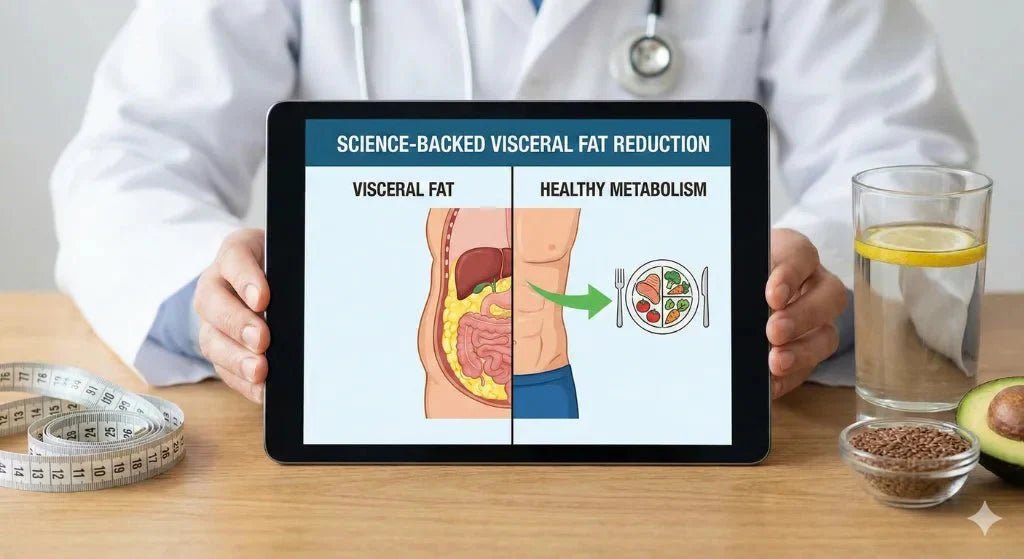
Understanding your enemy is the first step to defeating it. The fat stored around your midsection is primarily visceral fat. Unlike subcutaneous fat (which sits just under the skin), visceral fat wraps around major organs like the liver and pancreas. It is metabolically active, secreting inflammatory markers called cytokines that interfere with insulin function.
Reducing this tissue requires a shift in hormonal signaling, specifically lowering baseline insulin levels. Chronic insulin elevation signals the body to store energy as fat, preferentially in the abdominal cavity.
Nutritional Interventions for Adiposity Reduction
Prioritize Soluble Fiber
Soluble fiber mixes with water to form a viscous gel that slows down food delivery to the gut. This process significantly reduces the speed of digestion and the subsequent release of glucose into the bloodstream.
-
Clinical Protocol: Aim for at least 10–14 grams of additional soluble fiber per day.
-
Actionable Sources: Incorporate flaxseeds, shirataki noodles, Brussels sprouts, and legumes.
-
Supplementation: Research suggests that Glucomannan or Psyllium husk can aid in satiety and glycemic control.
MNT Product Insight: For a potent, natural source of fiber and antioxidants, consider integrating organic Moringa Powder into your morning routine to support metabolic regulation.
Leverage the Thermic Effect of Protein
Protein is the most metabolically expensive macronutrient. The body utilizes approximately 20-30% of the calories in protein just to digest it, compared to only 5-10% for carbohydrates. High protein intake also retains lean muscle mass, which is the primary driver of your resting metabolic rate (BMR).
-
Target Intake: Consume 1.6 to 2.2 grams of protein per kilogram of body weight.
-
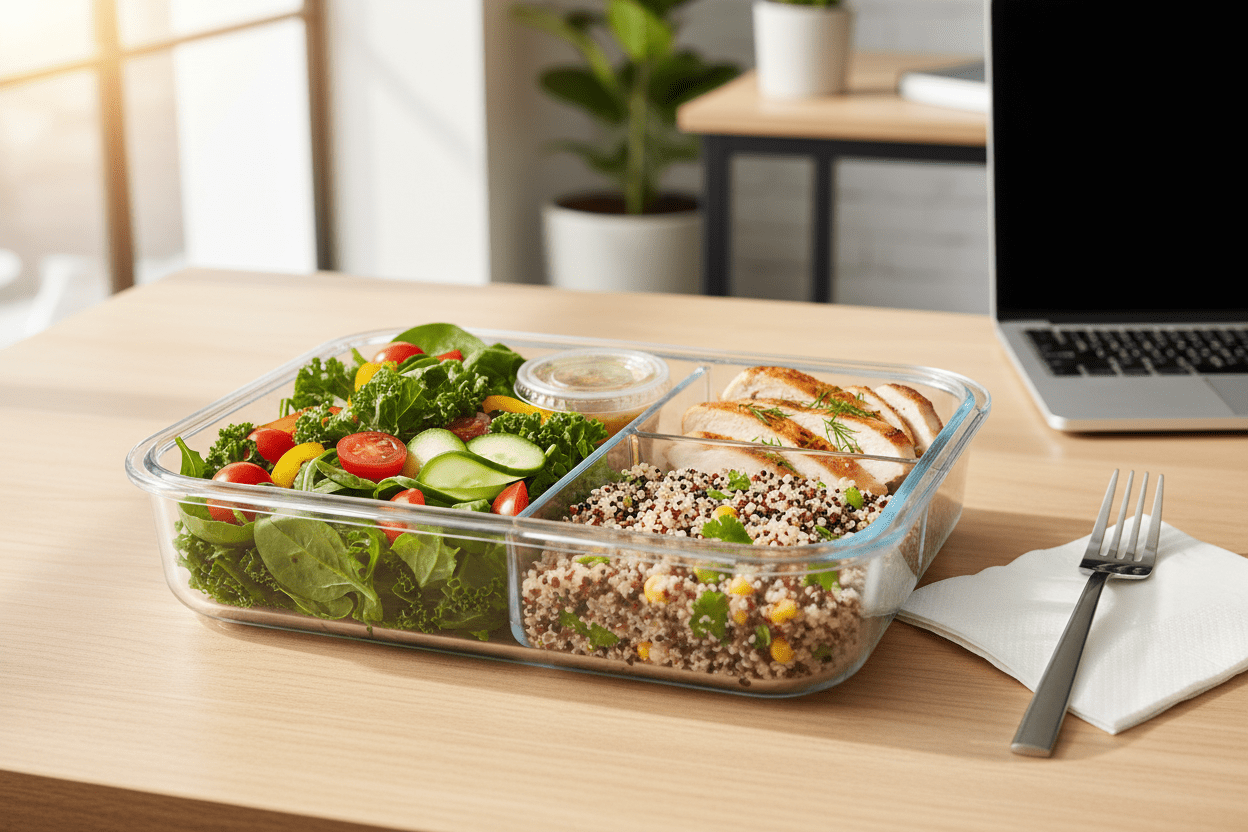
Meal Structure: Ensure every meal contains a minimum of 25–30g of high-quality protein (e.g., chicken breast, lentils, fish, or whey isolate).
Need a personalized meal plan? Generic advice often fails because it doesn't account for your specific BMR. Book an MNT Clinical Nutrition Consultation to get a tailored roadmap designed by Registered Dietitians.
Eliminate Liquid Fructose
Fructose, particularly in liquid form (sodas, fruit juices, sweetened coffees), is metabolized almost exclusively by the liver. When the liver is overloaded with fructose, it converts the excess directly into visceral fat via de novo lipogenesis.
-
The Rule: Cap added sugar intake at 24g (approx. 6 teaspoons) for women and 36g (9 teaspoons) for men per day.
-
Hydration: Replace caloric beverages with water, unsweetened tea, or black coffee.
LIFESTYLE & METABOLIC FACTORS
Cortisol and Stress Management
For high-functioning professionals, stress is a chronic contributor to weight gain. Elevated cortisol levels stimulate fat storage specifically in the abdominal region and break down muscle tissue.
-
Sleep Hygiene: CDC guidelines recommend 7 or more hours per night. Poor sleep disrupts the hunger hormones ghrelin (appetite) and leptin (satiety).
-
Stress Mitigation: Practice deep breathing or meditation for 10 minutes daily to lower cortisol spikes.
Activity: NEAT over HIIT
For sedentary individuals, high-intensity interval training (HIIT) can sometimes spike cortisol if recovery is poor. A more sustainable approach is increasing Non-Exercise Activity Thermogenesis (NEAT).
-
The Strategy: Aim for 8,000–10,000 steps daily.
-
Implementation: Use a standing desk or take 5-minute walking breaks for every hour of desk work.
Interested in the science of metabolism? MNT offers a Nutrition Course designed for those who want to master the physiology of weight loss and health.
COMMON PITFALLS TO AVOID
The Myth of Spot Reduction
You cannot target fat loss specifically from the belly by doing crunches or planks. Abdominal exercises strengthen the muscles underneath the fat but do not burn the fat covering them. Focus on total body fat reduction through the nutritional strategies listed above.
Excessive Cardio Adaptation
Relying solely on steady-state cardio (like long jogs) can lead to metabolic adaptation, where your body becomes efficient at burning fewer calories. Incorporate resistance training 2–3 times a week to build tissue that burns calories at rest.
CONCLUSION
Losing belly fat naturally is not about aggressive detoxes or temporary starvation; it is about correcting metabolic dysfunction through consistent, high-value nutritional choices and lifestyle adjustments. By increasing soluble fiber, prioritizing protein, managing stress, and moving frequently, you reduce the visceral fat burden on your organs and extend your health span.
Ready to take control of your health? Book a consultation with MNT specialists today for a personalized plan that fits your lifestyle.
FAQ SECTION
What is the fastest way to lose belly fat naturally?
The most effective natural method combines a moderate caloric deficit with high protein intake (1.6g/kg body weight) and increased soluble fiber. This strategy maximizes satiety and metabolic rate while minimizing insulin spikes, which drives visceral fat storage.
Does apple cider vinegar burn belly fat?
Current evidence is modest. While some studies suggest acetic acid may slightly improve insulin sensitivity and satiety, it is not a magic solution. It should be used as a supplement to, not a replacement for, a balanced diet.
Why is belly fat so hard to lose after 40?
Hormonal shifts, specifically the drop in estrogen (women) and testosterone (men), coupled with a natural decline in muscle mass, lower the metabolic rate. Counteract this by prioritizing resistance training and protein intake to preserve lean tissue.
Can stress actually cause belly fat?
Yes. Chronic stress elevates cortisol, a glucocorticoid that physically redistributes fat from the arms and legs to the abdominal cavity. Managing stress through sleep and mindfulness is clinically necessary for waistline reduction.
What foods should I avoid to lose a "muffin top"?
Eliminate ultra-processed foods high in trans fats and high-fructose corn syrup. These ingredients trigger inflammation and liver fat accumulation. Focus instead on whole, single-ingredient foods to reset hunger signals.
We rely on peer-reviewed studies and reputable medical journals.