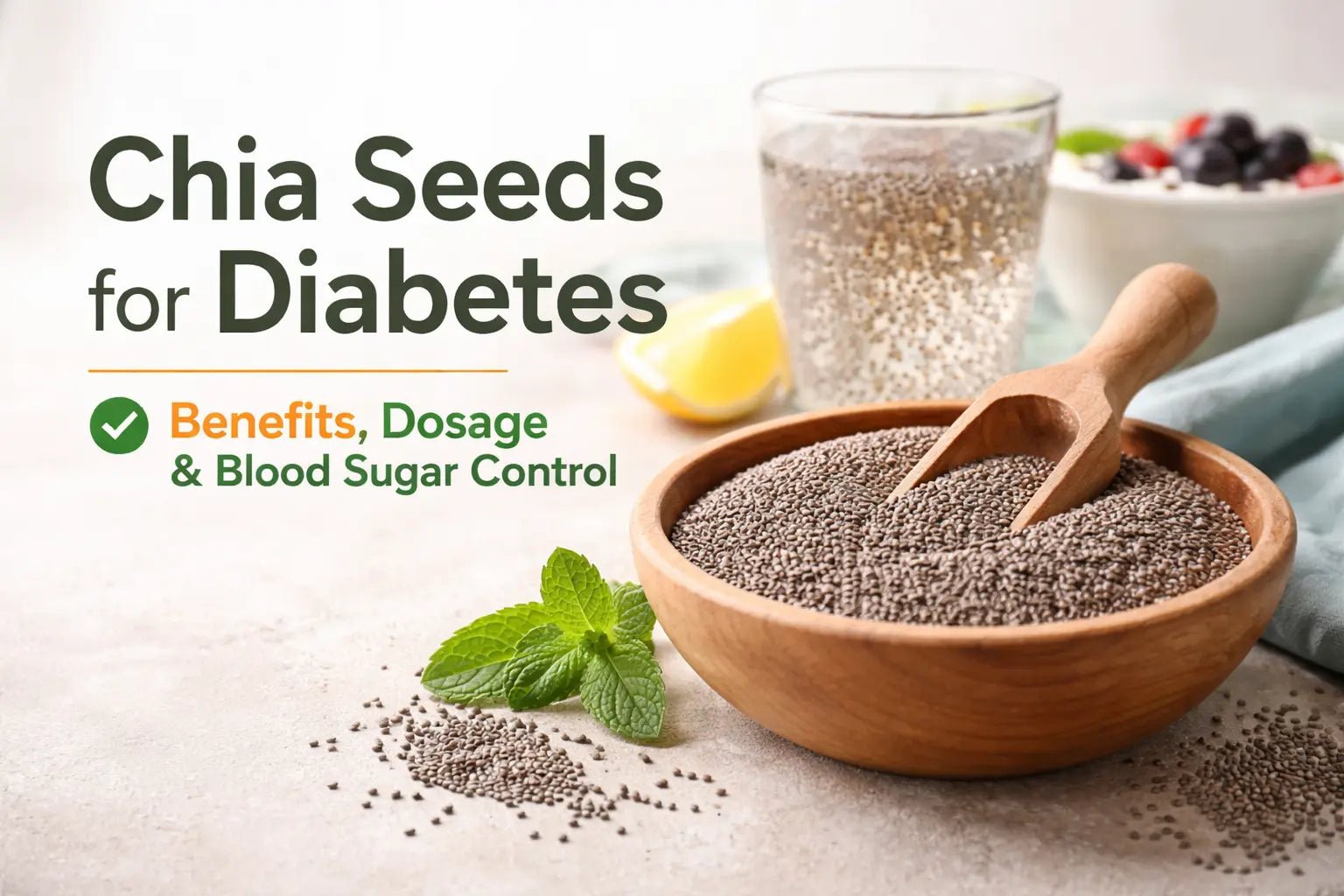
Direct Answer: Are Chia Seeds Good for Diabetes?
Yes, chia seeds are highly beneficial for people with diabetes. They have a very low glycemic index, are rich in soluble fiber, and help slow glucose absorption, reducing blood sugar spikes after meals.
Quick Summary:
- ✔️ Safe for diabetics (Type 2, prediabetes, gestational)
- ✔️ Helps control post-meal blood sugar
- ✔️ Improves insulin sensitivity
- ✔️ Supports weight management
- ✔️ Recommended intake: 1–2 tablespoons daily
Quick Facts About Chia Seeds & Diabetes
| Attribute |
Value |
| Glycemic Index |
~1–5 (Very Low) |
| Fiber (1 tbsp) |
~5g |
| Omega-3 (ALA) |
High |
| Effect on Blood Sugar |
Slows glucose absorption |
| Best For |
Type 2 Diabetes, Prediabetes |
| Daily Intake |
1–2 tbsp |
How Chia Seeds Affect Blood Sugar (Scientific Mechanism)
Chia seeds work through multiple biochemical and physiological pathways that directly impact glycemic control:
1. Soluble Fiber Gel Formation
Chia seeds absorb water and form a viscous gel matrix in the digestive tract. This:
- Slows gastric emptying
- Reduces carbohydrate digestion speed
- Delays glucose entry into the bloodstream
👉 Result: Lower postprandial (after-meal) blood glucose spikes
2. Improved Insulin Sensitivity
The combination of:
- Fiber
- Omega-3 fatty acids (ALA)
- Polyphenols
…helps reduce inflammation and improve insulin signaling pathways, which is critical in insulin resistance and Type 2 diabetes.
3. Reduced Glycemic Load of Meals
When chia seeds are added to meals:
- They dilute carbohydrate density
- Lower overall glycemic load
👉 This makes even moderate-carb meals safer for diabetics.
4. Gut Microbiota Modulation
Chia fiber acts as a prebiotic, supporting beneficial gut bacteria, which:
- Improve glucose metabolism
- Enhance metabolic health
✔️ 1. Blood Sugar Control
Clinical evidence suggests that high-fiber foods like chia seeds:
- Reduce fasting blood glucose
- Improve post-meal glucose response
✔️ 2. HbA1c Reduction (Long-Term Control)
Regular consumption of fiber-rich foods may help:
- Lower HbA1c levels over time
- Improve long-term glycemic control
✔️ 3. Weight Management (Critical for Type 2 Diabetes)
Chia seeds:
- Increase satiety
- Reduce calorie intake
- Support fat loss
👉 Weight loss improves insulin sensitivity significantly.
✔️ 4. Cardiovascular Protection
People with diabetes are at higher risk of heart disease. Chia seeds help:
- Lower LDL cholesterol
- Reduce inflammation
- Improve lipid profile
Best Ways to Use Chia Seeds for Diabetes
1. Soaked Chia Seeds (Recommended)
- Soak 1–2 tbsp in water for 20–30 minutes
- Forms gel → better digestion and safety
2. Chia Water (Morning Drink)
- 1 tbsp chia + 1 glass water + lemon
- Drink on empty stomach
👉 Helps control fasting blood sugar
3. Chia Pudding (Low-Carb Option)
- Chia + milk (almond/cow)
- Add nuts, cinnamon (blood sugar-friendly)
4. Add to Meals
- Yogurt
- Oats
- Smoothies
- Salads
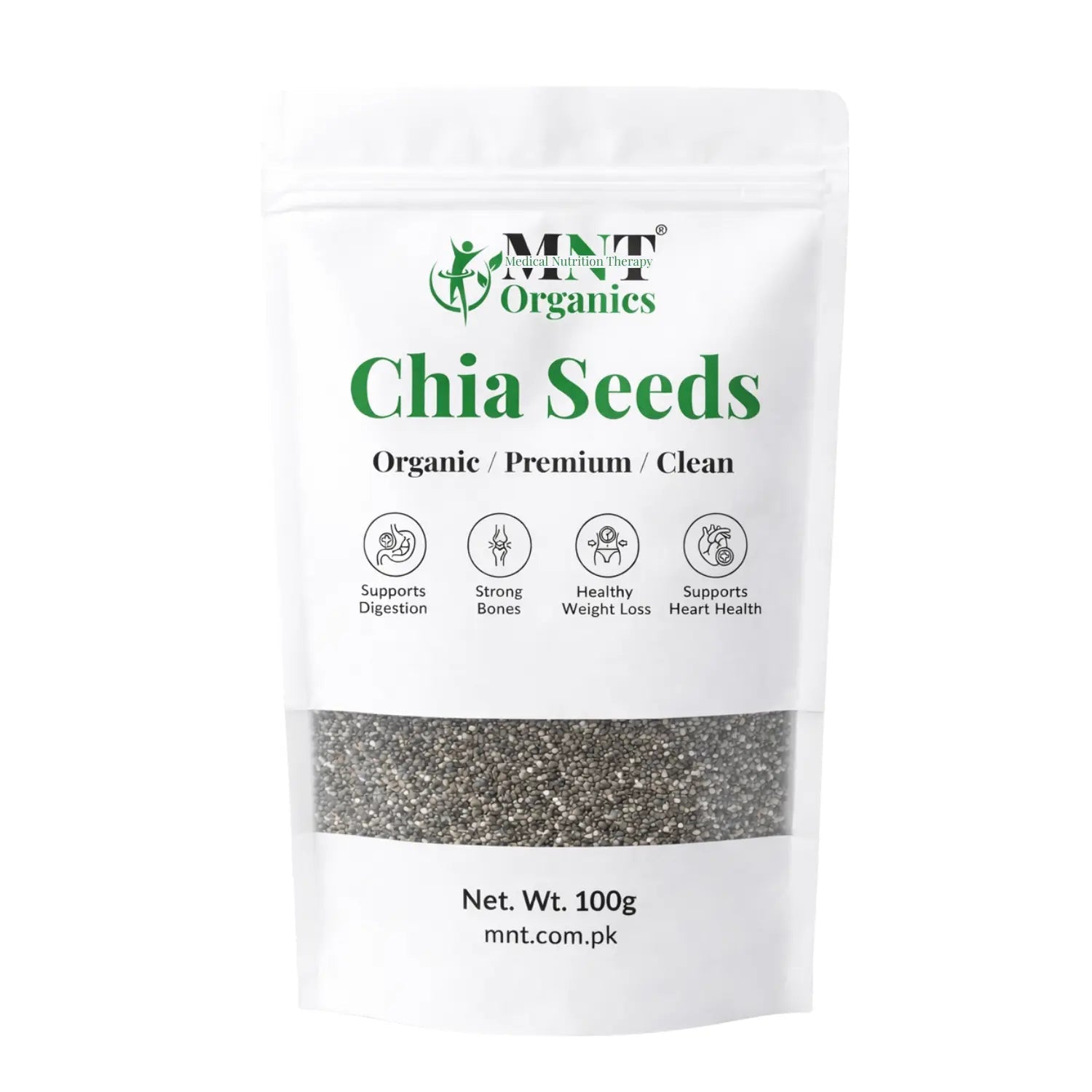
Use the Right Chia Seeds for Maximum Diabetes Control
Doctor Recommended
Not all chia seeds are equal. For diabetes, you need pure, high-fiber, gel-forming seeds to actually control blood sugar spikes.
✔️ High soluble fiber
✔️ Strong gel formation
✔️ Supports insulin sensitivity
✔️ Clean & chemical-free
📲 Personalized diabetes diet plan available via WhatsApp
👉 Tip: Combine with protein + healthy fats to further reduce glycemic spikes.
Best Time to Eat Chia Seeds for Diabetes
| Time |
Benefit |
| Morning (empty stomach) |
Improves fasting glucose |
| Before meals |
Reduces post-meal spikes |
| Night |
Controls appetite & weight |
👉 Best strategy: Take before meals for maximum glycemic control.
Recommended Dosage for Diabetics
- Standard intake: 1–2 tablespoons per day
- Start with: 1 tablespoon
- Increase gradually
Important:
- Always consume with adequate water
- Avoid dry consumption (choking risk)
Risks, Side Effects & Precautions
Chia seeds are generally safe, but consider:
Possible Side Effects
- Bloating (if taken in excess)
- Digestive discomfort (initial phase)
Safety Warnings
- ❗ Do not eat dry chia seeds alone
- ❗ Monitor blood sugar if on medication (risk of hypoglycemia)
Who Should Be Careful?
- People on diabetes medication
- Individuals with swallowing issues
Chia Seeds vs Other Seeds for Diabetes
| Seed |
Fiber |
Omega-3 |
Best For |
| Chia Seeds |
High |
High |
Blood sugar control |
| Flaxseeds |
High |
High |
Hormonal balance |
| Basil Seeds (Sabja) |
Moderate |
Low |
Cooling effect |
👉 Verdict: Chia seeds are best overall for glycemic control
Condition-Specific Benefits
Type 2 Diabetes
- Improves insulin resistance
- Reduces glucose spikes
Prediabetes
- Helps prevent progression to diabetes
- Improves metabolic markers
Gestational Diabetes
- Safe in moderate amounts
- Helps control blood sugar naturally
👉 Particularly useful in maternal nutrition protocols
Insulin Resistance
- Supports better glucose uptake
- Reduces inflammation
Chia Seeds in Pakistan: Practical Guide
Availability
- Easily available in local markets and online stores
Price Range
- PKR 1,500–4,000 per kg (quality dependent)
How to Identify Pure Chia Seeds
- Black/white seeds (uniform color)
- No dust or impurities
- Absorbs water quickly (gel formation test)
How to Use in Pakistani Diet
- Add to lassi
- Mix in dahi (yogurt)
- Sprinkle over roti with curry
- Use in desi smoothies
Myths vs Facts
| Myth |
Reality |
| Chia seeds cure diabetes |
❌ No, they only help manage it |
| They lower sugar instantly |
❌ Effect is gradual |
| More is better |
❌ Excess can cause issues |
FAQs
Can diabetics eat chia seeds daily?
Yes, diabetics can safely consume 1–2 tablespoons daily. Regular intake helps improve blood sugar control and supports overall metabolic health.
Do chia seeds lower HbA1c?
Chia seeds may help reduce HbA1c levels over time due to their high fiber content and ability to improve glycemic control.
Can chia seeds replace diabetes medication?
No, chia seeds cannot replace medication. They should be used as a supportive dietary addition, not a treatment substitute.
Are chia seeds better than oats for diabetes?
Chia seeds are generally better for blood sugar control because they have a lower glycemic index and higher fiber density compared to oats.
How long does it take for chia seeds to show results?
Improvements in blood sugar control may be seen within 2–4 weeks of consistent use along with a healthy diet.
Conclusion: Should You Use Chia Seeds for Diabetes?
Chia seeds are a powerful, evidence-backed functional food for diabetes management. Their ability to:
- Slow glucose absorption
- Improve insulin sensitivity
- Support weight control
makes them an excellent daily addition for people managing blood sugar levels.
👉 Action Step:
Start with 1 tablespoon daily, preferably before meals, and monitor your response.