



Biryani Calories: How Many Calories Are in 1 Plate Biryani? Chicken, Mutton, Beef & Weight Loss Guide
A complete guide to biryani calories, including calories in 1 plate chicken, beef, mutton, and vegetable biryani. Learn how portion size, oil, and ingredients affect calories and how to enjoy biryani during weight loss.
How Many Calories Are in Biryani?
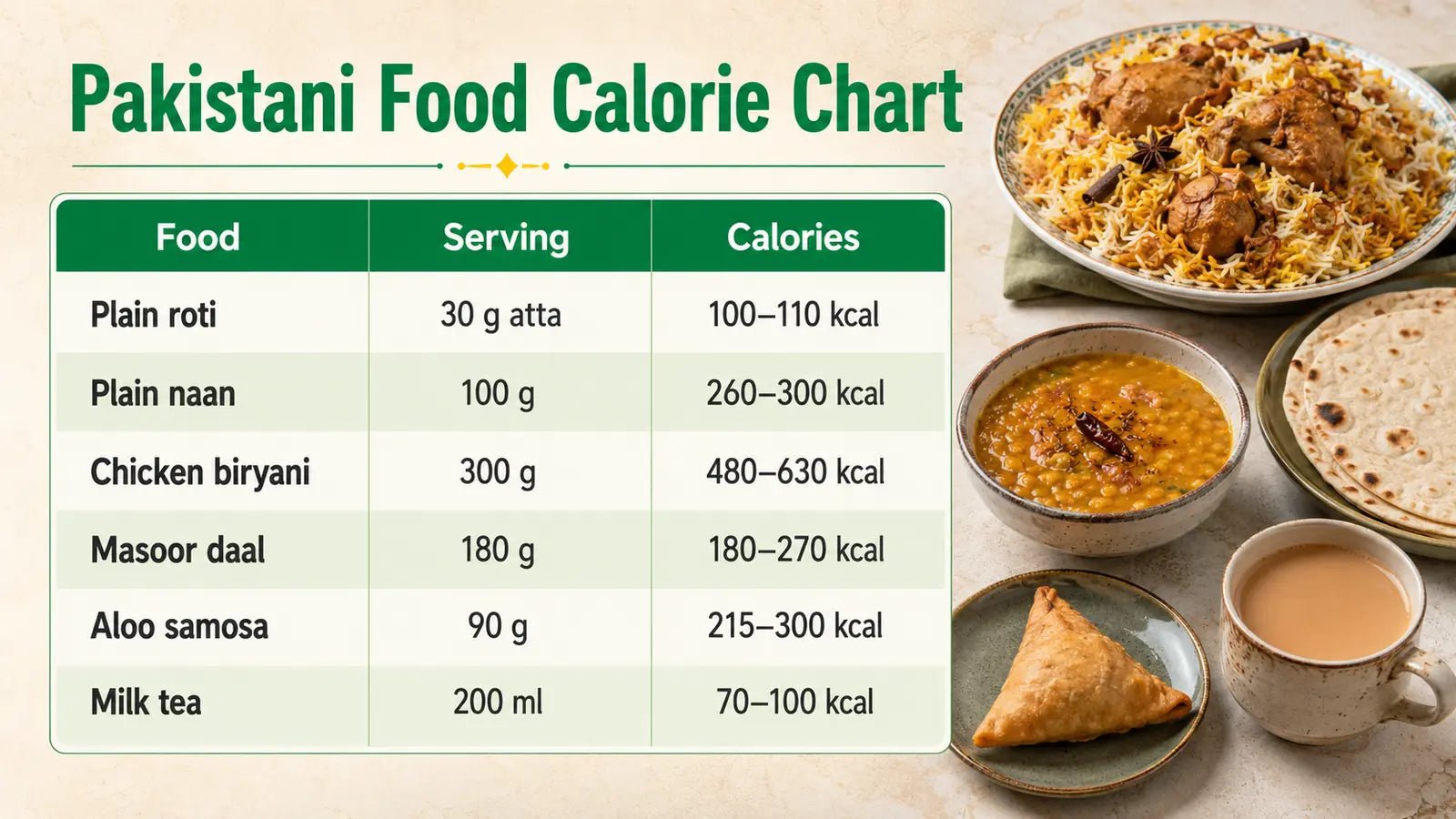
A typical 1 plate biryani contains around 600–800 calories, depending on the serving size, amount of oil, type of meat, and cooking method. A standard plate of chicken biryani contains approximately 600–700 calories, while beef and mutton biryani may contain 700–900 calories because they usually contain more fat. Homemade biryani prepared with less oil may have fewer calories compared with restaurant-style biryani.
The exact calories in biryani depend mainly on:
- Quantity of rice
- Amount of oil or ghee used
- Type of meat (chicken, beef, mutton, fish)
- Portion size
- Cooking style
For people tracking calories for weight loss, weight management, diabetes control, or fitness goals, understanding the calories in a plate of biryani can help maintain a balanced diet without completely avoiding favorite foods.
Quick Biryani Calories Chart
| Type of Biryani | Serving Size | Approximate Calories |
|---|---|---|
| Chicken Biryani | 1 plate (300–400g) | 600–700 kcal |
| Beef Biryani | 1 plate (300–400g) | 700–850 kcal |
| Mutton Biryani | 1 plate (300–400g) | 750–900 kcal |
| Vegetable Biryani | 1 plate (300–400g) | 450–600 kcal |
| Homemade Chicken Biryani | 1 plate | 500–650 kcal |
Note: Calories can vary depending on the recipe, oil quantity, rice portion, and serving size.
Calories in 1 Plate Biryani
The most common question people search is:
"How many calories are in 1 plate biryani?"
A normal plate of biryani contains approximately:
600–800 calories
However, the calories can be different depending on the type of biryani.
| Plate Size | Estimated Calories |
|---|---|
| Small plate biryani | 400–500 kcal |
| Medium plate biryani | 600–700 kcal |
| Large plate biryani | 800–1000 kcal |
A "plate" is not a fixed measurement. A restaurant plate may contain much more rice compared with a homemade serving. Therefore, measuring biryani by weight (grams) gives a more accurate calorie estimate.
Calories in One Plate of Chicken Biryani
Chicken biryani is one of the most searched varieties of biryani calories.
A typical 1 plate chicken biryani contains around 600–700 calories.
The calorie content depends on:
- Chicken quantity
- Rice amount
- Oil used during cooking
- Fried onions and toppings
- Cooking style
Chicken Biryani Calories by Quantity
| Amount of Chicken Biryani | Calories |
|---|---|
| 100g chicken biryani | 170–220 kcal |
| 200g chicken biryani | 350–450 kcal |
| 250g chicken biryani | 400–550 kcal |
| 500g chicken biryani | 850–1100 kcal |
| 1 kg chicken biryani | 1700–2200 kcal |
| 1 plate chicken biryani | 600–700 kcal |
Why Chicken Biryani Calories Vary
Two plates of chicken biryani may have different calories because one may contain more rice and oil while another may contain more chicken.
For example:
- A homemade chicken biryani with controlled oil may contain fewer calories.
- Restaurant chicken biryani usually contains more calories because of extra oil, ghee, and larger portions.
Calories in Beef Biryani
Beef biryani usually contains more calories than chicken biryani because beef generally has a higher fat content.
A typical 1 plate beef biryani contains around 700–850 calories.
Beef Biryani Calories by Quantity
| Amount | Calories |
|---|---|
| 100g beef biryani | 200–250 kcal |
| 250g beef biryani | 500–650 kcal |
| 500g beef biryani | 900–1200 kcal |
| 1 plate beef biryani | 700–850 kcal |
The calorie content increases when:
- Fatty beef cuts are used
- More oil or ghee is added
- Larger portions are served
Calories in Mutton Biryani
Mutton biryani is usually higher in calories because mutton contains more fat compared with lean chicken.
A typical 1 plate mutton biryani contains approximately 750–900 calories.
Mutton Biryani Calories by Quantity
| Amount | Calories |
|---|---|
| 100g mutton biryani | 220–280 kcal |
| 250g mutton biryani | 550–700 kcal |
| 500g mutton biryani | 1000–1300 kcal |
| 1 plate mutton biryani | 750–900 kcal |
People who are trying to lose weight can still eat mutton biryani occasionally by controlling portion size and balancing their total daily calorie intake.
Calories in Vegetable Biryani
Vegetable biryani is often considered a lighter option, but its calories depend on the amount of oil, rice, and vegetables used.
A typical plate of vegetable biryani contains:
450–600 calories
Vegetable Biryani Calories
| Quantity | Calories |
|---|---|
| 100g vegetable biryani | 130–180 kcal |
| 250g vegetable biryani | 350–450 kcal |
| 500g vegetable biryani | 650–900 kcal |
| 1 plate vegetable biryani | 450–600 kcal |
Adding vegetables can increase fiber, but the rice and oil remain the main calorie sources.
Biryani Calories Per 100g
Many people search:
- "biryani calories 100g"
- "calories in 100 gm biryani"
- "chicken biryani calories per 100g"
The average calories per 100g are:
| Type of Biryani | Calories per 100g |
|---|---|
| Chicken biryani | 170–220 kcal |
| Beef biryani | 200–250 kcal |
| Mutton biryani | 220–280 kcal |
| Vegetable biryani | 130–180 kcal |
Calculating calories by weight is more accurate because "one plate" can mean different serving sizes for different people.
Biryani Calories by Weight
Calories in 250g Biryani
A 250g serving of biryani usually contains:
400–600 calories
Calories in 500g Biryani
A 500g serving of biryani usually contains:
850–1200 calories
Calories in 1kg Biryani
One kilogram of biryani contains approximately:
1700–2400 calories
The final calorie value depends on:
- Meat type
- Oil quantity
- Rice-to-meat ratio
Biryani Nutrition Facts: What Makes Biryani High in Calories?
Biryani is a complete meal that contains carbohydrates, protein, and fat, but the calorie content can become high because of the combination of large amounts of rice, cooking oil/ghee, and meat.
The calories in biryani mainly come from three macronutrients:
- Carbohydrates: Mainly from basmati rice
- Protein: Mainly from chicken, beef, mutton, eggs, or other meat
- Fat: Mainly from oil, ghee, meat fat, and fried toppings
A typical plate of biryani provides energy along with important nutrients, but portion size plays a major role in determining whether it fits into a healthy diet.
Nutrition Facts of 1 Plate Chicken Biryani
Approximate nutrition values for one medium plate (300–400g) chicken biryani:
| Nutrient | Approximate Amount |
|---|---|
| Calories | 600–700 kcal |
| Carbohydrates | 80–100g |
| Protein | 25–35g |
| Fat | 15–30g |
| Fiber | 2–5g |
Note: Nutrition values change depending on the recipe, oil quantity, chicken amount, and serving size.
Why Does Biryani Have So Many Calories?
Many people wonder:
"Why are biryani calories so high?"
The answer is mainly related to the ingredients and cooking process.
1. Rice Provides Most of the Calories
Rice is the largest ingredient in biryani. Cooked rice is mainly a source of carbohydrates.
Carbohydrates provide:
4 calories per gram
A large serving of rice can significantly increase the total calories of a biryani plate.
2. Oil and Ghee Increase Calories Quickly
Oil and ghee are calorie-dense ingredients.
Fat provides:
9 calories per gram
Traditional biryani recipes often use oil, ghee, or butter for:
- Frying onions
- Cooking meat
- Adding flavor
- Improving texture
Even a small increase in oil can significantly increase total calories.
3. Meat Type Changes Calories
The protein source affects the calorie content.
Generally:
Chicken biryani < Beef biryani < Mutton biryani
because fatty meats contain more fat and therefore more calories.
However, the final calorie amount depends on:
- Meat cut
- Amount of fat
- Portion size
4. Restaurant Biryani Usually Has More Calories
Restaurant biryani often contains more calories because it may include:
- More oil or ghee
- Larger rice portions
- Fried onions
- Extra cooking fat
- Bigger serving sizes
A restaurant plate can contain significantly more calories compared with homemade biryani.
Is Biryani Good for Weight Loss?
Yes, biryani can be included in a weight loss diet, but portion control and total daily calorie intake are important.
Weight loss depends on maintaining a calorie deficit, which means consuming fewer calories than your body uses.
You do not need to completely avoid biryani during weight loss. Instead, focus on:
- Eating an appropriate portion
- Controlling total daily calories
- Choosing lean protein
- Balancing your other meals
How to Eat Biryani During Weight Loss
If you are trying to lose weight but enjoy biryani, these strategies can help:
1. Control Portion Size
Instead of eating a large plate, choose:
- Half plate biryani
- Smaller serving
- Measured portion based on your calorie goal
2. Choose Chicken Over Fatty Meat Options
Chicken biryani is usually lower in calories compared with:
- Mutton biryani
- Beef biryani
especially when prepared with less oil.
3. Add Salad or Vegetables
Pairing biryani with:
- Salad
- Vegetables
- Raita
can improve fullness and help control overall food intake.
4. Avoid High-Calorie Drinks
A common mistake is adding extra calories through:
- Soft drinks
- Sweet beverages
- Desserts
A biryani meal with sugary drinks can become much higher in calories.
How to Make Biryani Lower in Calories?
You can reduce biryani calories without removing its taste.
Healthier Biryani Cooking Tips:
Use Less Oil
Reducing oil is one of the easiest ways to lower calories.
Choose Lean Meat
Use:
- Skinless chicken
- Lean meat cuts
instead of high-fat options.
Increase Vegetables
Adding vegetables can improve:
- Fiber content
- Nutrient value
- Satiety
Control Rice Portion
Rice is the biggest calorie contributor, so portion control matters.
Avoid Excess Fried Toppings
Fried onions and extra ghee can significantly increase calories.
How Many Calories Do You Burn After Eating Biryani?
A common question is:
"How can I burn calories after eating biryani?"
The calories burned depend on:
- Body weight
- Activity level
- Exercise intensity
- Duration
Approximate calorie burn for a 70 kg person:
| Activity | Time | Calories Burned |
|---|---|---|
| Walking (brisk pace) | 60 minutes | 250–350 kcal |
| Cycling | 45 minutes | 300–400 kcal |
| Jogging | 30 minutes | 300–400 kcal |
However, exercise should not be viewed as a way to "cancel" individual foods. Long-term weight management depends on your overall eating pattern and lifestyle.
Homemade Biryani vs Restaurant Biryani Calories
The same type of biryani can have different calories depending on preparation.
| Type | Expected Calories |
|---|---|
| Homemade chicken biryani | 500–650 kcal per plate |
| Restaurant chicken biryani | 600–900+ kcal per plate |
Restaurant versions are often higher because of:
- Extra oil
- Larger portions
- More fried ingredients
- Richer cooking methods
Is Biryani Healthy?
Biryani can be part of a healthy diet when eaten in moderation.
A balanced biryani meal can provide:
Protein
From chicken, beef, mutton, or other protein sources.
Energy
From rice carbohydrates.
Micronutrients
From spices, vegetables, and ingredients.
However, frequent consumption of large portions may contribute to excessive calorie intake, especially when combined with a sedentary lifestyle.
Expert Nutrition Advice
From a nutrition perspective, no single food automatically causes weight gain or weight loss. The overall balance between calorie intake, physical activity, and dietary habits determines body weight changes.
A person who enjoys biryani can still achieve weight loss goals by:
- Maintaining a calorie deficit
- Managing portions
- Choosing balanced meals
- Following a sustainable eating pattern
A registered dietitian can help create a personalized nutrition plan based on your goals, medical conditions, and lifestyle.
Frequently Asked Questions About Biryani Calories
One plate of biryani contains approximately 600–800 calories, depending on the type, portion size, and cooking method.
One plate chicken biryani contains around 600–700 calories.
500g chicken biryani contains approximately 850–1100 calories.
Yes, biryani can be high in calories because it contains rice, oil/ghee, and sometimes fatty meat. However, portion control can make it suitable for a balanced diet.
Yes. Biryani can be included during weight loss if your total daily calorie intake remains within your weight loss target.
Vegetable biryani and homemade chicken biryani prepared with less oil are usually lower in calories compared with beef or mutton biryani.
Half plate biryani usually contains around 300–500 calories, depending on the serving size and ingredients.
Homemade chicken biryani generally contains around 500–650 calories per plate, depending on oil and portion size.
Final Summary: Biryani Calories at a Glance
- 1 plate biryani: 600–800 calories
- 1 plate chicken biryani: 600–700 calories
- 1 plate beef biryani: 700–850 calories
- 1 plate mutton biryani: 750–900 calories
- 100g biryani: 130–280 calories depending on type
- 500g biryani: 850–1200 calories
- 1kg biryani: 1700–2400 calories
Biryani can be enjoyed as part of a healthy lifestyle when portion size, ingredients, and overall calorie intake are managed properly. For personalized weight loss or nutrition guidance, a registered dietitian can help create a plan according to your individual needs.
We rely on peer-reviewed studies and reputable medical journals.