

Pumpkin Seeds Benefits: Nutrition, Serving Size, Uses and Safety
Are Pumpkin Seeds Healthy? Quick Answer
Yes. Pumpkin seeds, also called pepitas or kaddu ke beej, are nutritious seeds that provide plant protein, unsaturated fats, fiber, magnesium, zinc, iron, phosphorus, and potassium.
These nutrients support normal muscle, nerve, bone, immune, and energy functions. Pumpkin seeds may also make meals more filling when eaten in a suitable portion or used instead of less nutritious snacks.
For many healthy adults, a practical serving is about 20 to 30 grams, or approximately 1 to 2 tablespoons. However, pumpkin seeds are calorie dense, so eating large portions may add more calories than expected.
Pumpkin seeds are a food, not a medicine. They do not cure diabetes, PCOS, infertility, hormonal disorders, heart disease, prostate disease, insomnia, or hair loss. Evidence for disease specific benefits is limited in several areas and may apply to pumpkin seed oil or extracts rather than ordinary whole seeds.
Key Points
- Pumpkin seeds provide magnesium, zinc, plant protein, healthy fats, fiber, iron, and phosphorus.
- A measured serving of 20 to 30 grams is practical for many adults.
- Unsalted raw or lightly roasted seeds are usually easier to fit into a balanced diet.
- Whole seeds, shelled kernels, pumpkin seed oil, and pumpkin seed extracts are different products.
- Pumpkin seeds may support overall diet quality, but they are not a replacement for medical treatment.
- Large portions may cause digestive discomfort and unwanted extra calorie intake.
- People with kidney disease, food allergies, swallowing problems, or a medically restricted diet may need individual advice.
What Are Pumpkin Seeds?
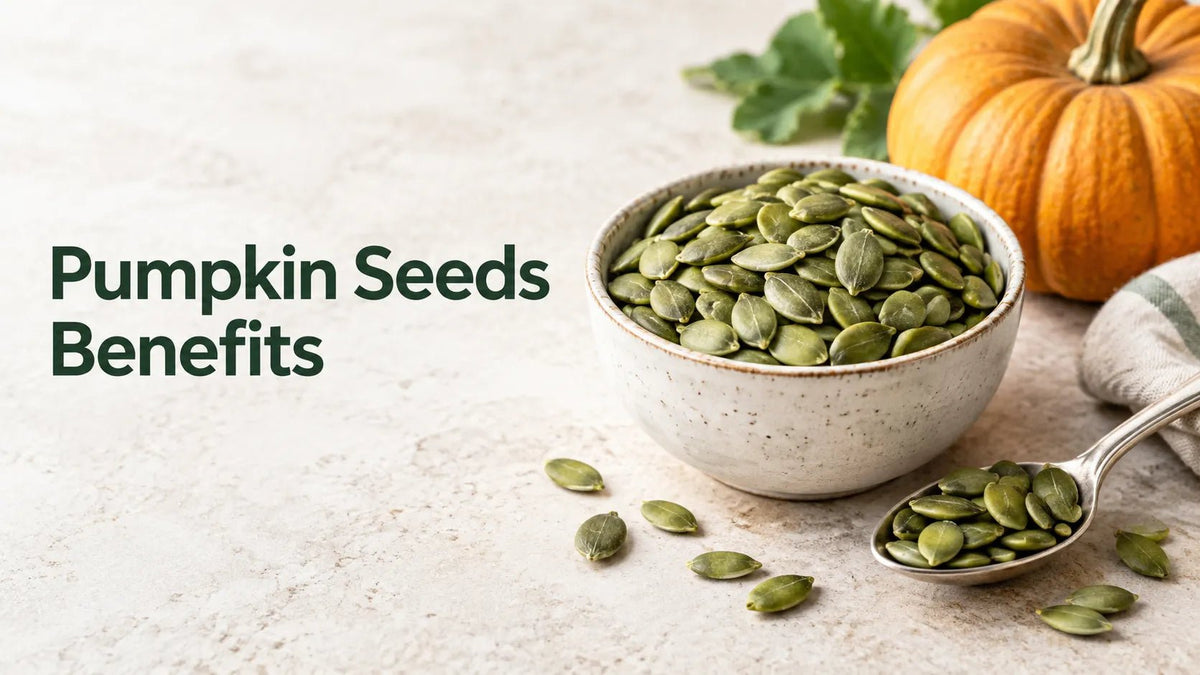
Pumpkin seeds are the edible seeds found inside pumpkins and other squash varieties. In Pakistan, they are commonly called kaddu ke beej or کدو کے بیج.
The term pepitas usually refers to pumpkin seed kernels with the hard outer shell removed. They are often green, flat, and easy to add to meals.
Pumpkin seeds can be sold in several forms:
| Form | Description |
|---|---|
| Whole pumpkin seeds | Seeds with the outer white shell still attached |
| Shelled pumpkin seeds | Green kernels with the hard shell removed |
| Raw pumpkin seeds | Not roasted and usually without added oil or salt |
| Roasted pumpkin seeds | Heated for a crunchier texture and stronger flavor |
| Pumpkin seed oil | Oil pressed from pumpkin seeds |
| Pumpkin seed extract | A concentrated product used in some studies and supplements |
These forms should not be treated as nutritionally or medically identical. Research on pumpkin seed oil or extracts does not automatically prove the same effect from a normal serving of whole seeds.
Pumpkin Seeds Nutrition Facts
The following values are approximate for 28.35 grams of raw, unsalted pumpkin seed kernels. Nutrition can change depending on the variety, moisture, shell, roasting method, added oil, and salt.
| Nutrient | Approximate amount per 28.35 grams |
|---|---|
| Energy | 157 calories |
| Protein | 8.5 grams |
| Total fat | 11.3 grams |
| Carbohydrate | 5.3 grams |
| Dietary fiber | 1.4 grams |
| Magnesium | 142 milligrams |
| Zinc | 1.8 milligrams |
| Iron | 2.4 milligrams |
| Phosphorus | 326 milligrams |
| Potassium | 196 milligrams |
| Calcium | 10 milligrams |
| Sodium | Less than 1 milligram |
Source: USDA FoodData Central, raw pumpkin seed kernels
A different product form may show different values. For example, the NIH Office of Dietary Supplements lists approximately 156 milligrams of magnesium and 2.2 milligrams of zinc in 1 ounce of roasted pumpkin seeds. Always use the nutrition label for the exact product you are eating.
What Nutrients Do Pumpkin Seeds Provide?
Magnesium
Magnesium helps support normal muscle and nerve function, energy production, bone structure, blood glucose regulation, and blood pressure regulation. It is involved in more than 300 enzyme systems in the body.
Pumpkin seeds can contribute magnesium to the diet, but eating them does not create a special medical effect. Other useful magnesium sources include beans, lentils, whole grains, leafy vegetables, nuts, and other seeds.
Read more from the NIH Office of Dietary Supplements magnesium fact sheet.
Zinc
Zinc supports immune function, wound healing, cell growth, DNA production, and normal reproductive function.
Pumpkin seeds contain zinc, but zinc from plant foods may be absorbed less efficiently than zinc from some animal foods because plant foods can contain phytates. This does not make pumpkin seeds unhealthy. It simply means that diet variety and preparation matter.
Read more from the NIH Office of Dietary Supplements zinc fact sheet.
Protein
A 28 gram serving provides about 8.5 grams of protein. Pumpkin seeds can add protein to oats, yogurt, salads, smoothies, soups, and snack mixes.
They are not a complete meal by themselves. Combine them with other foods such as vegetables, fruit, whole grains, legumes, dairy foods, eggs, or another protein source.
Unsaturated fats
Pumpkin seeds provide mostly unsaturated fats. These fats can fit into a heart healthy eating pattern when they replace foods that are high in saturated fat, added sugar, or refined carbohydrates.
The benefit comes from the overall eating pattern. Pumpkin seeds alone do not treat high cholesterol or heart disease.
Fiber
Pumpkin seeds provide dietary fiber, although the amount varies between shelled and whole seeds. Whole seeds with the outer shell may contain more fiber than shelled kernels.
Fiber supports bowel regularity and can contribute to fullness. Increasing fiber quickly may cause gas, bloating, or changes in bowel habits.
Evidence Based Benefits of Pumpkin Seeds
1. They can improve nutrient intake
The clearest benefit of pumpkin seeds is their nutrient content. A small serving can add protein, magnesium, zinc, iron, phosphorus, potassium, and unsaturated fats to a meal.
This is especially useful when pumpkin seeds replace a less nutritious snack or improve a meal that lacks protein and minerals.
2. They support normal muscle and nerve function
The magnesium in pumpkin seeds contributes to normal muscle and nerve function. Magnesium also supports energy production and normal heart rhythm.
This does not prove that pumpkin seeds prevent muscle cramps, nerve disease, or heart problems. Persistent cramps, weakness, abnormal heartbeats, or numbness should be assessed by a healthcare professional.
3. They can support immune and tissue functions
Zinc contributes to immune function, cell division, protein production, and wound healing.
Eating pumpkin seeds may help increase dietary zinc intake. However, pumpkin seeds should not replace medical care for infections, slow wound healing, suspected zinc deficiency, or other health problems.
4. They may help make meals more filling
The combination of protein, fat, fiber, and texture may help a meal feel more satisfying.
This may be useful when a measured portion of pumpkin seeds replaces biscuits, fried snacks, sweets, or other highly processed foods. Simply adding several handfuls to your usual meals may increase total calorie intake.
5. They can fit a heart healthy eating pattern
Unsalted pumpkin seeds contain unsaturated fats and magnesium. They can be included in a dietary pattern that also contains vegetables, fruit, legumes, whole grains, fish, dairy foods, and other protein sources.
There is not enough evidence to say that ordinary pumpkin seeds lower cholesterol or blood pressure by themselves. Do not replace prescribed blood pressure or cholesterol treatment with pumpkin seeds.
6. They may affect after meal blood glucose
One small randomized crossover study examined 15 adults with normal blood glucose. Participants ate a mixed meal with 65 grams of pumpkin seeds on one test day. The pumpkin seed meal produced a lower after meal glucose response than the control meal.
This was a small, short term study in people without diabetes. It does not prove that pumpkin seeds prevent diabetes, improve long term insulin sensitivity, or replace diabetes medicine. The researchers also stated that longer studies were needed.
Read the randomized clinical trial on pumpkin seeds and after meal glucose.
7. They have been studied for prostate and urinary symptoms
Some studies have examined pumpkin seeds, pumpkin seed oil, or pumpkin seed extracts in men with urinary symptoms related to benign prostatic hyperplasia, also called BPH.
In the one year GRANU study, 1,431 men were assigned to pumpkin seeds, pumpkin seed extract, or placebo. The whole pumpkin seed group showed a clinically relevant reduction in urinary symptom scores compared with placebo. The extract group did not differ from placebo for the main response measure. The researchers stated that further evidence was needed before pumpkin seeds could be recommended as a treatment for moderate urinary symptoms.
This means pumpkin seeds may be studied as part of supportive nutrition, but they should not be promoted as a treatment for an enlarged prostate. Men with frequent urination, blood in the urine, pain, difficulty urinating, or a weak urine stream should seek medical advice.
8. They may support sleep related nutrition
Pumpkin seeds contain magnesium and other nutrients involved in normal nervous system function. Some people enjoy eating them as part of an evening snack.
However, ordinary pumpkin seeds have not been proven to treat insomnia or guarantee better sleep. Persistent sleep problems may be linked to stress, pain, medication, breathing problems, depression, or another health condition.
9. They can contribute to bone nutrition
Pumpkin seeds provide magnesium and phosphorus, which are involved in bone structure and normal body functions.
Bone health also depends on adequate calcium, vitamin D, protein, physical activity, hormones, age, and medical conditions. Pumpkin seeds should not be presented as a treatment for osteoporosis.
Pumpkin Seeds for Common Health Goals
Pumpkin seeds for weight loss
Pumpkin seeds can fit a weight loss diet when the portion is measured and the seeds replace a higher calorie or less nutritious snack.
A useful serving for many adults is 20 to 30 grams. Avoid eating directly from a large packet because several handfuls can add hundreds of calories.
Pumpkin seeds do not burn fat. Weight loss depends on total calorie intake, food quality, physical activity, sleep, stress, medical conditions, and long term habits.
Pumpkin seeds for weight gain
Pumpkin seeds can help add calories and protein to a weight gain plan because they are energy dense.
Add a measured portion to oats, yogurt, smoothies, milkshakes, rice dishes, homemade granola, or snack mixes. For healthy weight gain, combine them with other foods such as milk, yogurt, fruit, oats, dates, legumes, eggs, or nut butter.
Pumpkin seeds for diabetes
Many people with diabetes can include a small portion of plain or unsalted pumpkin seeds in a balanced meal plan.
Choose a measured serving and consider the total meal. Avoid sugary coatings and check the sodium content of flavored products.
Pumpkin seeds do not treat diabetes and should not replace prescribed medicine, glucose monitoring, or professional diabetes care.
Pumpkin seeds for PCOS
Pumpkin seeds can provide protein, magnesium, zinc, and unsaturated fats within a balanced eating pattern for someone with PCOS.
Seed cycling commonly involves eating pumpkin seeds and flaxseeds during one part of the menstrual cycle, followed by sunflower seeds and sesame seeds during another part. However, seed cycling has not been established as a treatment for PCOS, infertility, irregular periods, or hormone disorders.
A PCOS nutrition plan should consider symptoms, blood glucose, medications, body weight, food preferences, and other health needs.
Pumpkin seeds for women
Pumpkin seeds can support general nutrition for women by providing magnesium, zinc, iron, protein, and unsaturated fats.
They do not provide a special universal benefit for every woman. Heavy menstrual bleeding, fatigue, infertility, hormonal symptoms, or suspected nutrient deficiency require proper assessment.
Pumpkin seeds for men
Pumpkin seeds provide zinc and protein, which contribute to normal nutrition and reproductive function.
They are not a guaranteed testosterone booster, fertility treatment, or prostate treatment. Research on pumpkin seed products may not apply to ordinary food portions.
Pumpkin seeds for hair growth
There is not enough reliable evidence to claim that eating ordinary pumpkin seeds causes hair growth or prevents hair loss.
Hair loss may be related to genetics, iron deficiency, thyroid problems, hormonal conditions, illness, stress, medication, or other causes. It should be assessed when it is sudden, severe, or persistent.
Pumpkin seeds for sleep
Pumpkin seeds contain magnesium, but eating them before bed is not a proven treatment for insomnia.
You can eat them at any time of day. Choose the timing that fits your meals and digestion.
How Many Pumpkin Seeds Should You Eat Per Day?
For many healthy adults, 20 to 30 grams per day is a practical serving. This is roughly 1 to 2 tablespoons, although spoon measurements vary by seed size and form.
A 28 gram serving provides approximately 157 calories when using the raw kernel values listed above.
You may need a smaller or individualized portion if you:
- Are trying to lose weight
- Have digestive discomfort after eating seeds
- Have diabetes and need help planning meals
- Have kidney disease
- Need to limit phosphorus or potassium
- Have a food allergy
- Have difficulty swallowing
- Are pregnant and have a medical condition affecting nutrition
A serving of pumpkin seeds is a food portion, not a medical dose.
Raw Versus Roasted Pumpkin Seeds
Raw pumpkin seeds
Raw seeds can be added to smoothies, yogurt, oats, salads, baking recipes, and homemade snack mixes.
Choose a fresh product and store it carefully because the natural fats can develop a stale taste over time.
Lightly roasted pumpkin seeds
Lightly roasted seeds have a stronger flavor and crunchier texture. They can be used as a snack or added to salads, soups, rice dishes, yogurt, and porridge.
Roasting may change the nutrient values slightly, but the main practical concern is often the amount of added salt, sugar, or oil.
Salted or oil roasted pumpkin seeds
Salted products may contain much more sodium than plain seeds. Oil roasted products may provide extra calories.
Read the ingredient list and nutrition label. Choose unsalted or lightly salted varieties when appropriate.
There is no single form that is healthiest for everyone. The best option depends on taste, digestion, health needs, and portion size.
Do Pumpkin Seeds Need to Be Soaked?
No. Soaking is not necessary for most people to enjoy pumpkin seeds.
Soaking may soften the seeds and may reduce some phytate during preparation. However, claims that soaking dramatically unlocks all minerals or makes pumpkin seeds medically superior are not well established.
If you enjoy soaked or sprouted seeds, use clean water, avoid leaving them at unsafe temperatures, and consume or refrigerate them promptly.
Whole Seeds Versus Shelled Kernels
Whole seeds include the outer shell, while shelled kernels are the green inner seed.
Whole seeds may provide more fiber, but the outer shell is harder to chew and may cause discomfort if eaten in large amounts. Shelled kernels are easier to chew, blend, and add to meals.
Nutrition values depend on the edible portion and the specific product. Do not compare a nutrition label for shelled kernels directly with one for whole shell on seeds without checking the serving details.
Best Ways to Eat Pumpkin Seeds
- Sprinkle them over oats, porridge, or yogurt.
- Add them to salads, soups, daal, raita, or rice bowls.
- Blend a small portion into a smoothie.
- Mix them with fruit for a snack.
- Add them to homemade granola.
- Use them in breads, muffins, or other baking recipes.
- Grind them into a meal topping or homemade seed mix.
- Add unsalted seeds to a balanced post exercise meal.
Pumpkin seeds should add to a varied diet. They should not replace vegetables, fruit, legumes, whole grains, or other protein foods.
Pumpkin Seeds Side Effects and Safety
Pumpkin seeds are generally safe for most people when eaten in moderate portions. Possible concerns include the following.
Digestive discomfort
Large portions may cause gas, bloating, abdominal discomfort, constipation, or changes in bowel habits.
If you are not used to high fiber foods, begin with a small portion and increase gradually. Drink enough fluids unless a healthcare professional has advised fluid restriction.
Extra calories
Pumpkin seeds are energy dense. Eating several handfuls can make weight management more difficult.
Measure a portion instead of eating directly from a large packet.
Added salt
Salted pumpkin seeds may contain substantial sodium. People managing high blood pressure, heart disease, or kidney disease may need to choose unsalted products.
Food allergy
Pumpkin seed allergy is possible. Symptoms may include:
- Itching or tingling in the mouth
- Hives or a skin rash
- Swelling of the lips, face, tongue, or throat
- Vomiting, diarrhea, or abdominal cramps
- Coughing or wheezing
- Dizziness or difficulty breathing
Stop eating the food if an allergic reaction is suspected. Seek urgent medical care for breathing difficulty, throat swelling, severe dizziness, or symptoms of a serious reaction.
See the FDA food allergy guidance.
Choking risk
Whole seeds may be a choking risk for young children and may be difficult for people with swallowing problems.
Use an age appropriate texture for children. Ask a healthcare professional for advice if someone has a swallowing disorder.
Kidney disease and restricted diets
Pumpkin seeds contain phosphorus, potassium, magnesium, and calories. People with kidney disease may need to limit one or more of these nutrients depending on their condition and treatment plan.
Ask a doctor or registered dietitian how pumpkin seeds fit into your individual diet.
Pregnancy
Pumpkin seeds are a food and can often be included in a balanced pregnancy diet.
Pregnant people with food allergies, gestational diabetes, kidney disease, severe nausea, or another medical condition should seek individualized nutrition advice. Do not use seed cycling as a replacement for prenatal care.
Medicines and supplements
A normal food portion is different from a concentrated extract or supplement. If you take medicines for diabetes, blood pressure, kidney disease, or another condition, discuss large daily amounts or pumpkin seed supplements with your doctor or pharmacist.
Do not use pumpkin seeds to replace prescribed treatment.
How to Store Pumpkin Seeds
To protect freshness:
- Keep pumpkin seeds in a clean, airtight container.
- Store them away from heat, moisture, and direct sunlight.
- Keep the package sealed after opening.
- Refrigerate or freeze them when storing for a longer period.
- Check the expiry date and product instructions.
- Discard the seeds if they develop a bitter taste, stale smell, visible mould, or unusual appearance.
Hot weather can shorten the shelf life of seeds. Refrigeration after opening may help preserve freshness, especially when the package is stored in a warm environment.
How to Choose Pumpkin Seeds in Pakistan
When buying pumpkin seeds in Pakistan, check whether the product is:
- Raw or roasted
- Shelled or whole
- Salted or unsalted
- Plain or flavored
- Packed in a sealed, resealable package
- Clearly labeled with an expiry date
- Stored in a clean and dry condition
People may search for pumpkin seeds using terms such as:
- Kaddu ke beej
- کدو کے بیج
- Pepitas
- Pumpkin seed kernels
- Raw pumpkin seeds
- Roasted pumpkin seeds
- Shelled pumpkin seeds
For current product form, ingredients, price, availability, and delivery information, visit the MNT pumpkin seeds product page. Product details can change, so use the current product page for purchasing information.
Frequently Asked Questions
What are the main benefits of pumpkin seeds?
Pumpkin seeds provide plant protein, unsaturated fats, fiber, magnesium, zinc, iron, phosphorus, and potassium. They can improve the nutrient quality of meals when eaten in a suitable portion.
Are pumpkin seeds good for you every day?
Many healthy adults can eat a measured portion of plain or unsalted pumpkin seeds every day as part of a varied diet.
How many pumpkin seeds should I eat per day?
About 20 to 30 grams, or approximately 1 to 2 tablespoons, is a practical serving for many adults. Your best portion depends on your calorie needs, digestion, health condition, and total diet.
Are raw or roasted pumpkin seeds healthier?
Both raw and lightly roasted pumpkin seeds can fit into a healthy diet. Unsalted products are usually easier to fit into a lower sodium eating pattern.
Can pumpkin seeds help with weight loss?
They may help with fullness when used instead of less nutritious snacks. They do not burn fat, and large portions can increase calorie intake.
Can people with diabetes eat pumpkin seeds?
Many people with diabetes can include a small portion of plain pumpkin seeds in a balanced meal plan. Pumpkin seeds do not replace diabetes medicine or glucose monitoring.
Do pumpkin seeds lower blood sugar?
A small short term study found a lower after meal glucose response when 65 grams of pumpkin seeds were added to a meal in adults with normal blood glucose. This does not prove a long term benefit for people with diabetes.
Do pumpkin seeds help with PCOS?
Pumpkin seeds can provide useful nutrients, but they do not cure PCOS. Evidence for seed cycling remains limited, and it should not replace medical treatment.
Do pumpkin seeds improve sleep?
Pumpkin seeds contain magnesium, but ordinary pumpkin seeds are not proven to treat insomnia or improve sleep for everyone.
Do pumpkin seeds help hair growth?
There is not enough reliable evidence to claim that eating ordinary pumpkin seeds causes hair growth or prevents hair loss.
Do pumpkin seeds increase testosterone?
Pumpkin seeds provide zinc, which supports normal nutrition and reproductive function. They are not a guaranteed testosterone booster.
Are pumpkin seeds good for prostate health?
Some studies have examined pumpkin seeds and pumpkin seed products for urinary symptoms related to BPH. The evidence is limited, and pumpkin seeds should not replace medical evaluation or treatment.
Are pumpkin seeds safe during pregnancy?
Pumpkin seeds can often be included in a balanced pregnancy diet. Individual advice may be needed for food allergies, gestational diabetes, kidney disease, severe nausea, or another medical condition.
Can people with kidney disease eat pumpkin seeds?
Some people with kidney disease may need to limit phosphorus, potassium, magnesium, sodium, or calories. Ask your healthcare professional about the appropriate portion.
Can people with diverticulosis eat pumpkin seeds?
Current evidence does not support the old idea that nuts, seeds, or popcorn automatically cause diverticulitis. However, people with active symptoms, swallowing problems, bowel narrowing, or an individualized medical diet should follow their clinician’s advice.
What are pumpkin seeds called in Urdu?
Pumpkin seeds are commonly called کدو کے بیج, or kaddu ke beej, in Urdu and Roman Urdu.
Where can I buy pumpkin seeds in Pakistan?
You can check the current MNT pumpkin seeds product page for available forms, ingredients, price, and delivery information.
Get Personalised Nutrition Guidance
If you have diabetes, PCOS, kidney disease, a weight goal, digestive symptoms, or another health concern, an individualized plan can help you choose suitable portions and food combinations.
Book an online nutrition consultationThe Bottom Line
Pumpkin seeds are a nutrient dense food that provides magnesium, zinc, plant protein, unsaturated fats, fiber, iron, phosphorus, and potassium.
For many healthy adults, a serving of about 20 to 30 grams can fit into a balanced diet. Choose fresh raw or lightly roasted seeds, prefer unsalted options when appropriate, and measure your portion because pumpkin seeds are calorie dense.
The most accurate claim is that pumpkin seeds can improve nutrient intake and support a healthy eating pattern. They should not be presented as a cure or treatment for diabetes, PCOS, infertility, hormonal disorders, heart disease, prostate disease, insomnia, or hair loss.
We rely on peer-reviewed studies and reputable medical journals.