


15 Weight Loss Mistakes Beginners Make in the First Month
Beginners often fail by relying on extreme calorie restriction, excessive cardio, and unrealistic expectations for rapid weight loss. For sustainable results, prioritize a moderate calorie deficit, consistent protein intake, resistance training, and adequate sleep.
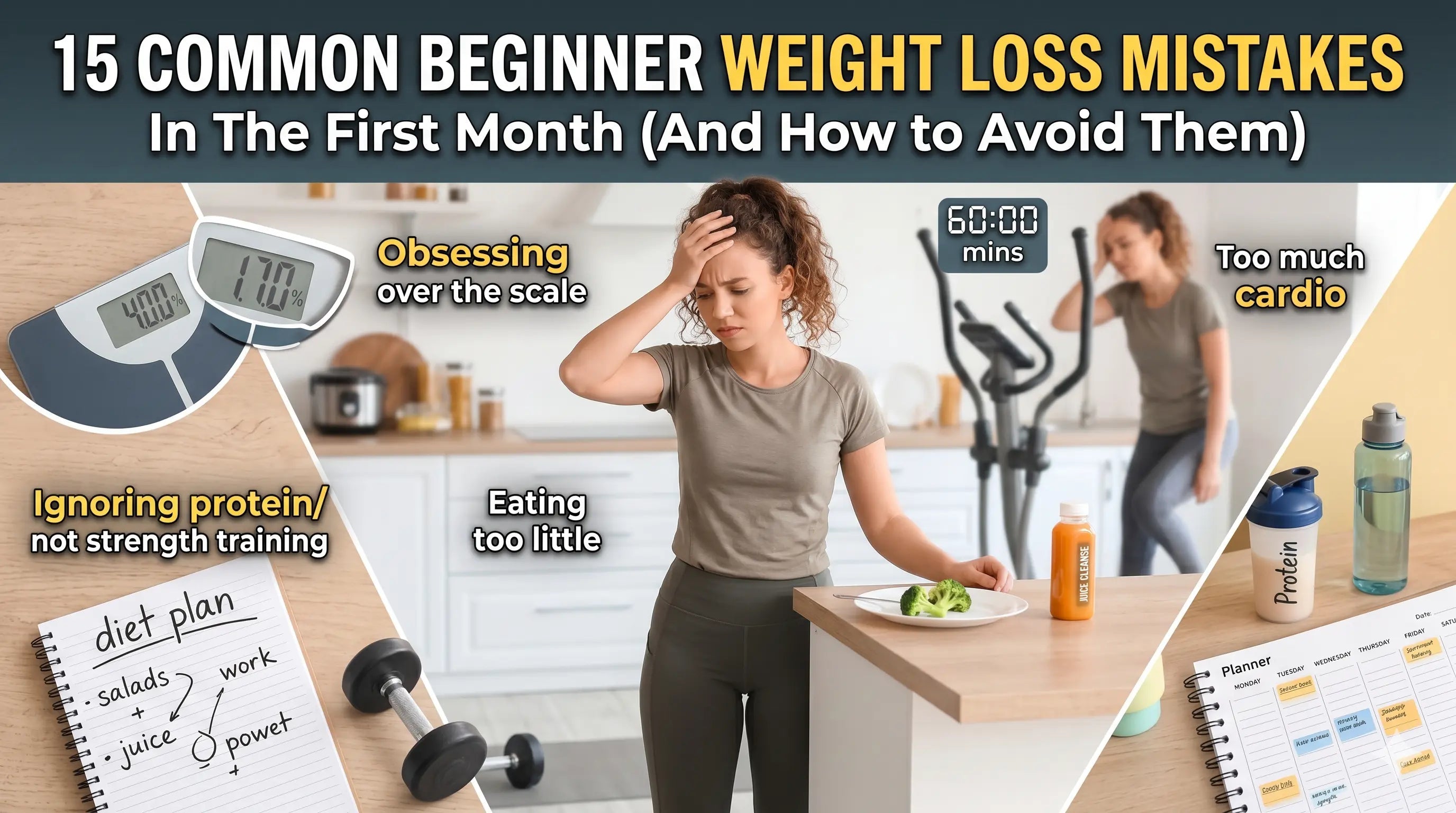
The biggest weight loss mistakes beginners make in the first month include eating too little, expecting rapid results, relying only on cardio, ignoring protein intake, obsessing over the scale, and quitting too early. Sustainable weight loss works best with a moderate calorie deficit, strength training, adequate sleep, realistic expectations, and consistent habits rather than extreme dieting or excessive exercise.
Weight Loss Mistakes Beginners Make in the First Month (And How to Avoid Them)
Starting a weight loss journey often feels exciting at first. Motivation is high, workouts feel productive, and rapid results seem possible. But for many beginners, the first month quickly becomes frustrating.
Some people stop losing weight after the first week. Others feel exhausted, hungry, or discouraged despite working hard. Many quit before their body fully adapts to the changes.
The problem is not usually lack of effort.
Most beginners simply make common mistakes that slow progress, increase cravings, damage consistency, and create unrealistic expectations.
The good news is that these mistakes are avoidable.
This guide explains:
- the biggest beginner weight loss mistakes
- why weight fluctuates during the first month
- what realistic progress actually looks like
- why fat loss is often misunderstood
- what science says about sustainable weight loss
- how beginners can build habits that actually last
Whether your goal is fat loss, body recomposition, better health, or long-term fitness, this article will help you avoid the most common beginner traps.
What Are the Biggest Weight Loss Mistakes Beginners Make?
Quick Answer
Most beginners struggle with weight loss in the first month because they:
- cut calories too aggressively
- expect rapid transformation
- do excessive cardio
- ignore protein and strength training
- rely only on motivation
- obsess over daily scale changes
- follow unsustainable diets
- underestimate calorie intake
- neglect sleep and recovery
Successful weight loss usually comes from sustainable habits rather than extreme short-term effort.
Why the First Month of Weight Loss Feels Difficult
The first month of weight loss is usually the most confusing phase because the body is rapidly adapting to changes in:
- calorie intake
- hydration
- glycogen storage
- sodium balance
- exercise
- sleep
- stress
- digestion
This adaptation phase often causes temporary fluctuations that many beginners misinterpret as failure.
Your Body Is Adjusting to Change
During the first few weeks, the body experiences:
- hunger changes
- water retention shifts
- increased cravings
- energy fluctuations
- digestive adjustments
- muscle soreness
- inflammation from exercise
These changes are normal.
Early Weight Loss Is Often Water Weight
One of the biggest misconceptions in dieting is assuming all early weight loss equals fat loss.
When calorie intake decreases, the body uses stored glycogen for energy. Glycogen binds water, so losing glycogen also reduces water weight.
This is why many people lose several kilograms quickly during week one and then suddenly “stall.”
That does not mean fat loss stopped.
Unrealistic Expectations Create Frustration
Social media often promotes:
- extreme transformations
- detox diets
- rapid fat loss
- unrealistic timelines
In reality, healthy and sustainable fat loss is usually slower than most people expect.
Most successful transformations happen through consistency over months, not perfection for a few weeks.
What Realistic First-Month Weight Loss Looks Like
Healthy Weight Loss Expectations
For most beginners, sustainable fat loss is approximately:
- 0.5–1 kg (1–2 pounds) per week
People with higher starting body weight may lose faster initially because of larger calorie expenditure and water loss.
Normal First-Month Progress Includes
- scale fluctuations
- reduced bloating
- improved energy
- better eating habits
- improved workout performance
- reduced cravings
- better sleep
- increased consistency
Visible body composition changes often take longer than expected.
The 15 Biggest Weight Loss Mistakes Beginners Make
1. Eating Too Few Calories
Why It Happens
Many beginners believe aggressive restriction creates faster fat loss.
Crash diets and ultra-low-calorie plans reinforce this mindset.
Why It Backfires
Extreme calorie restriction can:
- increase hunger hormones
- reduce energy levels
- impair workout performance
- increase muscle loss
- trigger binge eating
- reduce long-term adherence
Very aggressive dieting also increases the likelihood of quitting.
What To Do Instead
Aim for a moderate calorie deficit that feels sustainable.
Focus on:
- protein-rich meals
- vegetables
- fiber-rich foods
- hydration
- consistency
2. Expecting Rapid Results
Many beginners expect dramatic changes within a few weeks.
This creates frustration when progress slows after initial water loss.
Reality Check
Fat loss is gradual.
During the first month:
- metabolism adapts
- water balance changes
- habits develop
- recovery improves
- appetite regulation changes
Long-term consistency matters more than rapid short-term results.
3. Doing Too Much Cardio
Cardio can help burn calories, but excessive cardio often creates:
- fatigue
- hunger
- burnout
- poor recovery
Some beginners attempt:
- hours of treadmill workouts
- daily high-intensity sessions
- multiple workouts per day
This is rarely sustainable.
Better Strategy
Combine:
- strength training
- walking
- moderate cardio
- recovery days
Resistance training helps preserve muscle during fat loss and improves body composition outcomes.
4. Ignoring Protein Intake
Protein is one of the most important nutrients during weight loss.
Why Protein Matters
Protein helps:
- preserve muscle mass
- increase satiety
- improve recovery
- reduce hunger
- support metabolism
Protein also has the highest thermic effect of food (TEF), meaning the body burns more energy digesting it compared to fats or carbohydrates.
Good Protein Sources
- eggs
- Greek yogurt
- chicken
- fish
- tofu
- lentils
- cottage cheese
- lean meats
- protein shakes
Most beginners benefit from including protein in every meal.
5. Not Strength Training
Many beginners rely only on cardio and completely avoid resistance training.
This is a major mistake.
Why Strength Training Matters
Resistance training helps:
- preserve lean muscle mass
- improve metabolism
- increase insulin sensitivity
- improve body composition
- support long-term calorie expenditure
Without strength training, more weight loss may come from muscle instead of fat.
6. Obsessing Over the Scale
Body weight naturally fluctuates because of:
- sodium intake
- water retention
- hormones
- digestion
- glycogen changes
- stress
- inflammation
Daily fluctuations do not always reflect fat loss or fat gain.
Better Progress Metrics
Track:
- weekly weight averages
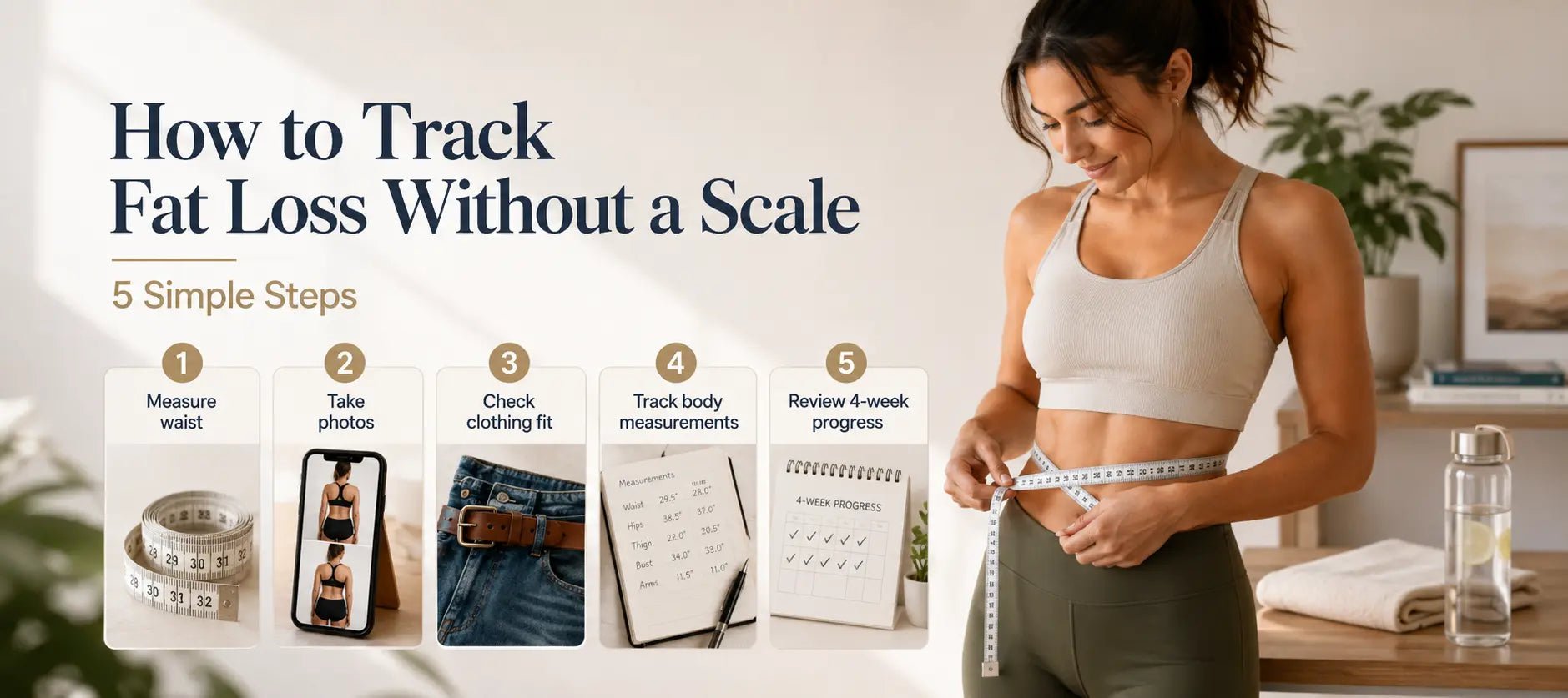
- waist measurements
- progress photos
- strength improvements
- energy levels
- clothing fit
Long-term trends matter more than day-to-day changes.
7. Drinking Calories Without Realizing It
Liquid calories are easy to underestimate.
Common examples include:
- soda
- juice
- sugary coffee drinks
- milkshakes
- alcohol
- “healthy” smoothies
Many drinks provide high calories with low satiety.
Better Alternatives
Choose:
- water
- sparkling water
- black coffee
- unsweetened tea
- lower-calorie beverages
8. Weekend Overeating
Many people maintain a calorie deficit during weekdays but erase progress during weekends.
Common issues include:
- restaurant meals
- cheat days
- alcohol
- late-night snacking
Consistency across the week matters more than being “perfect” Monday through Friday.
9. Following Social Media Diet Trends
Detoxes, “fat-burning” teas, starvation diets, and influencer meal plans often prioritize marketing over science.
Most trends:
- lack scientific evidence
- are difficult to sustain
- create nutrient deficiencies
- encourage unhealthy behaviors
What Actually Works
The fundamentals remain consistent:
- calorie control
- protein intake
- resistance training
- sleep
- consistency
- sustainable habits
10. Skipping Meals to “Save Calories”
Skipping meals can sometimes lead to:
- binge eating later
- poor workout performance
- low energy
- excessive hunger
Some people succeed with intermittent fasting, but many beginners simply overeat later in the day.
Choose an eating pattern that supports consistency and appetite control.
11. Not Tracking Portion Sizes
Many beginners underestimate calorie intake significantly.
Even healthy foods can become calorie-dense in large portions:
- oils
- nuts
- peanut butter
- smoothies
- granola
- restaurant meals
Temporary calorie tracking can improve awareness and portion control skills.
12. Sleeping Too Little
Poor sleep affects:
- hunger hormones
- cravings
- recovery
- motivation
- stress hormones
Sleep deprivation often increases cravings for:
- sugar
- ultra-processed foods
- high-calorie snacks
Better Goal
Aim for:
- 7–9 hours of sleep
- consistent sleep timing
- reduced late-night screen exposure
13. Quitting Too Early
Many beginners quit during temporary plateaus.
The problem is that weight loss is rarely linear.
Short-term stalls can happen because of:
- water retention
- sodium intake
- hormonal fluctuations
- exercise inflammation
- digestion changes
Fat loss may still be occurring even when scale weight temporarily stalls.
14. Comparing Progress With Other People
Different people lose weight differently because of:
- genetics
- hormones
- starting body composition
- sleep
- stress
- consistency
- activity level
Social media comparisons often create unrealistic expectations.
Measure progress against your previous habits, not someone else’s highlight reel.
15. Trying To Be Perfect
Perfectionism often destroys consistency.
Many beginners believe:
- one bad meal ruins everything
- missing one workout means failure
- progress must be perfect
This mindset commonly leads to guilt and binge eating.
Better Mindset
One meal does not determine long-term results.
Consistency over time matters far more than isolated mistakes.
Why Weight Loss Sometimes Stalls
A temporary plateau does not always mean fat loss stopped.
Common Causes of Temporary Stalls
- water retention
- increased sodium intake
- hormonal fluctuations
- stress
- poor sleep
- inconsistent tracking
- muscle inflammation from exercise
Fat loss can continue even when body weight temporarily stays stable.
Fat Loss vs Water Weight Explained
This is one of the most misunderstood parts of dieting.
Water Weight Changes Quickly
Water retention fluctuates because of:
- carbohydrate intake
- sodium intake
- hormones
- stress
- hydration
- inflammation
Daily fluctuations of 1–3 kg can happen normally.
Fat Loss Happens More Slowly
Body fat contains stored energy that requires sustained calorie deficits over time.
This is why:
- rapid first-week losses slow down later
- plateaus are normal
- sustainable progress requires patience
Mistakes That Look Healthy But Hurt Weight Loss
“Healthy” Smoothies Loaded With Calories
Large smoothies may contain:
- nut butters
- juice
- honey
- granola
- dried fruit
Calories add up quickly.
Reward Eating After Workouts
Many people overestimate calories burned during exercise and compensate by overeating afterward.
Overtraining
Excessive exercise can increase:
- fatigue
- cravings
- injury risk
- burnout
Detox Products
Most detox products do not meaningfully increase fat loss.
The liver and kidneys already perform detoxification naturally.
What Beginners Should Do Instead
Create a Moderate Calorie Deficit
Avoid crash dieting and focus on sustainability.
Prioritize Protein
Protein supports:
- fullness
- muscle retention
- recovery
Strength Train Regularly
Aim for:
- 2–4 weekly sessions
Focus on:
- compound movements
- progressive overload
- consistency
Increase Daily Movement
Examples include:
- walking
- stairs
- standing more
- household activity
Daily movement significantly affects calorie expenditure.
Focus on Consistency Over Perfection
Long-term habits matter more than short-term intensity.
Simple 30-Day Beginner Weight Loss Plan
Week 1: Build Awareness
Focus on:
- tracking food intake
- increasing water intake
- reducing sugary drinks
- increasing daily steps
Week 2: Improve Food Quality
Focus on:
- protein intake
- vegetables
- fiber-rich foods
- reducing ultra-processed snacks
Week 3: Begin Structured Exercise
Start:
- resistance training 2–3 times weekly
- moderate cardio
- walking consistently
Week 4: Improve Consistency
Focus on:
- portion control
- sleep quality
- stress management
- sustainable routines
Signs Your Weight Loss Plan Is Working
Even if the scale changes slowly, positive signs include:
- improved energy
- reduced cravings
- better sleep
- improved endurance
- strength improvements
- better mood
- improved clothing fit
- increased consistency
Progress is not measured only by scale weight.
Frequently Asked Questions
What is the biggest beginner weight loss mistake?
The biggest mistake is trying to lose weight too quickly through extreme dieting or unsustainable exercise.
Is losing 10 kg in one month healthy?
For most people, losing 10 kg in one month is unrealistic and potentially unhealthy unless medically supervised.
Why am I exercising but not losing weight?
Possible reasons include:
- water retention
- inaccurate calorie tracking
- overeating after workouts
- poor sleep
- unrealistic expectations
Can eating too little stop weight loss?
Very low calorie intake may increase binge eating risk, reduce adherence, impair recovery, and increase muscle loss.
Why did I gain weight after starting exercise?
Exercise can temporarily increase water retention and muscle inflammation during recovery.
Is cardio enough for fat loss?
Cardio helps burn calories, but combining it with resistance training and proper nutrition is generally more effective.
Should beginners weigh themselves daily?
Some people benefit from tracking trends daily, while others prefer weekly weigh-ins to reduce stress.
Final Thoughts
The first month of weight loss is usually less about perfection and more about learning sustainable habits.
Most beginners struggle because they:
- expect instant transformation
- follow extreme diets
- ignore recovery
- rely only on motivation
- quit too early
Successful fat loss usually comes from mastering fundamentals:
- moderate calorie deficits
- adequate protein
- resistance training
- sleep quality
- consistency over time
The goal is not to lose weight as fast as possible.
The goal is to build habits that help you maintain results long term.
We rely on peer-reviewed studies and reputable medical journals.