


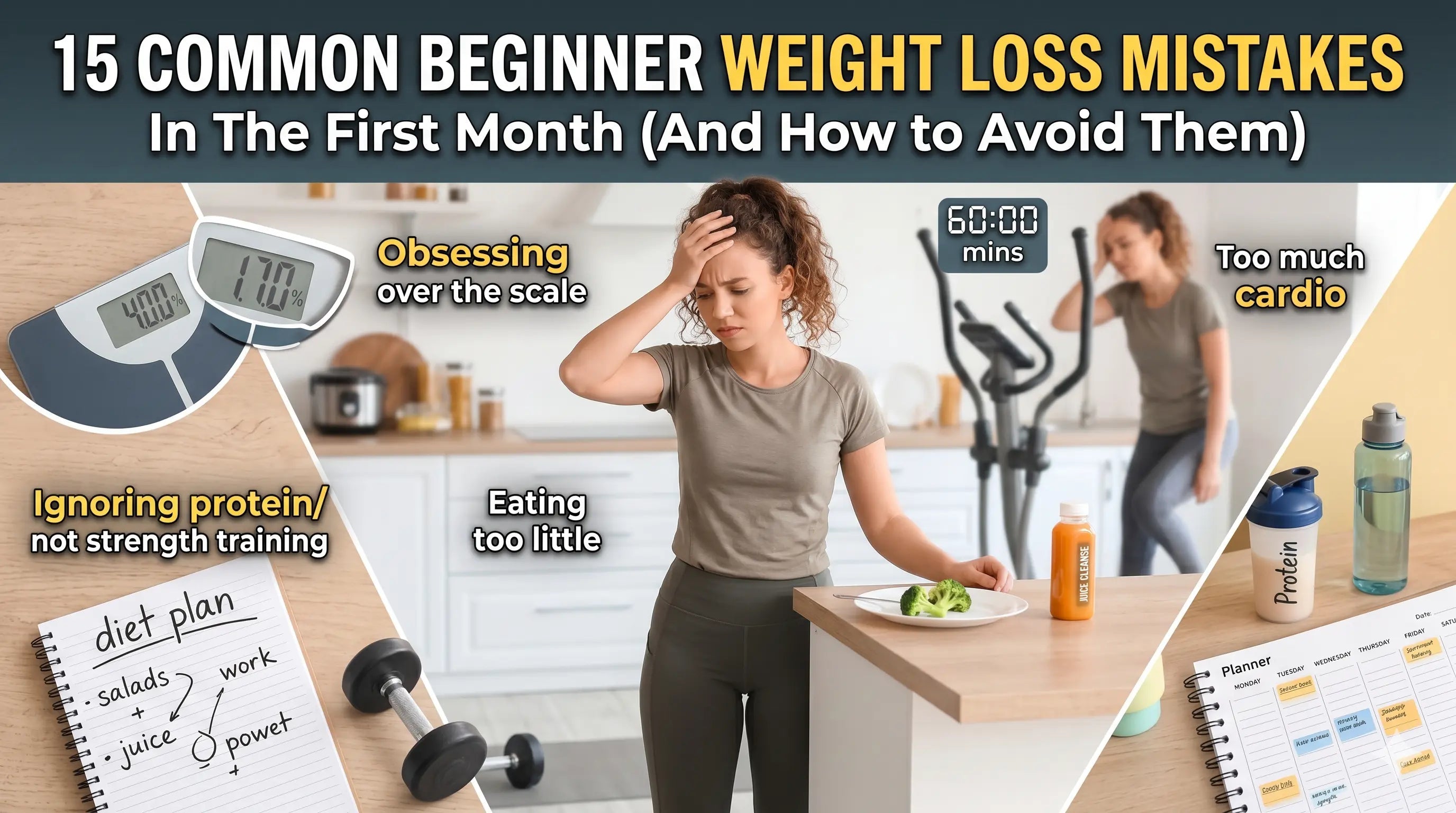

Is It Normal to Gain Weight Before Losing Weight? (Science-Based Answer)
Quick Answer
Yes, it is normal to gain a small amount of weight before losing weight, especially when starting a new diet or exercise routine. This temporary increase is usually caused by water retention, glycogen storage, muscle repair, hormonal changes, or increased food volume, not body fat. True fat gain only occurs when you are consistently in a calorie surplus.
Introduction
You improve your diet, reduce calories, maybe even start exercising, and instead of losing weight, the scale goes up.
This is one of the most common and misunderstood experiences in weight loss.
The key issue: the scale does not directly measure fat loss. It reflects total body weight, which includes water, glycogen, muscle, and food volume. Early changes in these components can temporarily mask fat loss.
This guide explains exactly:
- Why weight gain can happen before fat loss
- How long it lasts
- How to interpret it correctly
- What to do next
Why You Might Gain Weight Before Losing It
Early weight gain is usually a physiological adaptation, not fat accumulation.
1. Water Retention (Most Common Cause)
Your body constantly regulates fluid balance. Small changes can lead to noticeable weight fluctuations.
Common triggers:
- Increased sodium intake
- Hormonal fluctuations
- Stress (elevated cortisol)
- Changes in hydration
Key point: Water weight can increase within 24–72 hours and fluctuate rapidly.
2. Glycogen Storage and Water Binding
When you eat carbohydrates, your body stores them as glycogen in muscles and the liver.
Clinical fact:
- 1 gram of glycogen binds ~2.7–4 grams of water
So when you:
- Start exercising
- Increase carbohydrate intake
- Improve nutrition after dieting
👉 Your body stores more glycogen → weight increases without fat gain
3. Exercise-Induced Muscle Repair (EIMD)
Starting a new workout—especially strength training—causes:
- Microscopic muscle damage
- Inflammation
- Fluid accumulation (edema)
This is called Exercise-Induced Muscle Damage (EIMD).
Result:
- Temporary weight gain lasting several days to weeks
- A positive sign of muscle adaptation—not a setback
4. Hormonal Fluctuations
Hormones strongly influence body weight through fluid balance.
Examples:
- Menstrual cycle (can cause 1–3 kg fluctuation)
- Cortisol (stress hormone)
- Poor sleep affecting hunger and water regulation
These changes are temporary but can mask fat loss.
5. Increased Food Volume and Digestion
If you start eating:
- More fiber
- More protein
- Larger food volume
You may simply have:
- More food mass in your digestive system
👉 This increases scale weight—but not body fat.
6. Stress and Cortisol Response
Calorie restriction and intense exercise can increase cortisol levels.
Effects:
- Water retention
- Slower short-term weight changes
This is a protective physiological response—not fat gain.
Does This Mean You Are Gaining Fat?
No—unless you are in a consistent calorie surplus.
Scale Weight vs Fat Loss
The scale includes:
- Water
- Muscle
- Glycogen
- Food in digestion
- Fat
Fat loss is slower and may not appear immediately.
How Much Weight Fluctuation Is Normal?
Short-term fluctuations are completely normal.
Typical ranges:
- Daily fluctuation: 0.5 to 2 kg
- High sodium/carbs: temporary increase next day
- Hormonal cycles: periodic spikes
👉 Fat gain requires sustained calorie surplus over time, not a few days.
How Long Does Temporary Weight Gain Last?
| Cause | Typical Duration |
|---|---|
| Water retention | 1–5 days |
| High sodium/carbs | 1–3 days |
| New exercise routine | 1–3 weeks |
| Hormonal changes | Cyclical |
| Diet adjustments | 1–4 weeks |
When Weight Loss Becomes Visible
If you maintain a calorie deficit:
- Trends usually appear within 1–3 weeks
- Consistency matters more than daily readings
How to Tell If It’s Water Weight or Fat Gain
Signs It’s Water Weight
- Rapid increase (1–3 days)
- Fluctuates up and down
- No major change in waist size
Signs It Could Be Fat Gain
- Gradual increase over weeks
- Increasing waist circumference
- Consistent calorie surplus
Can You Be Losing Fat While Gaining Weight?
Yes. This is called body recomposition.
You can:
- Lose fat
- Gain muscle
- Retain water
👉 Result: scale stays the same or increases slightly
Signs You’re Still Progressing
- Clothes fit better
- Waist size decreases
- Strength improves
- Energy levels increase
Why You Might Gain Weight Even While Eating Less
Common hidden reasons:
- Underestimating calorie intake
- Liquid calories (tea, juices, shakes)
- Weekend overeating
- High sodium intake
- Reduced daily movement
Important Clarification
Metabolism does not cause sudden weight gain.
Early increases are almost always:
👉 Water + glycogen + adaptation
What To Do If the Scale Goes Up
1. Stay Consistent
Do not:
- Panic
- Crash diet
- Over-exercise
Give your plan 2–3 weeks minimum.
2. Control Key Variables
- Keep sodium intake consistent
- Maintain stable carb intake
- Stay hydrated
3. Track Progress Correctly
Best methods:
- Daily weigh-ins → track weekly average
- Waist measurements (weekly)
- Progress photos (every 2–4 weeks)
- Strength tracking
👉 Trends matter more than single measurements.
When Weight Gain Is Actually a Good Sign
Early weight gain may indicate:
- Starting strength training
- Muscle repair and growth
- Improved nutrition
- Better hydration
👉 These are positive adaptations.
When You Should Be Concerned
Warning Signs
- Rapid unexplained weight gain
- Continuous increase over weeks
- Swelling or severe bloating
- Fatigue or unusual symptoms
Possible Causes
- Thyroid disorders
- PCOS
- Medication side effects
- Fluid retention conditions
👉 Consult a healthcare professional if these occur.
Frequently Asked Questions (FAQs)
Is it normal to gain weight before losing weight?
Yes. It is common and usually temporary due to water retention and physiological changes—not fat gain.
Why am I gaining weight after starting a diet?
Your body may retain water, store glycogen, or adjust hormonally, which can temporarily increase weight.
Can exercise cause weight gain at first?
Yes. Muscle repair and inflammation can increase water retention temporarily.
How long does water weight last?
Usually a few days to 2 weeks, depending on the cause.
Can I be losing fat if the scale goes up?
Yes. Especially during body recomposition, fat loss may occur without immediate weight loss.
What is a normal daily weight fluctuation?
Fluctuations of 0.5 to 2 kg are normal.
Why do I weigh more after a cheat meal?
Higher sodium and carbohydrates cause temporary water retention.
Key Takeaways
- Gaining weight before losing it is common and normal
- It is usually caused by water, glycogen, or digestion—not fat
- Fat gain only occurs with a consistent calorie surplus
- The scale can be misleading—focus on trends, not daily changes
- Use multiple tracking methods for accurate progress
- Stay consistent—results follow over time
We rely on peer-reviewed studies and reputable medical journals.