


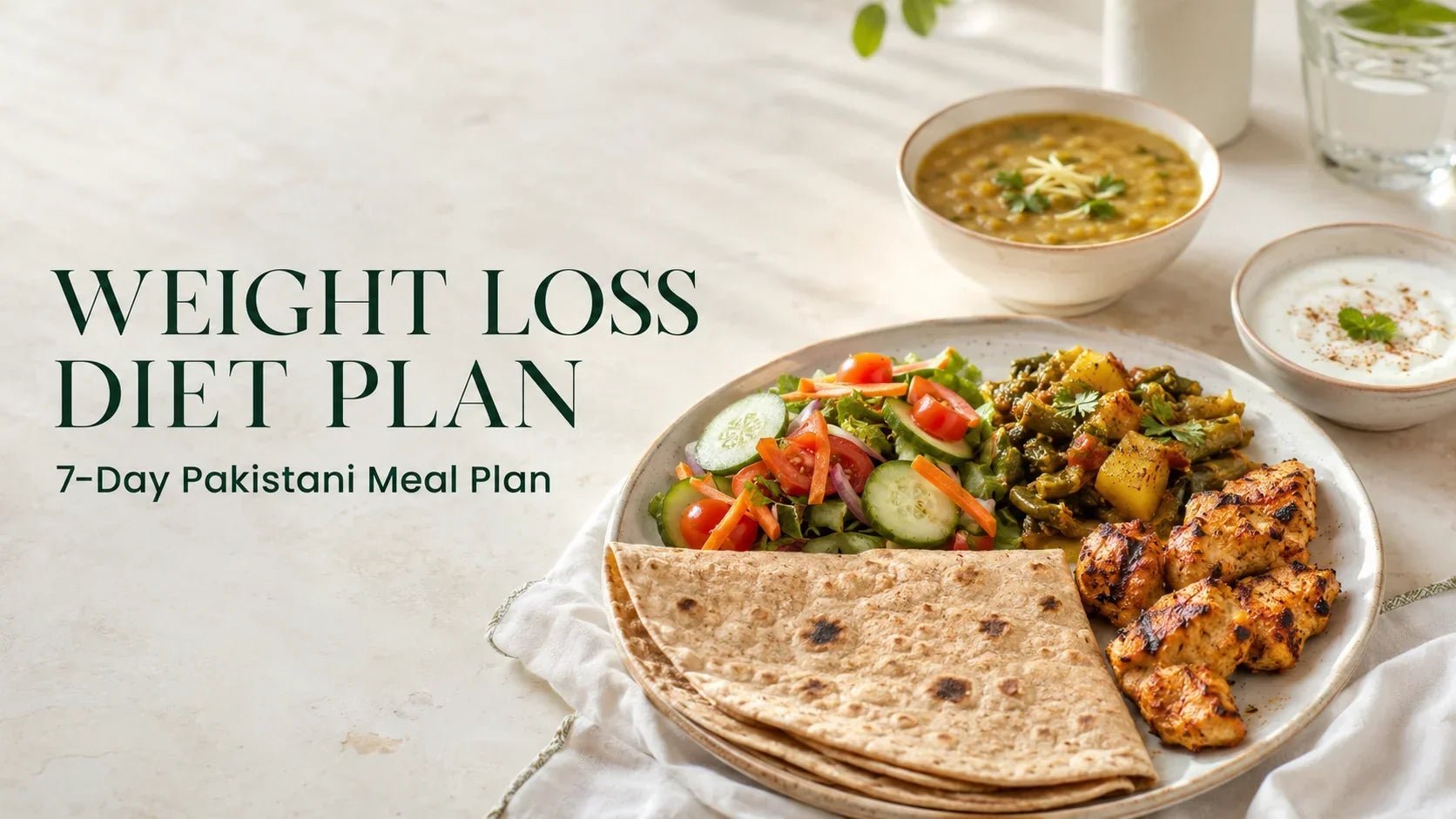
Best Foods to Eat in a Calorie Deficit (So You Stay Full)
Discover the best foods to eat in a calorie deficit, including high-protein, high-fiber, and high-volume options that help control hunger and keep you full longer.
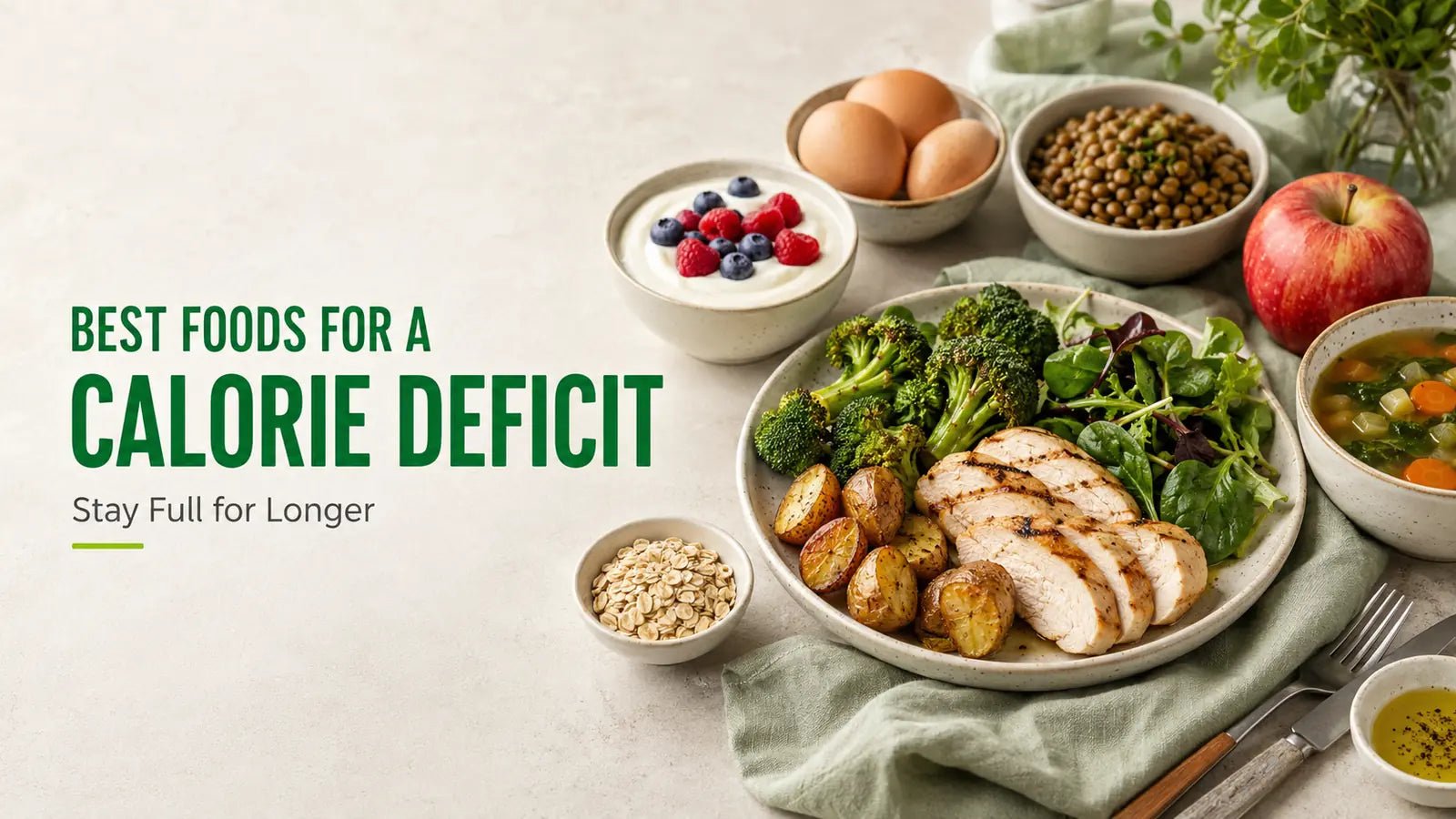
The best foods to eat in a calorie deficit are lean protein, eggs, Greek yogurt, beans, lentils, potatoes, oats, non-starchy vegetables, whole fruit, broth-based soup, and air-popped popcorn. They provide protein, fiber, water, or plenty of food for relatively few calories.
For better hunger control, combine protein with vegetables or fruit and a filling carbohydrate. Measure oils and other fats because a small serving contains many calories. No food can remove hunger completely. If you remain very hungry all day, your calorie deficit may be too large.
What Should You Eat in a Calorie Deficit to Stay Full?
The following foods offer a useful balance of fullness, nutrition, and calories:
| Food group | Good choices | Why they can help |
|---|---|---|
| Lean protein | Chicken, turkey, fish, prawns, and lean meat | Provides plenty of protein without too much added fat |
| High-protein dairy | Plain Greek yogurt and cottage cheese | Combines protein with a high water content |
| Eggs | Whole eggs and egg whites | Provides protein and makes meals more satisfying |
| Legumes and soy | Lentils, beans, chickpeas, tofu, and edamame | Provides both protein and fiber |
| Filling carbohydrates | Potatoes and oats | Provides water, fiber, and food volume |
| Non-starchy vegetables | Broccoli, spinach, cauliflower, cucumber, and zucchini | Allows you to eat a larger portion for fewer calories |
| Whole fruit | Apples, oranges, berries, pears, and melon | Provides fiber, water, sweetness, and chewing |
| High-volume extras | Broth-based soup and air-popped popcorn | Adds volume without many calories when prepared simply |
There is no single best food. A meal that combines protein, fiber, and volume will usually be more filling than one food eaten alone.
Best High-Protein Foods for a Calorie Deficit
Protein can help control appetite and protect muscle during a calorie deficit. Research suggests that higher-protein diets may offer modest benefits for fullness and lean mass, although the effect varies.[1]
Lean Chicken, Fish, and Seafood
Chicken breast, turkey, fish, prawns, and lean meat provide plenty of protein for their calories. Grill, bake, steam, or air-fry them with little oil. Breading, frying, and creamy sauces can add far more calories. Salmon is higher in calories than white fish but can still fit in a suitable portion.
Eggs and Egg Whites
Eggs are affordable, easy to cook, and rich in high-quality protein. To make a larger, higher-protein meal, combine whole eggs with extra egg whites and vegetables. Limit the butter or oil used for cooking.
Greek Yogurt and Cottage Cheese
Plain Greek yogurt and cottage cheese make useful high-protein breakfasts or snacks. Check the label because protein and added sugar vary. Some flavored or “Greek-style” products contain less protein and more sugar than expected.
Beans, Lentils, Chickpeas, and Tofu
Beans, lentils, chickpeas, and soy foods provide plant protein. Legumes also provide fiber. Use daal, chickpeas, beans, or tofu as the main protein, but watch the oil used in curries and sauces.
Best High-Volume, Low-Calorie Foods to Keep You Full
High-volume, low-calorie foods contain plenty of water, air, or fiber. They create larger portions without using most of your calorie budget.
Non-Starchy Vegetables
Broccoli, cauliflower, cabbage, spinach, cucumber, zucchini, mushrooms, peppers, and tomatoes add plenty of volume. Try filling about half your lunch or dinner plate with them. Use little oil and pair them with protein and a suitable serving of carbohydrate.
Whole Fruit
Apples, oranges, pears, berries, guava, and melon provide water, fiber, and sweetness. In a controlled study, whole apple produced more fullness than applesauce or apple juice with the same calories.[2] Choose whole fruit more often than juice or large smoothies.
Broth-Based Soup
Broth-based soup adds water and volume. Add chicken, beans, or lentils to make it a meal. One controlled study found that low-calorie soup before a meal reduced total meal intake.[3] Cream-based soups may not offer the same calorie advantage.
Air-Popped Popcorn
Air-popped popcorn provides a large, crunchy serving for relatively few calories. Keep it simple because butter, caramel, cheese powder, and excess oil can quickly raise the calorie content.
Best Filling Carbs for a Calorie Deficit
Carbohydrates do not need to be removed during fat loss. Choose filling options, control the serving, and pair them with protein and vegetables.
Boiled or Baked Potatoes
Boiled and baked potatoes contain more water and fewer calories than fries or crisps. They ranked very high in an older study of short-term fullness.[4] This does not mean potatoes cause weight loss, but plain potatoes can be filling. Limit deep frying and heavy toppings.
Oats
Oats provide fiber and absorb water during cooking. Combine them with Greek yogurt or milk for protein and add whole fruit. Large amounts of honey, sugar, nut butter, or dried fruit can add calories quickly.
Rice and Other Grains
Rice can fit a calorie deficit. A moderate serving with chicken, fish, lentils, or beans and vegetables will be more balanced than a large bowl of rice alone. Whole grains may provide more fiber, but white rice can also fit when the serving is controlled.
Why These Foods Help You Feel Full on Fewer Calories
Protein Supports Fullness and Muscle
Protein tends to be more filling than many refined carbohydrates or fats. It also helps limit muscle loss, especially with resistance exercise. Include a clear protein source in each main meal. Your total need depends on your body size, health, and activity.
Fiber and Water Add Volume
Fiber and water increase food size without adding many calories. Not every type of fiber affects hunger in the same way. The effect depends on its type and amount.[5] Choose varied sources such as vegetables, fruit, legumes, and whole grains.
Low Energy Density Lets You Eat More Food
Energy density means the calories in a given weight of food. Water-rich foods provide a larger portion for fewer calories. Oil, butter, fried foods, pastries, nuts, and nut butter provide more calories in a small amount, so portions matter.
Whole Foods Are Often More Satisfying
Whole foods often require more chewing than drinks or highly processed snacks. In a controlled trial, people ate more calories on an ultra-processed diet than on a minimally processed diet.[6] This does not make all processed food harmful, but mostly whole or lightly processed foods may make calorie control easier.
How to Build a Filling Calorie Deficit Meal
Use this simple meal formula:
Protein + high-volume vegetables or fruit + a filling carbohydrate + a measured amount of fat or sauce
A practical plate may look like this:
- Fill about half the plate with non-starchy vegetables.
- Use about one-quarter for lean protein.
- Use about one-quarter for potatoes, rice, beans, or another carbohydrate.
- Add a small, measured amount of oil, nuts, seeds, cheese, or sauce.
This is a starting point. Your needs may differ based on your size, activity, health, and calorie target.
Filling Calorie Deficit Meals and Snacks
You do not need special “diet food.” Combine normal foods to provide protein and volume.
| Meal | Filling idea |
|---|---|
| Breakfast | Oats with plain Greek yogurt and berries |
| Breakfast | Eggs and egg whites with vegetables and whole-grain toast |
| Lunch | Grilled chicken, baked potato, and a large salad |
| Lunch | Lentil or chickpea bowl with vegetables and yogurt |
| Dinner | Fish with rice and roasted vegetables |
| Dinner | Tofu or chicken stir-fry with vegetables and rice |
| Snack | Plain Greek yogurt with whole fruit |
| Snack | A boiled egg with an apple or orange |
| Snack | Air-popped popcorn with a protein-rich food |
| Snack | Cottage cheese with cucumber, tomato, or fruit |
Total calories depend on serving size, cooking method, oil, dressing, and toppings.
Foods That Can Make a Calorie Deficit Harder
No food must be banned. However, these foods can provide many calories in a small serving:
- Sugary drinks, juices, and large specialty coffees
- Fried foods
- Cakes, pastries, biscuits, sweets, and chips
- Large amounts of oil, butter, mayonnaise, and creamy sauce
- Unmeasured nuts and nut butter
- Smoothies made with several calorie-dense ingredients
They can still fit in small portions. Do not let them use most of your calorie budget while leaving you hungry.
Still Hungry in a Calorie Deficit? Check These Five Things
1. Your Calorie Deficit May Be Too Large
Some hunger is normal when you eat less. Constant or severe hunger may mean you are cutting calories too hard.
2. Your Meals May Be Low in Protein
A meal based only on bread, cereal, rice, or fruit may not keep you full for long. Add a clear source of protein.
3. Your Meals May Be Too Small
Use vegetables, whole fruit, soup, or potatoes to make meals larger without adding too many calories.
4. Hidden Calories May Be Reducing Your Food Allowance
Oil, dressing, drinks, and small snacks may force you to eat smaller meals. Measure these extras instead of trying to survive on tiny portions.
5. Sleep, Stress, or Health Problems May Be Affecting Hunger
Poor sleep, stress, some medicines, and health conditions can affect hunger. Speak with a doctor or registered dietitian if your appetite changes suddenly or remains unusually strong.
Frequently Asked Questions
What Foods Fill You Up With the Fewest Calories?
Non-starchy vegetables, broth-based soup, melon, berries, and air-popped popcorn provide a large amount of food for relatively few calories. For longer-lasting fullness, combine these foods with lean protein such as chicken, eggs, Greek yogurt, fish, beans, or tofu.
What Is the Best Protein for a Calorie Deficit?
Good choices include chicken breast, turkey, fish, prawns, eggs, egg whites, Greek yogurt, cottage cheese, tofu, beans, and lentils. The best option is one that matches your diet, budget, health needs, and taste.
Can You Eat Rice in a Calorie Deficit?
Yes. Weight loss depends on your total calorie intake, not on removing rice. Use a suitable portion and combine it with protein and vegetables. Also count the oil, butter, sauce, or curry served with it.
Are Potatoes Good for a Calorie Deficit?
Boiled or baked potatoes can be a filling carbohydrate because they contain plenty of water. Fries, crisps, and potatoes prepared with large amounts of fat are much higher in calories. Preparation and portion size matter.
What Is the Best Breakfast for a Calorie Deficit?
A filling breakfast combines protein and fiber. Examples include eggs with vegetables and whole-grain toast, or oats with Greek yogurt and berries. Choose a meal you enjoy and that keeps you satisfied until your next planned meal.
What Are the Best Snacks for a Calorie Deficit?
Useful options include Greek yogurt with fruit, cottage cheese with cucumber, a boiled egg with fruit, vegetables with a measured serving of hummus, or air-popped popcorn paired with protein. Choose snacks that solve real hunger rather than eating only because food is available.
Is It Normal to Feel Hungry in a Calorie Deficit?
Mild hunger before meals can be normal. Constant hunger, dizziness, weakness, binge eating, poor concentration, or obsessive thoughts about food may mean your intake is too low or the plan is not suitable for you. Seek professional advice instead of cutting calories further.
Bottom Line
The best foods to eat in a calorie deficit are foods that give you more protein, fiber, water, and volume for your calories. Build meals around lean protein, vegetables or whole fruit, and a filling carbohydrate such as potatoes, oats, rice, beans, or lentils.
You do not need to avoid all high-calorie foods or remove carbohydrates. Control the portions of oils, sauces, fried foods, sweets, and other calorie-dense extras. If you still feel very hungry despite eating balanced meals, use a smaller calorie deficit and seek personal guidance when needed.
Need a Calorie Deficit Plan Built Around You?
MNT provides online dietitian consultations and personalized Pakistani food-based diet plans based on your goals, routine, health needs, and food preferences.
- Personalized calorie and portion guidance
- Practical Pakistani food options
- Progress tracking and follow-up support
We rely on peer-reviewed studies and reputable medical journals.