


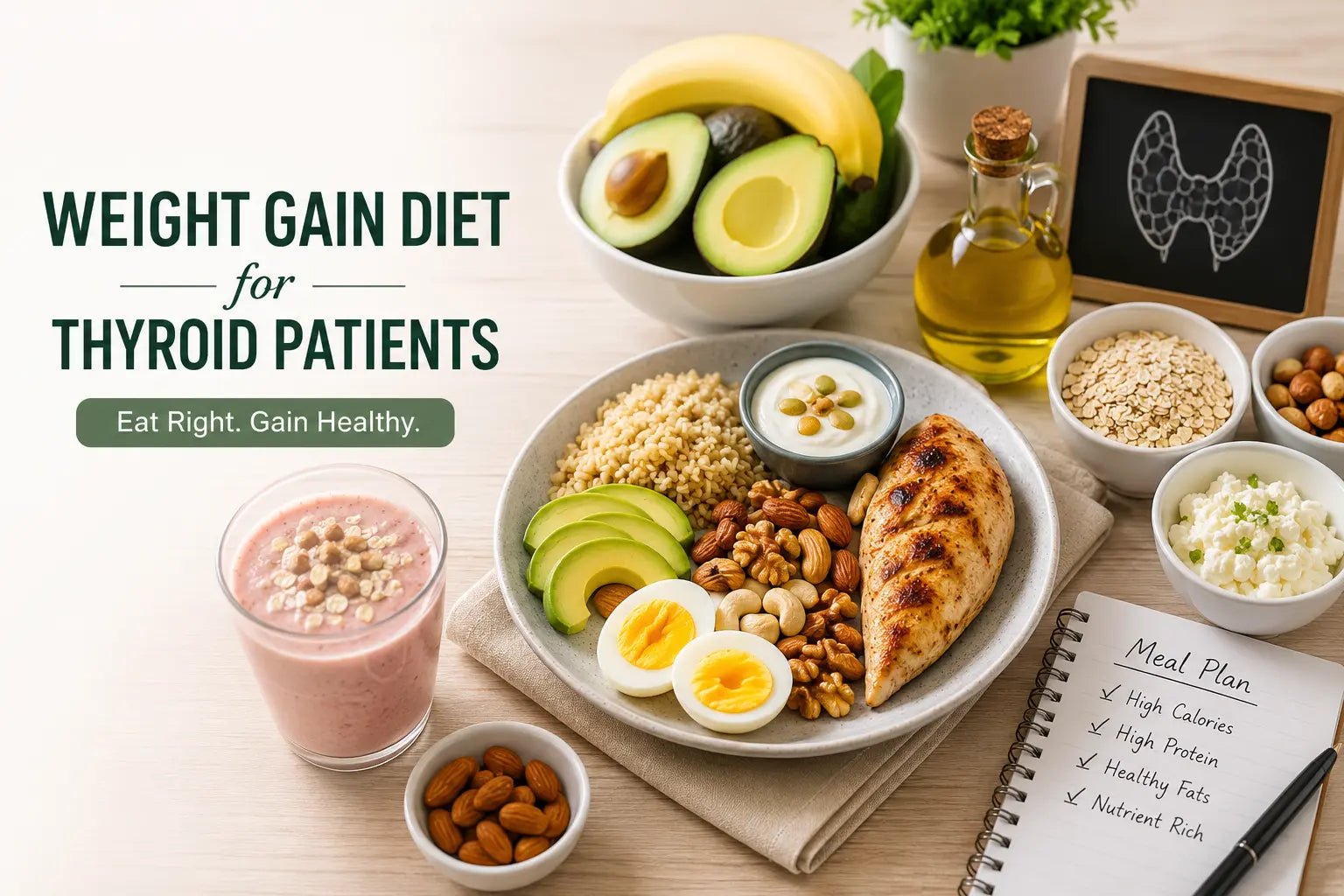
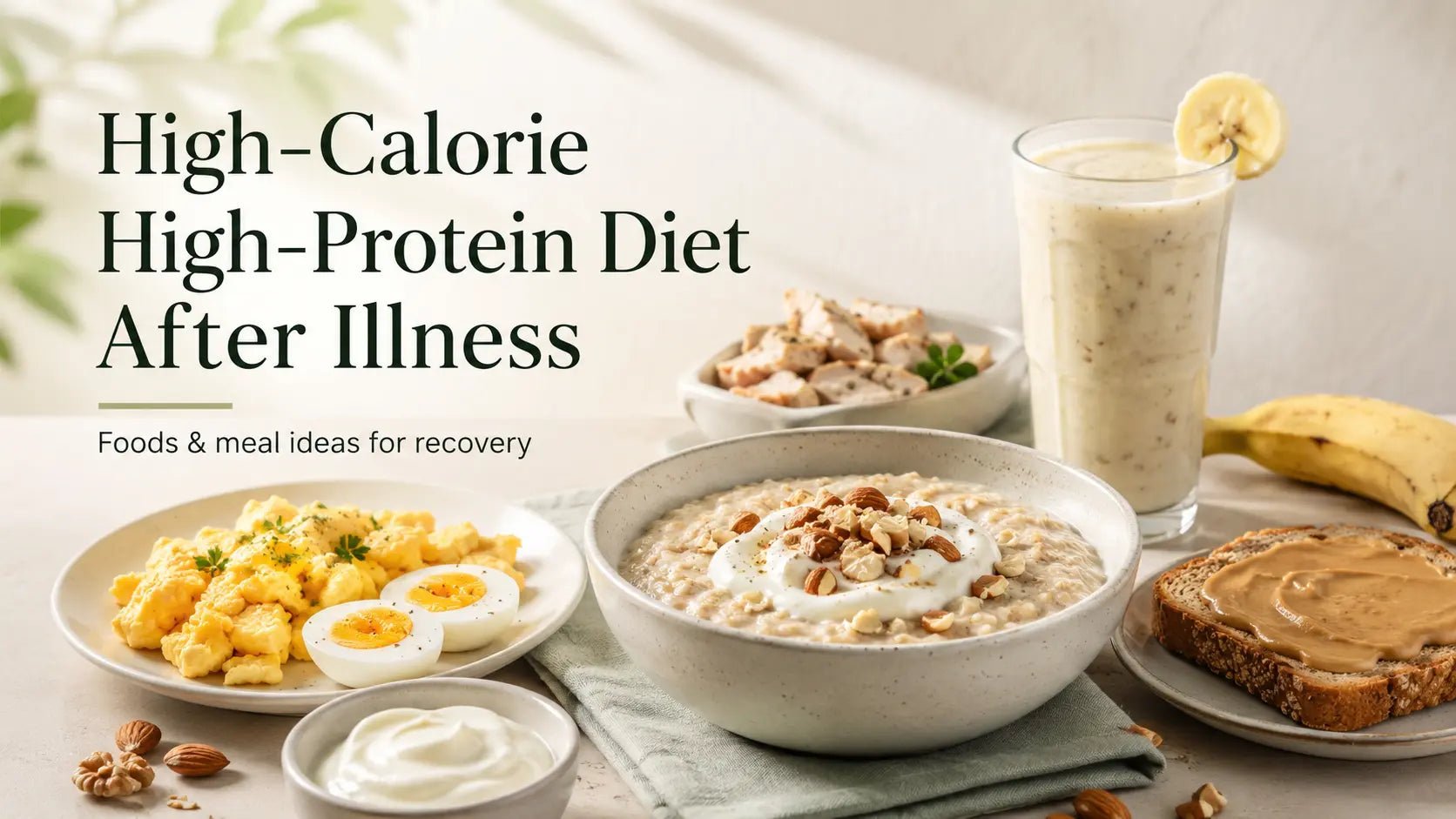
High-Calorie High-Protein Diet for Recovery After Illness: Foods, Meal Plan & Recovery Guide
Recovering from an illness often takes more than rest. If you have lost weight, muscle, strength or appetite while you were sick, your body may also need extra nutrition to recover.
A high-calorie high-protein diet for recovery after illness provides more energy and protein in foods you can comfortably eat. It can help support weight recovery, muscle maintenance, tissue repair and a gradual return to normal strength.
The goal is not simply to eat as much as possible.
The goal is to get more nutrition from the amount of food you can manage.
High-Calorie High-Protein Diet After Illness: Quick Answer
If illness has caused poor appetite, unplanned weight loss, weakness or muscle loss, the most practical approach is usually to:
- eat a small meal or snack every 2–3 hours if large meals are difficult;
- include a source of protein each time you eat;
- make meals more calorie-dense rather than simply making portions bigger;
- add foods such as milk, yogurt, cheese, eggs, nuts, nut butter, beans, lentils, tofu, fish, chicken or meat;
- use nourishing drinks such as milk, smoothies or yogurt-based drinks when solid food is difficult;
- combine adequate nutrition with gradual rehabilitation or physical activity when medically safe;
- reassess your diet as your appetite, weight and strength recover.
A high-calorie high-protein diet is usually a temporary recovery strategy, not necessarily a diet you need to follow forever.
If you have eaten almost nothing for several days, have experienced major weight loss, have difficulty swallowing, or have kidney, liver, heart or another complex medical condition, get professional advice before making major dietary changes.
Recovery Nutrition at a Glance
| Recovery problem | Main nutrition priority |
|---|---|
| Unplanned weight loss | Increase energy intake |
| Loss of muscle | Protein + enough calories + rehabilitation |
| Poor appetite | Small, frequent meals |
| Feeling full quickly | More nutrition in smaller portions |
| Weakness | Adequate food + gradual activity |
| Wound or tissue healing | Protein + adequate overall nutrition |
| Difficulty finishing meals | Nourishing drinks and fortified foods |
| Very low intake for several days | Assess refeeding risk |
| Swallowing difficulty | Medical or swallowing assessment |
Why Do You Need More Calories and Protein After Illness?
Illness can create a difficult situation.
Your appetite may fall at the same time that your body needs nutrients for healing and recovery.
You may eat less because of:
- nausea;
- tiredness;
- pain;
- changes in taste or smell;
- treatment side effects;
- early fullness;
- difficulty chewing or swallowing;
- low mood;
- breathlessness;
- weakness that makes cooking difficult.
If this continues, your body may start using its own energy stores.
Illness Can Cause Muscle Loss
During some illnesses, especially severe or prolonged illness, the body may break down tissue, including muscle.
Muscle loss can become more noticeable after:
- a long hospital stay;
- major surgery;
- a severe infection;
- several days or weeks of very low activity;
- prolonged bed rest;
- a long period of poor food intake.
You may notice that your legs feel weaker, stairs become harder, walking takes more effort, clothes become loose, or normal daily tasks feel more tiring.
Protein supplies amino acids that your body uses to maintain and repair tissues.
But protein alone is not enough.
Calories Provide the Energy Needed for Recovery
Your body needs energy for:
- breathing and circulation;
- immune function;
- tissue repair;
- maintaining body temperature;
- movement;
- rehabilitation;
- normal organ function.
If you are not eating enough overall energy, your body has to use stored energy.
That can lead to further weight loss.
A good recovery diet therefore provides both calories and protein, rather than focusing only on high-protein foods.
Protein Supports Repair and Maintenance
Protein is needed for:
- maintaining muscle;
- repairing body tissue;
- supporting wound healing;
- producing enzymes and hormones;
- supporting normal immune function.
The best recovery meals therefore combine protein with enough carbohydrates, fats, vitamins, minerals and fluids.
Who May Benefit From a High-Calorie High-Protein Recovery Diet?
A high-energy high-protein diet may be helpful if you:
- lost weight without trying;
- ate much less than normal while sick;
- have a poor appetite;
- become full after only a few bites;
- lost visible muscle;
- feel weak after a hospital stay;
- recently had major surgery;
- have wounds that need healing;
- have difficulty maintaining your usual weight;
- spent a long period with limited mobility;
- are struggling to return to normal daily activities.
Older adults may need particular attention because illness, reduced activity and poor appetite can lead to a rapid loss of muscle and physical function.
However, feeling tired after illness does not automatically mean you need to gain weight.
Your plan should depend on your recent weight change, current food intake, muscle strength, medical condition and recovery goals.
How Do You Know You Are Not Eating Enough During Recovery?
You do not have to look very thin to be at nutritional risk.
Possible warning signs include:
- unplanned weight loss;
- clothes, rings or belts becoming loose;
- eating much smaller portions than usual;
- frequently skipping meals because you have no appetite;
- losing visible muscle;
- becoming weaker;
- poor wound healing;
- difficulty chewing or swallowing;
- feeling full after only a few bites;
- eating little or nothing for several days.
NICE recommends considering nutrition support when adults are malnourished or at risk of malnutrition. Clinical indicators include significant unintentional weight loss and eating little or nothing for more than five days.
This matters because malnutrition can occur at different body sizes.
A person can lose a meaningful amount of muscle and weight even if their BMI is not low.
How Many Calories Do You Need After Illness?
There is no single calorie target for everyone recovering from illness.
Your needs depend on factors such as:
- body weight and height;
- age;
- recent weight loss;
- nutritional status;
- physical activity;
- severity and type of illness;
- surgery or wounds;
- inflammation or fever;
- rehabilitation needs;
- medical conditions;
- ability to digest and absorb food.
As a clinical reference, NICE states that adults receiving nutrition support who are not severely ill or injured and are not at risk of refeeding syndrome may need about 25–35 calories per kilogram of body weight per day from their total intake. This includes calories from food, drinks and nutrition support.
For example, 25–35 kcal/kg would equal:
| Body weight | Clinical reference range* |
|---|---|
| 50 kg | 1,250–1,750 kcal/day |
| 60 kg | 1,500–2,100 kcal/day |
| 70 kg | 1,750–2,450 kcal/day |
| 80 kg | 2,000–2,800 kcal/day |
*These numbers illustrate the NICE clinical reference range. They are not personal calorie prescriptions.
A person recovering from a short illness may have very different needs from someone recovering from major surgery, severe infection or significant malnutrition.
Do Not Focus on Calories Alone
A recovery diet should also provide:
- protein;
- carbohydrates;
- fats;
- vitamins;
- minerals;
- fluids;
- fibre when appropriate.
Eating the highest possible number of calories is not the goal.
The goal is to provide enough nutrition to support recovery.
How Much Protein Do You Need After Illness?
Protein needs can rise during some illnesses and during recovery, particularly when there has been muscle loss, inflammation, surgery, wounds or nutritional risk.
However, there is no universal high-protein target for everyone recovering at home.
NICE uses a broad clinical reference range of about 0.8–1.5 g of protein per kilogram of body weight per day for adults receiving nutrition support who are not severely ill, injured or at risk of refeeding syndrome.
ESPEN recommends 1.2–1.5 g/kg/day for polymorbid medical inpatients who require nutritional support. This recommendation applies to that specific clinical population and should not automatically be used as a personal target after every illness.
For example, at 1.2–1.5 g/kg:
| Body weight | Approximate protein |
|---|---|
| 50 kg | 60–75 g/day |
| 60 kg | 72–90 g/day |
| 70 kg | 84–105 g/day |
| 80 kg | 96–120 g/day |
Again, these are examples rather than individual prescriptions.
Your ideal amount may be lower or higher depending on your health.
Is More Protein Always Better?
No.
Very large amounts of protein do not automatically lead to faster recovery.
Your body also needs enough:
- total energy;
- carbohydrates;
- healthy fats;
- fluids;
- vitamins and minerals;
- physical activity or rehabilitation when appropriate.
Protein requirements may also need adjustment in kidney disease and certain other medical conditions.
Spread Protein Across the Day
It is often easier to include protein at several eating times instead of trying to eat most of it at dinner.
For example:
Breakfast: eggs, yogurt or milk
Snack: cheese, nuts or yogurt
Lunch: chicken, fish, beans, lentils or tofu
Snack: milk, nut butter or hummus
Dinner: meat, fish, eggs, paneer, beans or lentils
This can be especially useful when your appetite is small.
Best High-Calorie High-Protein Foods for Recovery
The best recovery foods are not necessarily exotic or expensive.
Choose foods that provide useful nutrition in portions you can actually finish.
| Food | Main benefit | Easy way to use it |
|---|---|---|
| Eggs | High-quality protein and energy | Scrambled, boiled, omelet, sandwich |
| Whole milk | Protein, calories and calcium | Drink or add to oats, cereal and smoothies |
| Greek/full-fat yogurt | Protein and calories | Snack, smoothie or breakfast |
| Cheese | Concentrated protein and calories | Add to eggs, potatoes, pasta or sandwiches |
| Chicken | High-quality protein | Add to rice, pasta, sandwiches or soup |
| Fish | Protein; some types provide healthy fats | Serve with rice, potatoes or bread |
| Meat | Protein, iron and energy | Use in rice dishes, stews or sandwiches |
| Beans and lentils | Plant protein, carbohydrate and fibre | Dal, curry, soups, rice dishes |
| Paneer | Protein and calories | Curry, sandwich, wrap or snack |
| Tofu and soy foods | Plant protein | Add to rice, soups or stir-fries |
| Nuts and seeds | Protein and concentrated calories | Add to yogurt, oats or snacks |
| Nut or seed butter | Calories and protein in a small serving | Toast, oats or smoothies |
| Hummus | Protein, carbohydrate and fat | Bread, crackers or sandwich |
| Oats | Energy, fibre and some protein | Cook with milk instead of water |
| Rice, pasta, potatoes or roti | Useful source of energy | Combine with protein and added fat |
| Olive or other cooking oil | Concentrated calories | Add to rice, vegetables, pasta or curry |
| Avocado | Energy and unsaturated fat | Toast, sandwich or meal topping |
Both animal and plant foods can contribute to your protein intake.
You do not have to eat meat to follow a high-protein recovery diet.
Make Every Bite Count: How to Increase Calories Without Eating More
A common recovery problem is:
Instead of increasing the size of the meal, increase its nutritional value.
This is called food fortification.
Food fortification means adding calories or protein to foods you already eat without greatly increasing their volume.
Easy Food Fortification Ideas
| Normal food | Make it higher in calories and protein |
|---|---|
| Porridge/oats | Use whole milk; add milk powder, yogurt, nuts or nut butter |
| Scrambled eggs | Add cheese and milk |
| Toast | Add peanut butter, cheese, egg or avocado |
| Soup | Add beans, lentils, chicken, cheese, milk or yogurt |
| Mashed potatoes | Add milk, cheese, butter or oil |
| Rice | Add eggs, chicken, meat, fish, lentils and oil |
| Pasta | Add cheese, chicken, meat, tuna or creamy sauce |
| Yogurt | Add nuts, seeds, oats, fruit or nut butter |
| Smoothie | Use milk/yogurt plus fruit, oats and nut butter |
| Sandwich | Add egg, chicken, tuna, cheese, hummus or nut butter |
| Vegetables | Add oil, cheese or yogurt-based sauce |
| Dal or curry | Add oil, yogurt, paneer or another suitable protein food |
Hospital dietetic guidance also recommends food fortification and eating little and often when illness has reduced appetite or caused weight loss.
A Simple Example
Instead of:
Plain toast + tea
try:
Toast + scrambled egg + cheese + a milky drink
The meal is not dramatically larger, but it contains much more energy and protein.
What Should You Eat When You Have No Appetite After Illness?
Poor appetite is one of the most common barriers to recovery.
Trying to force yourself through three large meals can make eating even harder.
A little-and-often approach is usually more practical.
Eat Every 2–3 Hours
Your day might look like:
Even if each serving is small, your total intake across the day can become much greater.
Small, frequent meals and high-calorie, high-protein snacks are also commonly recommended in clinical nutrition guidance when appetite and weight are affected.
Eat More When Your Appetite Is Best
Your largest meal does not have to be dinner.
If you eat better in the morning, make breakfast or lunch your main meal.
Use the time when your appetite is strongest.
Keep Easy Foods Available
Cooking can feel exhausting when you are weak.
Easy options include:
- yogurt;
- boiled eggs;
- cheese and crackers;
- milk;
- nuts;
- peanut butter;
- hummus;
- canned beans;
- canned fish;
- sandwiches;
- bananas;
- ready-cooked rice;
- prepared chicken;
- frozen meals that can be improved with extra protein.
Convenience is useful during recovery.
A food you can prepare and eat is better than an ideal meal that requires more energy than you have.
Avoid Filling Up Before Meals
If drinks make you feel full, try taking most fluids between meals instead of drinking a large amount immediately before eating.
You still need adequate fluids across the day.
What to Eat When Recovery Symptoms Make Eating Difficult
Different symptoms often need different solutions.
| Problem | What may help |
|---|---|
| Poor appetite | Small meals every 2–3 hours |
| Feeling full quickly | Smaller portions with more calories per bite |
| Nausea | Smaller meals, cooler foods, fewer strong smells |
| Taste changes | Different seasonings, textures and temperatures |
| Dry mouth | Moist foods, sauces, yogurt and frequent sips |
| Fatigue | Simple ready foods and seated meal preparation |
| Breathlessness | Rest before eating; use smaller meals |
| Constipation | Adequate fluid, fibre when suitable and activity |
| Chewing problems | Soft eggs, yogurt, dal, soft fish or minced meat |
| Swallowing problems | Professional assessment before changing textures yourself |
Nausea
If nausea is reducing your food intake:
- eat smaller amounts;
- try cold or room-temperature foods if smells bother you;
- avoid foods that clearly worsen your symptoms;
- sip fluids between meals;
- eat slowly.
Persistent vomiting or severe nausea needs medical assessment.
Taste or Smell Changes
Taste may change after an infection, medication, chemotherapy or other treatment.
Try:
- herbs and mild spices;
- different temperatures;
- different textures;
- acidic flavours such as lemon if medically suitable;
- alternative protein foods.
Do not keep forcing yourself to eat a food that has become unpleasant.
Replace it with another food that provides similar nutrition.
Fatigue
If cooking feels too difficult, use simple options such as yogurt, eggs, beans, milk, cheese, nut butter, canned fish, sandwiches or ready meals.
Ask family or caregivers for help with shopping or meal preparation when needed.
Difficulty Swallowing
New swallowing problems should not be managed simply by blending all foods.
Seek assessment if you:
- cough or choke while eating or drinking;
- feel food sticking;
- have repeated chest infections;
- develop a wet or gurgling voice after swallowing;
- struggle to manage fluids.
NICE specifically notes that potential swallowing problems should be considered when nutrition support is needed.
High-Calorie High-Protein Drinks for Recovery
Drinks can be useful when chewing is tiring or full meals are difficult.
Options include:
- whole milk;
- fortified milk;
- yogurt drinks;
- lassi;
- banana milkshake;
- milk and fruit smoothie;
- peanut butter smoothie;
- soup enriched with lentils, beans, chicken, milk, yogurt or cheese.
Simple High-Calorie High-Protein Smoothie
Blend:
- 1 cup whole milk;
- 1 banana;
- yogurt;
- 1–2 tablespoons peanut butter;
- oats if you tolerate them.
Adjust the portion and ingredients to your appetite and medical needs.
This type of drink usually provides more useful nutrition than tea or juice alone.
Do You Need Protein Powder After Illness?
Not necessarily.
Many people can increase protein with normal food.
Protein powder may be convenient if your appetite is poor or it is difficult to meet your protein needs through meals.
However, a low-calorie gym-style protein shake may not be ideal when the main problem is both weight loss and inadequate protein intake.
In that situation, a drink containing both protein and calories may be more useful.
People with kidney disease or other conditions that affect protein needs should discuss protein supplements with a doctor or dietitian first.
What About Oral Nutrition Supplements?
Oral nutrition supplements, sometimes called ONS, are medical nutrition drinks used when normal food does not provide enough nutrition.
Depending on the product, they may provide a combination of:
- calories;
- protein;
- carbohydrates;
- fat;
- vitamins;
- minerals.
They are different from many fitness protein shakes because they may be designed to provide broader nutrition.
They can be useful for some people, but they are not automatically needed after every illness.
If you are still losing weight despite food fortification and frequent meals, ask a doctor or registered dietitian whether an oral nutrition supplement is appropriate.
One-Day High-Calorie High-Protein Meal Plan for Recovery
This is an example meal pattern, not an individual calorie or protein prescription.
Breakfast
Oats or porridge cooked with whole milk, topped with yogurt and peanut butter.
Add an egg if you can manage it.
Mid-Morning Snack
Full-fat or Greek yogurt with nuts.
Or choose cheese and crackers.
Lunch
Chicken, fish, meat, paneer, tofu, beans or lentils with rice, potatoes, pasta or roti.
Add cooked vegetables plus yogurt or a little extra oil if appropriate.
Afternoon Snack
Milk-based smoothie made with yogurt, fruit, oats and nut butter.
Or have peanut butter toast.
Dinner
Fish, chicken, meat, eggs, beans, lentils, paneer or tofu.
Serve with rice, potatoes, bread, pasta or roti and vegetables.
Add cheese, yogurt or oil if you need extra energy.
Bedtime Snack
Choose one:
- milk;
- yogurt;
- cheese and crackers;
- peanut butter toast;
- egg sandwich;
- nuts and dried fruit.
If normal portions feel too large, eat half-sized meals more often instead.
How to Build a Recovery Meal Without Counting Calories
You do not need to count every calorie or gram of protein.
Use this simple formula:
Examples:
Breakfast: Eggs + toast + cheese + fruit
Lunch: Chicken + rice + yogurt or olive oil + vegetables
Vegetarian meal: Dal + rice + yogurt + added oil
Snack: Greek yogurt + nuts + banana
Soft meal: Mashed potatoes + soft fish or minced chicken + cheese + cooked vegetables
This gives you a practical way to build a balanced recovery meal.
Best High-Calorie High-Protein Snacks for Recovery
Useful options include:
- Greek yogurt with nuts;
- peanut butter toast;
- cheese and crackers;
- boiled eggs with bread;
- egg sandwich;
- hummus with bread;
- milk-based smoothie;
- banana with peanut butter;
- cottage cheese with fruit;
- nuts and dried fruit;
- paneer sandwich;
- tuna sandwich;
- milk before bed.
Choose foods you enjoy and can tolerate.
Consistency matters more than trying to build a “perfect” diet.
How to Regain Muscle and Strength After Illness
Regaining body weight does not always mean your strength has fully returned.
Recovery should aim to rebuild function and muscle, not only move the number on the scale.
Protein supplies amino acids for muscle tissue, but eating large amounts of protein while remaining inactive does not guarantee that strength will return.
Muscle also needs a reason to rebuild.
When medically safe, recovery may include:
- walking;
- mobility exercises;
- physiotherapy;
- resistance or strengthening exercises;
- gradual return to normal daily activities.
WHO describes rehabilitation as care designed to optimize functioning after illness, surgery, injury or other health problems. Exercise and physical training can form part of rehabilitation when appropriate.
If you had a severe illness, long hospital stay or major surgery, ask your healthcare team what level of activity is safe before starting intense exercise.
Why Older Adults Need Special Attention After Illness
Older adults can be particularly vulnerable to loss of appetite, muscle and physical function after illness.
Even a relatively short period of low food intake and inactivity can make everyday activities harder.
A recovery plan may include:
- protein at several meals;
- high-energy snacks if weight has fallen;
- nourishing drinks;
- foods that are easy to prepare;
- gradual strength and mobility work;
- regular monitoring of weight and function.
Protein needs may rise during illness in some older adults, but intake still needs to be individualized, especially when kidney function is reduced.
Should You Gain Weight After Illness?
Not everyone needs deliberate weight gain.
If You Lost Weight Without Trying
Your first goal may be to stop further weight loss.
After that, gradual weight recovery may be appropriate.
If Your Weight Is Stable but You Feel Weak
Your priority may be:
- adequate protein;
- enough total food;
- better meal quality;
- rehabilitation.
You may not need to deliberately gain a large amount of body weight.
If You Were Overweight Before You Became Ill
Unplanned weight loss can still include muscle loss.
A higher BMI does not mean that loss of muscle or nutritional risk should be ignored.
Your immediate recovery goal may be to maintain muscle, meet nutrient needs and restore function rather than continue losing weight.
Recovery Nutrition Decision Guide
Use this table as a simple starting point.
| Your situation | Main priority |
|---|---|
| Weight is still falling | Stop further unintended weight loss |
| Weight is stable but you feel weak | Adequate protein + rehabilitation |
| Appetite is very poor | 5–6 small eating opportunities + food fortification |
| You fill up quickly | Increase calories per bite |
| Meals are hard to finish | Use nourishing drinks between meals |
| Normal food is still not enough | Ask about oral nutrition supplements |
| You have eaten almost nothing for several days | Assess refeeding risk |
| You cough or choke when eating | Swallowing assessment |
| You have significant kidney, heart or liver disease | Individual nutrition advice |
| Weight and appetite have recovered | Gradually return to a balanced maintenance diet |
How Long Should You Follow a High-Calorie High-Protein Diet?
There is no fixed number of days.
You may need extra nutrition until:
- your weight stops falling;
- appetite improves;
- food intake returns closer to normal;
- wounds are healing;
- strength is improving;
- daily activities become easier;
- your healthcare team advises that extra nutrition is no longer needed.
Once your nutritional status has improved, gradually move back toward a normal balanced diet rather than continuing to add unnecessary calories indefinitely.
How Do You Know Your Recovery Diet Is Working?
Do not use the scale alone.
Look at the bigger picture.
Your Weight Becomes More Stable
If you were losing weight, stopping that decline is an important improvement.
You Can Eat More
Your portions may become larger or you may tolerate a wider range of foods.
Your Strength Improves
You may notice that:
- walking becomes easier;
- standing takes less effort;
- stairs become easier;
- you can do more normal daily activities.
Your Appetite Returns
Hunger often improves gradually rather than suddenly.
You Need Less Food Fortification
As your normal intake returns, you may not need as many high-calorie additions, snacks or nutrition drinks.
When a High-Calorie High-Protein Diet Needs to Be Modified
A standard high-protein recovery diet is not appropriate for every medical condition.
Kidney Disease
Protein needs depend on kidney function, the type of kidney disease, nutritional status and whether you receive dialysis or another form of kidney replacement therapy.
Do not start a very high-protein diet or multiple protein supplements without professional advice if you have significant kidney disease.
Diabetes
You may still need extra calories if you have lost weight.
However, getting most of those calories from sugary drinks and sweets is usually not the best approach.
A dietitian can help increase calories while considering blood glucose control.
Heart Failure or Fluid Restriction
Milk, smoothies, soup and oral nutrition drinks all contribute to fluid intake.
If you have been given a fluid or sodium restriction, your recovery plan needs to fit within it.
Liver Disease
Nutrition needs can vary greatly according to the type and stage of liver disease.
Do not severely restrict protein unless your healthcare team has given you a specific reason and plan.
Digestive or Absorption Problems
Conditions affecting the stomach, bowel, pancreas or absorption can change:
- what foods you tolerate;
- how well nutrients are absorbed;
- how much nutrition you need.
Persistent diarrhea, vomiting, abdominal symptoms or unexplained ongoing weight loss should be assessed.
Swallowing Problems
Food texture and drink thickness may need to be adjusted by qualified professionals.
Do not create your own long-term texture-modified diet without assessment if swallowing is difficult.
Refeeding Syndrome: Why Some People Should Not Suddenly Eat Much More
Most people who have had a short period of reduced appetite can gradually increase their food intake without developing refeeding syndrome.
However, people who have been severely undernourished or have eaten very little for a prolonged period can be at risk of a serious condition called refeeding syndrome.
When nutrition is restarted after severe nutritional deprivation, changes in fluids and important electrolytes can occur.
NICE identifies increased risk in people with factors such as very low BMI, major recent unplanned weight loss, prolonged minimal food intake or low potassium, phosphate or magnesium before feeding. People who have eaten little or nothing for more than five days also require more cautious introduction of nutrition support.
If you have eaten almost nothing for several days or have experienced severe weight loss, do not try to correct the problem overnight with very large meals or several nutrition supplements.
Seek medical advice.
People at high risk of refeeding problems should be managed by healthcare professionals with appropriate nutrition expertise.
Common Mistakes During Recovery
1. Focusing Only on Protein
Protein matters, but your body also needs enough total energy and other nutrients.
2. Waiting Until You Feel Hungry
When appetite is poor, hunger signals may not be reliable.
A meal and snack schedule can help.
3. Trying to Eat Huge Meals
Large portions may make nausea or early fullness worse.
Smaller nutrient-dense meals often work better.
4. Filling Up on Low-Nutrition Drinks
Tea, coffee and low-calorie drinks provide fluid but may provide little nutrition.
When suitable, replace some drinks with milk or another nourishing option.
5. Getting Most Extra Calories From Sweets
Desserts can help increase energy, but recovery nutrition should also provide protein, vitamins, minerals and other nutrients.
6. Expecting Protein Alone to Restore Strength
Muscle recovery also depends on safe movement and rehabilitation.
7. Continuing Extra Calories Long After Recovery
A diet that is useful during unplanned weight loss may no longer be needed once appetite, weight and activity return to normal.
When Should You See a Doctor or Dietitian?
Get professional help if you:
- continue losing weight without trying;
- cannot eat enough despite making your meals more nutritious;
- have eaten little or nothing for several days;
- have severe or repeated vomiting;
- become dehydrated;
- have persistent diarrhea;
- have difficulty swallowing;
- cough or choke during meals;
- have a wound that is not healing;
- have severe weakness;
- have lost a large amount of weight;
- have significant kidney, heart, liver or digestive disease;
- need help choosing an oral nutrition supplement;
- are unsure how much protein or energy you need.
Unexplained continued weight loss should not simply be treated by eating more without finding out why it is happening.
Need a Personalized Recovery Nutrition Plan?
If poor appetite, unplanned weight loss or difficulty meeting your nutrition needs is making recovery harder, MNT can provide personalized online dietitian support based on your food intake, routine, goals and relevant medical context.
A personalized plan can help you understand how to increase calories and protein practically, choose foods you can tolerate, structure meals around a low appetite and monitor your progress as you recover.
Frequently Asked Questions
What should I eat to regain strength after illness?
Eat regular meals and snacks that provide both calories and protein. Good choices include eggs, milk, yogurt, cheese, chicken, fish, meat, beans, lentils, paneer, tofu, nuts, nut butter, rice, potatoes, oats and healthy oils. If you have lost muscle, combine good nutrition with gradual rehabilitation when medically safe.
How can I gain weight after being sick?
Eat small meals frequently, choose calorie-dense foods, add extra energy and protein to foods you already eat, and use nourishing drinks if your appetite is poor. If your weight continues to fall, speak with a doctor or dietitian.
What should I eat when I have no appetite after illness?
Choose foods that provide more nutrition in small portions. Examples include Greek yogurt, eggs, cheese, milk, nut butter, nuts, paneer, hummus, chicken, fish, tofu, beans, lentils and smoothies. Eat every few hours instead of relying on three large meals.
How often should I eat during recovery?
If your appetite is poor, eating a small meal or snack about every 2–3 hours may be easier than eating three large meals. As your appetite improves, you can gradually return to your normal eating pattern.
How much protein do I need after illness?
There is no single protein target for everyone. Requirements depend on your body weight, age, illness, nutritional status, kidney function and other medical conditions. Clinical guidance may use ranges such as 0.8–1.5 g/kg/day in certain adults receiving nutrition support, while some medically ill populations may require around 1.2–1.5 g/kg/day under professional care.
How many calories do I need to recover after illness?
There is no universal calorie target. As a clinical reference, NICE uses roughly 25–35 kcal/kg/day for certain adults receiving nutrition support who are not severely ill or injured and are not at risk of refeeding syndrome. Your actual needs may differ significantly.
How can I increase calories without eating bigger meals?
Use food fortification. Add ingredients such as cheese, oil, milk powder, yogurt, nut butter, nuts, seeds or eggs to foods you already eat. This increases nutrition without greatly increasing the size of the meal.
Are protein shakes good after illness?
They can be useful when solid food is difficult or protein intake is low, but they are not always necessary. If you also need to regain weight, a drink that provides both calories and protein may be more useful than a low-calorie protein shake.
Are oral nutrition supplements the same as protein shakes?
Not always. Medical oral nutrition supplements are often designed to provide calories, protein and a range of vitamins and minerals. Many sports protein shakes mainly provide protein. The most suitable option depends on why you need extra nutrition.
How can I regain muscle after being bedridden?
Eat enough total food, include protein throughout the day, and gradually restart movement or rehabilitation when medically safe. After a long hospital stay or serious illness, a physiotherapist or rehabilitation professional may help guide your return to activity.
Should older adults eat more protein after illness?
Some older adults may need more protein during illness or recovery, particularly when muscle has been lost. However, needs should be individualized, especially when kidney function is reduced.
Can I follow a high-protein diet if I have kidney disease?
Do not use a generic high-protein target if you have significant kidney disease. Protein requirements can change with kidney function, nutritional status and dialysis. Ask your doctor or renal dietitian for an appropriate target.
Is a high-calorie diet unhealthy?
Not necessarily. A temporary high-calorie diet can be appropriate when illness has caused inadequate intake, unplanned weight loss or malnutrition. Once recovery is complete, your calorie needs should be reassessed.
How long should I follow a high-calorie high-protein diet after illness?
Follow it while you need extra nutrition to correct poor intake, prevent further unwanted weight loss and support recovery. As your appetite, weight and function improve, gradually return to a balanced diet that meets your normal energy needs.
Why am I still losing weight after illness?
Possible causes include continuing poor appetite, eating smaller portions, nausea, swallowing problems, digestive problems, medication effects, increased nutritional needs or an illness that has not fully resolved. Ongoing unexplained weight loss needs medical assessment.
How long does it take to regain strength after illness?
There is no fixed timeline. Recovery depends on the illness, how long you were unwell, how much muscle and weight you lost, your age, your activity level and other medical conditions. Appetite and weight may improve before full strength returns.
Bottom Line
A high-calorie high-protein diet for recovery after illness can help when sickness has caused poor appetite, unplanned weight loss, weakness or loss of muscle.
The most useful strategy is usually straightforward:
Eat smaller meals more often, include protein throughout the day, make each bite more nutritious, and use nourishing snacks or drinks when full meals are difficult.
Do not focus on protein alone.
Your body also needs enough total energy, carbohydrates, fats, fluids, vitamins and minerals. If illness has reduced your strength or physical function, gradual rehabilitation can also be an important part of recovery.
A high-calorie high-protein diet is not suitable in exactly the same form for everyone.
If you continue losing weight, have eaten almost nothing for several days, struggle to swallow, or have significant kidney, heart, liver or digestive disease, get advice from a doctor or registered dietitian rather than trying to rapidly increase calories or protein on your own.
We rely on peer-reviewed studies and reputable medical journals.