


Hyperthyroidism and Weight Loss: How to Gain Weight Safely
Hyperthyroidism can cause weight and muscle loss even when appetite rises. Learn how treatment, nutrition, and safe exercise can help you regain weight without overshooting during recovery.
Hyperthyroidism can cause weight loss even when you feel hungry and eat more than usual. The safest way to regain weight is to treat the overactive thyroid first, then adjust food and activity as your thyroid levels recover.
Quick answer: To gain weight safely with hyperthyroidism, follow your treatment plan and ask your clinician whether weight restoration is right for you. Add nutrient-rich calories gradually, include protein at each meal, and eat smaller meals and snacks if large portions are difficult. Wait for medical clearance before hard exercise if your thyroid levels are uncontrolled or you have palpitations, weakness, chest symptoms, or poor heat tolerance. Reduce the extra calories as treatment lowers your energy needs.
Food can support recovery, but it cannot bring excess thyroid hormone back to a safe level. If you are still losing weight and have not been diagnosed or treated, make a medical appointment. Do not delay or change treatment to control your weight.
Key takeaways
- Treat the thyroid condition first. A high-calorie diet cannot correct uncontrolled hyperthyroidism.
- Aim to restore health and strength, not only scale weight. Hyperthyroidism can reduce muscle mass and bone density as well as body fat.
- Increase food gradually. A modest starting increase is easier to adjust as your metabolism returns toward normal.
- Avoid high-dose iodine and untested thyroid supplements. A strict low-iodine diet is only needed when your medical team prescribes one.
- Review the plan during treatment. The food intake needed during active hyperthyroidism may become too much after thyroid levels improve.
Who needs an individual plan? Children, pregnant or breastfeeding people, older or frail adults, and people with diabetes, heart disease, kidney or liver disease, digestive disorders, swallowing problems, food allergies, fluid limits, or an eating disorder should get personal advice from their clinician and a registered dietitian.
Why does hyperthyroidism cause weight loss?
Hyperthyroidism means there is too much thyroid hormone in the body. The thyroid makes hormones called thyroxine, or T4, and triiodothyronine, or T3. These hormones help control how the body uses energy.
When thyroid hormone is too high, resting energy use rises and many body processes speed up. You may feel hotter, sweat more, have frequent bowel movements, and develop a fast or uneven heartbeat. Your muscles also use more fuel. The National Institute of Diabetes and Digestive and Kidney Diseases lists weight loss despite a larger appetite, muscle weakness, sweating, heat intolerance, and rapid or irregular heartbeat among common features of hyperthyroidism.
Why can you lose weight even when you eat more?
Hyperthyroidism often increases appetite, but the extra food may not match the increase in energy use. Diarrhea, nausea, anxiety, poor sleep, tremor, and weakness can also make it harder to eat enough.
When intake stays below your needs, the body uses stored energy and breaks down tissue. The amount of weight lost varies with the severity and duration of the condition, food intake, starting weight, age, and other health factors.
Is hyperthyroidism weight loss only fat loss?
No. Hyperthyroidism can reduce muscle mass and bone density, so the weight lost is not necessarily only body fat. Muscle loss may make it harder to climb stairs, rise from a chair, carry shopping, or exercise. Untreated hyperthyroidism can also contribute to osteoporosis and heart problems.
Studies of body composition show that treatment can restore both fat-free mass and fat, although the pattern differs between people. One study in women found increases in muscle area and bone density after treatment, while weight gain included both fat and fat-free mass (Greenlund et al., 2008).
Can hyperthyroidism cause weight gain?
Yes. Although weight loss is more common, some people maintain or gain weight while hyperthyroid. This can happen when the rise in appetite is greater than the rise in energy use. The American Thyroid Association explains that weight responses vary and that increased appetite can sometimes exceed the extra calories burned.
Weight may also begin to rise after treatment starts. This often means the body is leaving the high-thyroid state. It does not automatically mean the treatment has caused an unhealthy problem.
Before trying to gain weight, check your thyroid status
Unexplained weight loss should not be assumed to be hyperthyroidism. Diabetes, digestive disease, infection, medication effects, anxiety, cancer, and other conditions can cause similar symptoms.
A clinician may use your medical history, an examination, and blood tests to confirm the diagnosis. Common tests include:
- TSH: Thyroid-stimulating hormone is usually low in overt hyperthyroidism.
- Free T4: This may be high when the thyroid is overactive.
- T3: Some people have a high T3 even when T4 is still normal.
- Thyroid antibodies: These can help identify Graves' disease.
- Imaging or an iodine-uptake test: These may be used to find the cause.
Symptoms alone cannot confirm the condition. The NIDDK guide to thyroid tests explains how TSH, T4, T3, antibody tests, and imaging are used.
Why does the cause matter?
Graves' disease is the most common cause of hyperthyroidism. Other causes include overactive thyroid nodules, thyroid inflammation called thyroiditis, excess iodine, and taking too much thyroid hormone medicine.
The cause affects treatment. Antithyroid medicine can reduce new hormone production in Graves' disease or toxic nodules, but it is not effective for every form of thyroiditis. This is one reason a special diet or supplement plan should not replace a diagnosis.
Treatment may include antithyroid medicine, radioactive iodine, or surgery. A beta-blocker may be used to control symptoms such as tremor or a fast heartbeat while thyroid levels improve. The right choice depends on the cause, severity, age, pregnancy status, symptoms, and other medical risks.
A safe weight-gain plan for each treatment stage
Your energy needs can change quickly as treatment begins to work. Use the stage that best matches your current situation.
| Treatment stage | Main goal | Food approach | Activity and follow-up |
|---|---|---|---|
| Active, untreated, or not yet controlled | Begin treatment and prevent further nutrition and muscle loss | Eat regular nutrient-rich meals and snacks. Ask a dietitian to estimate your needs if the loss is fast or severe. | Avoid hard exercise if you have a rapid or uneven heartbeat, marked weakness, chest symptoms, dizziness, or poor heat tolerance. |
| Improving during treatment but still underweight | Regain weight and strength gradually | If your clinician agrees, add a modest amount of food. Include protein across the day. | Add light resistance work only when your clinician says it is safe. Track symptoms and your weekly weight trend. |
| Thyroid levels stable and weight returning | Replace what was lost without overshooting | Continue balanced meals, but review extra snacks and calorie boosters as energy needs fall. | Build toward normal activity as advised and continue thyroid blood tests. |
| Weight restored or rising more than planned | Maintain a stable, healthy range | Remove extras that are no longer needed while keeping balanced meals and protein. | Ask for a thyroid review if rapid gain comes with tiredness, feeling cold, constipation, dry skin, or low mood. |
How to gain weight with hyperthyroidism safely
1. Treat the overactive thyroid
This is the most important step. A high-calorie diet may slow weight loss, but it may not overcome untreated hyperthyroidism. Treatment lowers the excess thyroid hormone that is driving unusually high energy use.
Take medicine exactly as prescribed. Do not skip doses or change the dose to control your weight. Antithyroid medicines may take several weeks or months to bring thyroid hormone levels into range, according to NIDDK treatment guidance.
2. Set the right first goal
The first goal may be to stop further weight loss, not to gain quickly. Your longer-term target may be your stable weight before the illness or another range agreed with your care team.
A useful target considers:
- How much and how quickly you lost weight
- Your weight before symptoms began
- Your thyroid-test results and treatment stage
- Your strength and ability to perform daily tasks
- Appetite, diarrhea, nausea, and other symptoms
- Other conditions that affect eating or exercise
BMI may be used as one screening tool, but it does not show how much weight is muscle, fat, fluid, or bone. Recovery should also be judged by strength, symptoms, lab results, and a stable weight trend.
3. Add calories in small steps
General healthy weight-gain guidance from the NHS says some adults can try adding around 300 to 500 calories a day. This is not a hyperthyroidism-specific prescription. Active hyperthyroidism can change energy needs, and some people need more, less, or no planned surplus.
Use your weight trend, appetite, symptoms, and thyroid results to adjust the plan. Small additions are often easier than forcing yourself to eat a much larger plate.
Easy ways to add energy include:
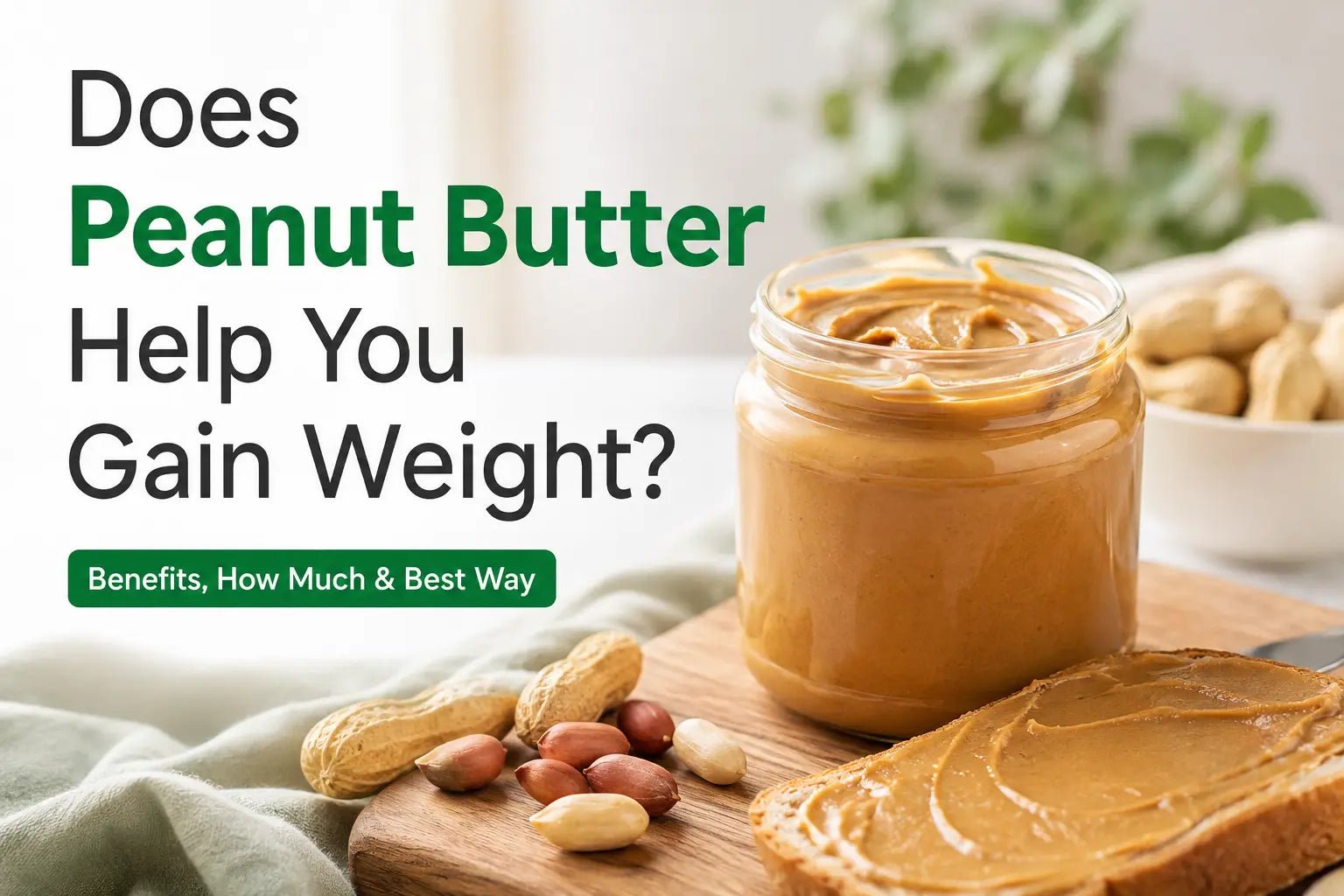
- Stir nut butter into oatmeal or porridge.
- Add olive oil, avocado, tahini, cheese, nuts, or seeds to meals.
- Make cereal or porridge with milk or a fortified alternative instead of water.
- Add yogurt, powdered milk, oats, or nut butter to a smoothie.
- Serve rice, potatoes, pasta, bread, or chapati with the main meal.
- Add eggs, hummus, cheese, tuna, chicken, tofu, or bean spread to sandwiches.
4. Include protein at each meal
Protein supports the repair and rebuilding of muscle. Spread protein foods across the day instead of saving most of them for one meal.
Useful choices include:
- Eggs, fish, chicken, turkey, and lean meat
- Milk, yogurt, cheese, cottage cheese, or fortified alternatives
- Beans, chickpeas, lentils, and dal
- Tofu, tempeh, soy foods, nuts, seeds, and nut butter
There is no single protein target for everyone with hyperthyroidism. Age, body size, activity, muscle loss, and kidney or liver health all matter. Ask your care team before making a major increase if you have kidney disease, severe liver disease, or another condition that changes protein needs.
5. Eat smaller meals more often
Three large meals can be difficult if you have nausea, diarrhea, anxiety, tremor, or early fullness. Try three smaller meals with two or three planned snacks. Eating every three to four hours while awake may help you add energy without making any one meal too large.
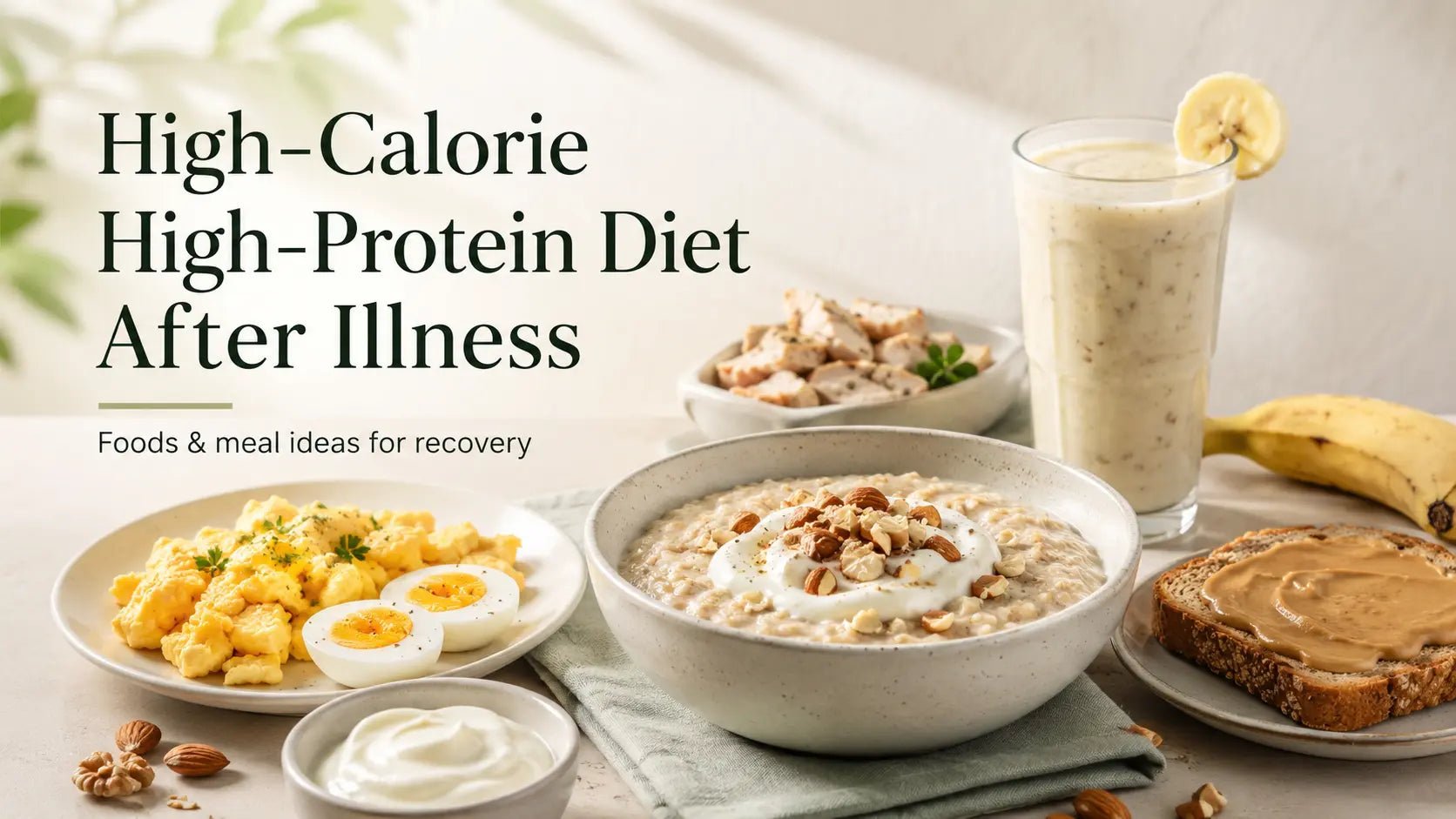
Keep easy foods nearby for times when weakness or shaking makes cooking difficult. Examples include yogurt and fruit, toast with nut butter, cheese and crackers, hummus and pita, nuts with dried fruit, a boiled egg with toast, or a nourishing smoothie.
6. Use nourishing drinks between meals
A homemade shake can help when solid food is hard to finish. Have it between meals so it does not replace food.
Simple weight-gain smoothie
- 1 cup milk or a fortified milk alternative
- 1 banana or another soft fruit
- 2 tablespoons peanut, almond, or seed butter
- 2 to 4 tablespoons oats
- Plain yogurt, if desired
- Cinnamon or cocoa for flavor
Blend until smooth. Do not add kelp, seaweed powder, iodine drops, or a “thyroid support” blend.
Ask a dietitian to modify the recipe if you have diabetes, kidney disease, a food allergy, swallowing difficulty, or a fluid restriction.
7. Review the plan as treatment works
Your body may need more food while thyroid hormone is high and less food once it is controlled. Review your intake as symptoms and test results improve.
If weighing yourself is appropriate, once or twice a week under similar conditions is usually more useful than reacting to daily changes. Daily shifts often reflect fluid, food, and bowel contents. People with an eating disorder or distress around weighing should follow their treatment team's advice instead.
Best foods for weight gain with hyperthyroidism
There is no single food that treats an overactive thyroid. A useful meal combines protein, energy-rich carbohydrate, produce, and a nutrient-rich source of extra energy.
| Meal component | Examples | Simple use |
|---|---|---|
| Protein | Eggs, dairy, fish, chicken, meat, beans, lentils, tofu | Include a source at meals and most snacks |
| Energy-rich carbohydrate | Oats, rice, bread, chapati, pasta, potatoes, corn, fruit | Use as the base of meals |
| Healthy fats | Olive oil, avocado, nuts, seeds, nut or seed butter | Add a small amount to meals or snacks |
| Fruit and vegetables | Bananas, berries, dried fruit, leafy greens, mixed vegetables | Use for vitamins, minerals, and fiber |
| Nourishing drinks | Milk, fortified alternatives, yogurt smoothies | Drink between meals when needed |
The aim is to get enough total energy, protein, carbohydrate, fat, vitamins, and minerals from a plan you can maintain. Cakes, sweets, sugary drinks, and fried snacks can fit occasionally, but they should not be the base of the plan because they provide less protein and fewer useful nutrients.
One-day hyperthyroidism weight-gain meal plan
This example is for an adult who has been told to restore weight. It is not a medical prescription. Portions should match your needs, culture, budget, treatment stage, and food preferences.
| Time | Meal idea |
|---|---|
| Breakfast | Oatmeal or porridge made with milk, banana, nut butter, and seeds; or eggs with avocado and toast |
| Morning snack | Full-fat yogurt with fruit and granola; or hummus with pita |
| Lunch | Rice or chapati with chicken, fish, tofu, or dal; cooked vegetables; yogurt; and a little added oil |
| Afternoon snack | Banana-oat smoothie with yogurt and nut butter |
| Dinner | Potatoes, pasta, or rice with fish, chicken, beans, or tofu; vegetables with olive oil or avocado |
| Evening snack | Cheese and crackers, toast with nut butter, hummus and bread, or yogurt with nuts |
Vegetarian and vegan diets can support weight restoration. Use beans, lentils, tofu, tempeh, soy milk, nuts, seeds, and nut butters. Choose fortified products when possible. Ask a dietitian for help if you avoid many foods or are still losing weight.
Managing symptoms that make eating difficult
Frequent bowel movements or diarrhea
Try smaller meals and simple foods that you tolerate. Keep drinking fluids. Greasy or very spicy food, large caffeine doses, and sugar alcohols may worsen diarrhea for some people.
Contact your clinician if diarrhea is severe, contains blood, causes dizziness, makes it hard to keep fluids down, or does not stop. Ongoing diarrhea can cause dehydration and may have another cause.
Heat intolerance and sweating
Eat in a cool room and choose cold meals when hot food is unappealing. Yogurt, smoothies, sandwiches, chilled fruit, and cold rice or pasta dishes may be easier.
Drink enough, but avoid filling up on large low-calorie drinks just before meals. If sweating or diarrhea is heavy, ask whether an oral rehydration drink is suitable. Do not take large amounts of salt or potassium on your own.
Tremor, anxiety, palpitations, and poor sleep
Caffeine may worsen shaking, anxiety, poor sleep, and a fast heartbeat. Coffee, strong tea, cola, energy drinks, and pre-workout powders are common sources. Reducing caffeine or choosing decaf may help during active symptoms. Avoid energy drinks if you have palpitations.
Poor appetite or nausea
Eat when your appetite is usually best. Cold foods may be easier because they have less smell. Keep ready-to-eat snacks nearby. Tell your clinician if you cannot eat, vomit often, feel dehydrated, or continue to lose weight.
Iodine, supplements, and foods to avoid
Online “hyperthyroidism diet” lists are often more restrictive than necessary. Most people do not need to remove many normal foods. The key is to avoid unsafe supplement doses and follow instructions for your exact diagnosis and treatment.
Do you need a low-iodine diet?
Usually not. The body needs iodine to make thyroid hormone, but large amounts can cause or worsen hyperthyroidism in some people. Kelp, dulse, seaweed powders, iodine drops, and some supplements may contain very high doses. Some multivitamins, cough medicines, and heart medicines also contain iodine.
The NIH Office of Dietary Supplements explains that iodine is essential but excessive intake can cause thyroid problems. The NIDDK specifically warns that large amounts from kelp, seaweed, supplements, and some medicines may cause or worsen hyperthyroidism.
A clinician may prescribe a low-iodine diet for a short period before an iodine-uptake test or radioactive iodine treatment. Follow the exact instructions you receive. Do not continue a strict low-iodine diet longer than advised.
Should you avoid seafood, dairy, or iodized salt?
Do not remove these foods automatically. They can provide protein, calcium, iodine, and other nutrients. The right advice depends on your diagnosis, local food supply, usual intake, and planned tests or treatment. Concentrated iodine supplements and kelp products are more concerning than a normal mixed diet, unless your medical team gives different instructions.
What about gluten, soy, and cruciferous vegetables?
There is no need for everyone with hyperthyroidism to avoid gluten, soy, broccoli, cabbage, or cauliflower. Avoid gluten if you have celiac disease, a wheat allergy, or another clear medical reason. Soy foods can be a useful protein source. Very restrictive diets can make unwanted weight loss worse.
Calcium and vitamin D
Untreated hyperthyroidism can weaken bones. Calcium-rich foods include milk, yogurt, cheese, calcium-set tofu, and fortified plant drinks. Vitamin D comes from some fish, fortified foods, sunlight exposure, and supplements when needed.
Do not assume a high-dose supplement is safe or necessary. Ask whether you need a blood test, bone-density test, or supplement based on your age, diet, thyroid history, and other risks.
Are protein powders, mass gainers, and thyroid supplements safe?
Check the full label before using a protein powder or mass gainer. Avoid products containing:
- Kelp, seaweed, or added high-dose iodine
- Large stimulant or caffeine doses
- “Thyroid glandular” ingredients
- Hidden proprietary herbal blends
- Very high doses of vitamins or minerals
Choose a simple product with clearly listed ingredients and show the label to a pharmacist, clinician, or dietitian. No supplement can replace hyperthyroidism treatment.
Exercise and hyperthyroidism: rebuilding muscle safely
Exercise can help rebuild muscle, but timing matters. Active hyperthyroidism can raise heart rate, weaken muscles, and place extra strain on the heart.
Ask for medical clearance before hard exercise or weight training if you have:
- A fast or irregular heartbeat
- Chest discomfort or severe shortness of breath
- Dizziness or fainting
- Marked muscle weakness
- Uncontrolled thyroid hormone levels
- Heart disease or osteoporosis
While hyperthyroidism is active, your clinician may recommend rest, gentle walking, stretching, or light daily activity. After you are cleared, begin slowly with movements such as sit-to-stands, wall push-ups, resistance bands, or light weights.
A small clinical study found that resistance training improved muscle function and body composition during hyperthyroidism recovery (Bousquet-Santos et al., 2006). Because the study was small, it does not establish one routine that is safe for everyone.
Stop exercising and seek urgent advice for chest pain, fainting, severe breathlessness, or a new rapid or irregular heartbeat.
Weight gain after hyperthyroidism treatment
Weight gain after treatment is common because energy use falls as thyroid hormone returns toward a healthy range. The body may also restore some fluid, muscle, fat, and bone density lost during the illness. This does not mean treatment has failed.
There is no fixed amount or timeline. Weight may rise during the first few months and can keep changing as thyroid levels, appetite, treatment, and activity settle.
A 2025 study followed 110 treated adults for an average of 24 months. About 53% gained at least 10% compared with their weight at diagnosis. More severe thyrotoxicosis and greater illness-related weight loss were linked with more regain. Most participants were from Cyprus, so the results cannot predict what will happen to one person (Kyriacou et al., 2025).
Does methimazole cause weight gain?
Methimazole lowers the thyroid's production of hormone. It does not simply “turn calories into fat.” As unusually high energy use returns toward normal, weight may rise. Appetite and larger portions may also remain high for a while.
Some regain may be healthy if it replaces weight and muscle lost during illness. If weight continues rising past the range agreed with your care team, ask for a review of thyroid tests, symptoms, food intake, and activity.
Do not skip methimazole or change the dose to prevent weight gain. Fever, chills, or a constant or severe sore throat while taking an antithyroid medicine can signal a rare but serious fall in white blood cells. Contact your prescriber or urgent medical service immediately and follow the instructions you were given. See MedlinePlus methimazole safety information.
Weight after radioactive iodine or surgery
Radioactive iodine and thyroid surgery can lower thyroid function. Some people develop hypothyroidism and need thyroid hormone replacement.
Ask for a thyroid check if weight gain comes with new tiredness, constipation, feeling cold, dry skin, low mood, or a slower heartbeat. These symptoms do not prove hypothyroidism, but they are a reason for review.
How to prevent more weight gain than you need
- Do not keep adding calories once weight is rising steadily.
- Recheck your food plan as thyroid results improve.
- Keep balanced meals and protein while removing extras that are no longer needed.
- Return to safe aerobic and strength activity as your clinician allows.
- Review weight weekly rather than reacting to daily changes.
- Request thyroid testing if weight rises quickly or low-thyroid symptoms appear.
The aim is not to avoid all weight gain. It is to restore health without continuing the active-hyperthyroidism eating plan after your energy needs have fallen.
What if you are still losing weight after treatment?
Do not respond to ongoing loss only by adding more and more food. Thyroid levels may take time to settle, the treatment may need review, or another condition may be present.
Contact your care team if:
- Weight continues to fall after treatment begins
- You cannot eat enough to maintain weight
- Diarrhea, vomiting, pain, or swallowing difficulty continues
- Weakness is getting worse
- You feel dizzy or dehydrated
- Your heartbeat remains fast or irregular
- Thyroid results are normal but unplanned weight loss continues
Your clinician may repeat thyroid tests and review medicine use, appetite, digestion, blood sugar, mental health, infection, and other possible causes. A registered dietitian can check whether your intake meets your changing needs.
When is hyperthyroidism an emergency?
A thyroid storm is a rare, life-threatening worsening of hyperthyroidism. Call your local emergency number for a very rapid heartbeat with high fever, severe agitation, confusion, fainting, or loss of consciousness. Do not wait for a routine appointment. The NHS guide to hyperthyroidism complications lists these warning signs.
Seek urgent medical help for chest pain, severe shortness of breath, fainting, or a new rapid or irregular heartbeat, even without a fever.
A practical two-week starter plan
Use this plan only after a clinician has assessed your hyperthyroidism and agreed that weight restoration is appropriate.
Days 1 to 3: Find your starting point
- Record meals, snacks, drinks, symptoms, and medicine times.
- Measure your weight once, if weighing is appropriate for you.
- List foods that are easy or hard to eat.
- Arrange follow-up if weight is still falling.
Days 4 to 7: Add one or two changes
- Add one planned snack each day.
- Add protein to meals that do not contain it.
- Fortify one meal with oil, avocado, cheese, seeds, yogurt, or nut butter.
- Replace one low-calorie drink with a nourishing drink between meals if needed.
Week 2: Review the trend
- Check weight again under similar conditions, if advised.
- Note changes in strength, appetite, bowel symptoms, sleep, and palpitations.
- If weight is still falling, contact your care team instead of making a very large calorie increase alone.
- If weight is rising quickly as thyroid symptoms improve, review the added snacks and calorie boosters.
Frequently asked questions
Can you gain weight while you still have hyperthyroidism?
Yes, but it may be difficult while thyroid hormone remains high. A higher-energy diet may slow or stop further loss, but treating the overactive thyroid corrects the main cause. The first realistic goal may be weight stability.
How fast should you gain weight with hyperthyroidism?
There is no hyperthyroidism-specific rate that is safe for everyone. Aim first to stop ongoing loss, then build a slow and reviewable upward trend. Your clinician or dietitian should consider your starting weight, nutrition, heart health, symptoms, and thyroid results.
How much weight can hyperthyroidism make you lose?
There is no single normal amount. It depends on the hormone levels, duration of illness, appetite, age, starting weight, muscle mass, and other health conditions. Any continuing unplanned weight loss deserves medical review.
What are the best foods to gain weight with hyperthyroidism?
Choose foods that provide both energy and nutrients. Combine eggs, dairy, fish, chicken, beans, lentils, or tofu with rice, oats, potatoes, bread, chapati, pasta, or fruit. Add nuts, seeds, avocado, olive oil, yogurt, or nut butter for extra energy.
Can you drink protein shakes with hyperthyroidism?
Often, yes. Choose a simple shake without kelp, high-dose iodine, stimulant herbs, or large caffeine doses. Ask a clinician first if you have kidney disease, diabetes, allergies, swallowing problems, or a fluid restriction.
Should you avoid iodine completely?
No. Iodine is an essential nutrient, and a zero-iodine diet is not a normal treatment. Avoid high-dose iodine and kelp supplements unless prescribed. Follow a low-iodine plan only when your care team gives you one for a test or treatment.
Can you lift weights with hyperthyroidism?
Not always right away. Uncontrolled hyperthyroidism can strain the heart and weaken muscles. Ask your clinician before hard exercise or weight training, especially if you have palpitations, weakness, dizziness, heart disease, osteoporosis, or abnormal thyroid levels.
Why are you gaining more than your pre-illness weight?
Appetite and larger portions may continue after energy use falls. Some people also develop low thyroid hormone during or after treatment. Review thyroid tests, symptoms, food intake, and activity rather than stopping treatment.
Why are you still losing weight when thyroid tests are normal?
Another condition may be causing the loss, or your body may still be recovering. Your clinician may review digestion, blood sugar, medicines, mental health, infection, and other possible causes. Normal thyroid results do not make continued unplanned weight loss something to ignore.
The bottom line
The safest answer to hyperthyroidism and weight loss is not simply to eat as much as possible. Treat the overactive thyroid first. Then use a planned diet to stop further loss, restore muscle, and reach a healthy, stable weight.
Choose protein-rich meals, nutrient-dense calorie boosters, smaller frequent meals, and simple shakes when needed. Avoid high-dose iodine and untested thyroid supplements. Wait for medical clearance before hard exercise if symptoms or thyroid levels are uncontrolled.
Most importantly, change the plan as treatment works. The extra food needed during active hyperthyroidism may lead to more gain than you need after your metabolism returns toward normal.
We rely on peer-reviewed studies and reputable medical journals.