

Best Pakistani Foods for Fat Loss: A Complete Science-Based Nutrition & Meal Guide
You do not need to give up traditional desi cooking to lose weight. Discover the best high-protein, fiber-dense Pakistani foods, from daal and chicken tikka to portion-smart roti and rice, and learn how simple low-oil...
Pakistani food can fully support fat loss without eliminating roti, rice, daal, or traditional home-cooked meals. The most effective fat-loss choices are protein-rich and fiber-dense staples prepared with measured cooking oil (1 teaspoon per serving): skinless chicken tikka, local white fish, whole eggs, daal (masoor/moong/chana), boiled kala chana, low-oil sabzi (lauki, bhindi, palak), plain low-fat dahi, and portion-controlled whole-wheat chakki roti or parboiled basmati rice.
No single desi food or drink "burns" fat by itself. Sustainable fat loss occurs when high-satiety traditional foods help you maintain a consistent, moderate calorie deficit while preserving lean muscle mass.
1. Master Pakistani Fat-Loss Food Matrix
The table below outlines common Pakistani foods, standard cooked serving sizes, estimated caloric and macronutrient values, and key cooking rules to support a calorie deficit.
| Food Item | Food Group | Typical Cooked Serving | Calories | Protein | Fiber | Fat-Loss Mechanism & Preparation Rule |
|---|---|---|---|---|---|---|
| Chicken Tikka / Boti | Lean Meat | 150 g (1 breast piece) | ~180 kcal | 35 g | 0 g | Highest protein-per-calorie ratio; grill or air-fry without oil basting. |
| Local White Fish (Rohu / Sole) | Lean Seafood | 150 g fillet | ~145 kcal | 29 g | 0 g | Rich in essential amino acids; pan-sear on a tawa with spices instead of besan deep-frying. |
| Boiled Whole Eggs & Whites | Whole Protein | 2 whole eggs + 2 whites | ~180 kcal | 20 g | 0 g | Maximum satiety index; make a desi vegetable omelet using a non-stick pan with 1 tsp oil. |
| Kala Chana (Black Chickpeas) | Legumes | 1 cup cooked (160 g) | ~210 kcal | 12 g | 10 g | Dense seed coat provides slow-release soluble fiber; ideal as an afternoon chaat. |
| Moong / Masoor Daal | Lentils | 1 cup cooked (180 g) | ~160 kcal | 11 g | 8 g | Nutrient-dense plant protein; use a dry-aromatic tarka with only 1 tsp oil/ghee. |
| Lauki / Tori (Gourds) | High-Volume Sabzi | 1.5 cups cooked (low oil) | ~80 kcal | 2 g | 4 g | >90% water content; provides large physical meal volume with minimal energy density. |
| Palak / Saag (Spinach) | Leafy Greens | 1.5 cups cooked | ~75 kcal | 4 g | 5 g | Contains thylakoids that slow fat digestion and curb appetite; cook as Palak Chicken. |
| Bhindi (Okra) | Soluble Fiber Sabzi | 1 cup cooked | ~85 kcal | 3 g | 4 g | High in mucilage pectin fiber; sauté with onions and tomatoes instead of deep-frying. |
| Plain Low-Fat Dahi (Yogurt) | Probiotic Dairy | 1 cup (200 g) | ~110 kcal | 10 g | 0 g | Contains slow-digesting casein and fast whey; make kachumber raita with roasted cumin. |
| Chakki Whole-Wheat Roti | Complex Grain | 1 medium (35 g dry flour) | ~110 kcal | 3.5 g | 3.5 g | Retains natural bran and germ; eat dry on the tawa without brushing ghee or butter. |
| Parboiled Basmati Rice (Sella) | Complex Grain | ½ cup cooked (80 g) | ~105 kcal | 2.5 g | 1.5 g | Lower glycemic impact; cooling after cooking increases gut-friendly resistant starch. |
| Bhuna Chana (Roasted Gram) | Desi Snack | 1 handful (30 g) | ~110 kcal | 6 g | 5 g | Crunchy whole snack with brown skin intact; suppresses between-meal sugar cravings. |
*Note: Caloric values are approximations based on the Food Composition Table for Pakistan and standard food composition databases. Cooking with extra oil or ghee will increase caloric density.
2. The Science: Why Desi Food Causes Weight Gain (and How to Fix It)
Traditional Pakistani cuisine is fundamentally nutritious: it relies on lean poultry, whole pulses, antioxidant-rich spices (turmeric, ginger, garlic, cumin), and unrefined grains. The primary driver of unintentional weight gain in Pakistani households is not the core ingredients, but invisible cooking fats and unbalanced plate proportions.
- 3–5 Tbsp floating oil (tari) per bowl
- Chicken / Daal Base: 180 kcal
- Hidden Oil Calories: 360–600 kcal
- Total per serving: 540–780 kcal
- Low Satiety / Rapid Hunger Return
- 1 Tsp (5 ml) measured oil per serving
- Chicken / Daal Base: 180 kcal
- Measured Oil Calories: 40 kcal
- Total per serving: 220 kcal
- High Protein / High Satiety Retention
The Three Biological Pillars of Desi Fat Loss
-
The Thermic Effect of Food (TEF): Dietary protein requires significantly more metabolic energy to digest, absorb, and process than fats or carbohydrates. The body uses 20% to 30% of the calories from dietary protein during digestion, compared to just 0% to 3% for cooking fats. Increasing lean protein in Pakistani meals elevates 24-hour energy expenditure naturally.
-
Hormonal Satiety Signalling (GLP-1, PYY & Ghrelin): Meals dominated by refined carbohydrates (white flour naan, sweet chai) cause rapid glucose spikes followed by reactive hypoglycemia. Pairing lean meats, daal, and viscous vegetable fibers stimulates the gut hormones Glucagon-Like Peptide-1 (GLP-1) and Peptide YY (PYY) while suppressing Ghrelin (the hunger hormone), keeping you satisfied for 4 to 6 hours.
-
The Hidden Oil Reality: One tablespoon (15 ml) of cooking oil or desi ghee contains approximately 120 to 135 calories. When salan is cooked with unmeasured oil pouring, a modest plate of chicken curry or daal can easily triple in caloric load without adding physical fullness.
3. Deep Food Profiles: The Best Pakistani Foods for Fat Loss
1. Skinless Chicken Breast & Chicken Tikka
- Nutritional Profile (150 g grilled breast): ~180 kcal | 35 g Protein | 3 g Fat | 0 g Carbs
- Why It Works: Chicken breast provides concentrated, bioavailable protein with minimal intramuscular fat. Traditional tandoori marination—using dahi, lemon juice, garlic, ginger, crushed red chili, and carom seeds—infuses intense flavor without requiring oil or heavy cream.
- Common Calorie Trap: Commercial butter chicken, chicken handi made with processed cream, and frying pre-marinated boti in butter.
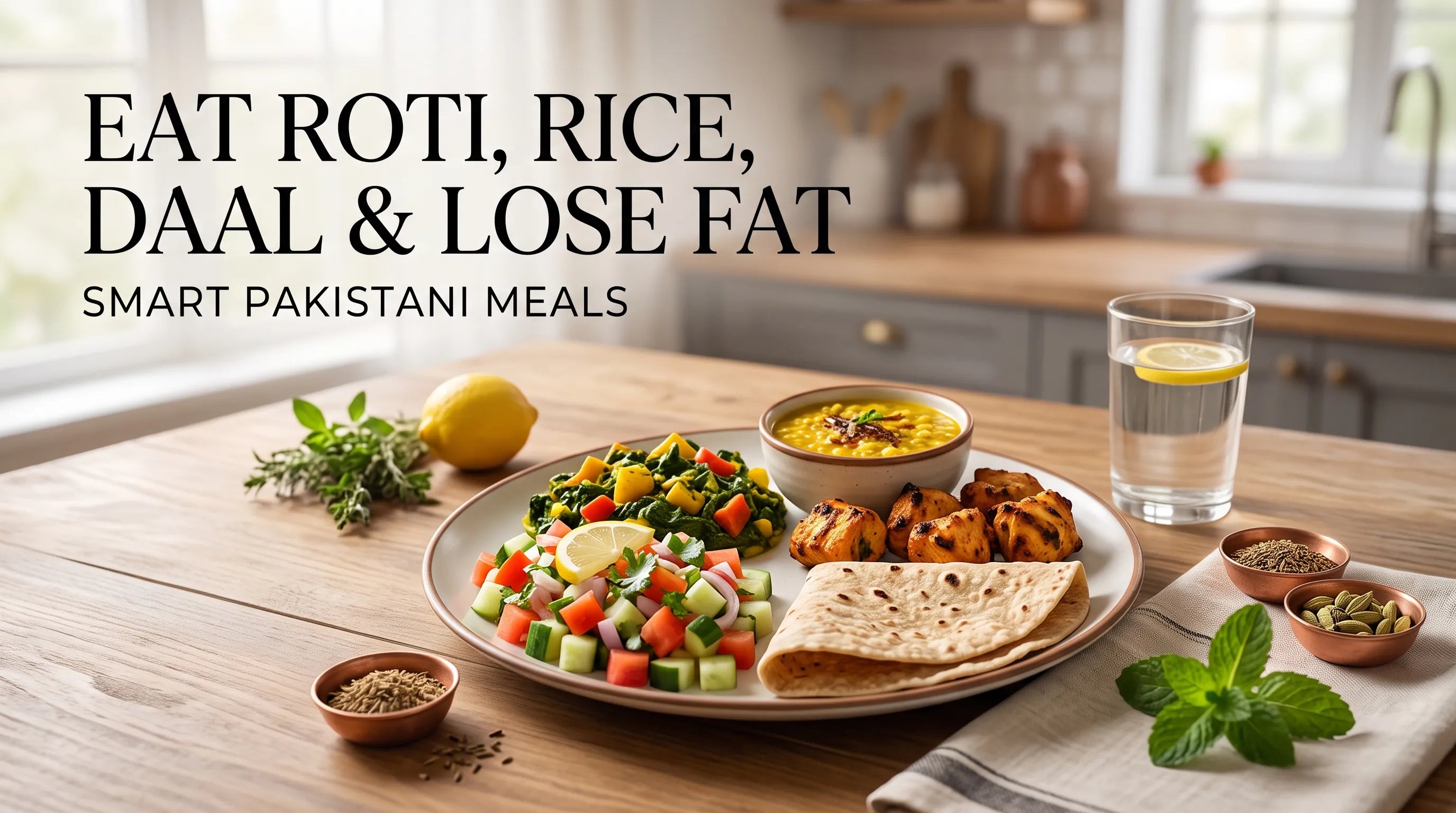
- Best Pairing: 150 g Chicken Tikka + 1 cup fresh Kachumber salad + ½ cup mint raita + 1 whole-wheat chapati.
2. Local White Fish (Rohu, Sole, Trout, Singhara)
- Nutritional Profile (150 g pan-seared fillet): ~145 kcal | 29 g Protein | 3 g Fat | 0 g Carbs
- Why It Works: Indigenous fresh-water and marine fish are naturally lean, rich in iodine and omega-3 fatty acids, and digest easily.
- Common Calorie Trap: Street-style deep-fried fish coated in thick besan (gram flour) batter, which absorbs up to 25 ml of oxidized oil per serving.
- Best Pairing: Tawa-grilled fish rubbed with ajwain (carom seeds), haldi (turmeric), and lemon, paired with steamed vegetables or a small serving of parboiled rice.
3. Whole Eggs & Egg Whites (Anday)
- Nutritional Profile (2 whole eggs + 2 whites): ~180 kcal | 20 g Protein | 10 g Fat | 1 g Carbs
- Why It Works: Whole eggs offer an optimal essential amino acid profile and choline for liver metabolic function. Adding two additional egg whites doubles the protein volume while adding only ~34 calories and zero fat.
- Preparation Method: Prepare a Pakistani-style vegetable omelet (anda bhurji) with finely diced red onions, tomatoes, green chillies, and fresh coriander, cooked on a non-stick skillet using 1 level teaspoon of oil.
4. High-Yield Legumes: Chana Daal, Moong Daal & Lobia
- Nutritional Profile (1 cup cooked moong/masoor daal): ~160 kcal | 11 g Protein | 8 g Fiber | 26 g Carbs
- Why It Works: Lentils and black-eyed peas (lobia) provide a matrix of complex carbohydrates, plant-based protein, and prebiotic soluble fiber that supports gut microbiota.
- Preparation Method: Prepare a thick daal base using boiled pulses stewed with turmeric, garlic, and tomato puree. Finish with a "dry tarka"—sautéing cumin seeds (zeera), whole red button chillies, and sliced garlic in only 1 teaspoon of oil.
5. High-Volume, Low-Calorie Sabzis (Vegetable Curries)
- Nutritional Profile (1.5 cups cooked Lauki/Tori/Palak): ~75–85 kcal | 3–4 g Protein | 4–5 g Fiber
-
Why It Works:
- Lauki (Bottle Gourd) & Tori (Ridge Gourd): Composed of over 90% water by weight, providing gastric distension that triggers mechanical fullness stretch receptors.
- Palak (Spinach) & Saag: Contain thylakoids—microscopic photosynthetic membrane structures shown to delay lipid digestion and prolong satiety.
- Bhindi (Okra): Rich in soluble mucilage fiber that stabilizes postprandial blood glucose absorption.
- The Sabzi Rule: Avoid frying sabzi until it collapses into oil. Sauté gently with whole spices, deglazing the pan with tablespoons of warm water.
6. Plain Low-Fat Dahi (Yogurt) & Homemade Raita
- Nutritional Profile (1 cup / 200 g): ~110 kcal | 10 g Protein | 4 g Fat | 8 g Carbs
- Why It Works: Dahi contains a dual protein matrix: fast-digesting whey and slow-digesting casein. Casein forms a light gel in the stomach, steadily releasing amino acids over several hours.
- Preparation Method: Whip skimmed milk dahi with grated cucumber, fresh mint, crushed roasted cumin, and a pinch of black salt (kala namak). Avoid store-bought sweetened yogurts or boondi-loaded raitas.
4. Grains & Carbohydrates: The Roti vs. Rice Debate
- White Flour Naan (Maida)
- Deep-Fried Poori / Paratha
- Oily Restaurant Biryani / Pulao
- Rapid insulin spike & quick crash
- 100% Whole-Wheat Chakki Atta Roti
- Jowar (Sorghum) / Bajra Flatbread
- Parboiled Basmati Rice (Cooled)
- Sustained energy & steady glucose
Is Roti Better Than Rice for Fat Loss?
Neither grain inherently prevents or causes fat loss; energy balance and portion volume govern weight changes:
- 100% Whole-Wheat Chakki Roti: 1 medium roti (35 g dry flour) yields ~110 kcal, 3.5 g protein, and 3.5 g fiber. Chakki milling retains the bran and wheat germ, delivering slow gastric emptying.
- Basmati Rice: ½ cup cooked rice yields ~105 kcal, 2.5 g protein, and 1.5 g fiber. Rice is easier to overconsume unintentionally because of its soft texture.
The Resistant Starch Cooking Hack
When cooked parboiled (Sella) basmati rice is cooled in a refrigerator (4°C) for several hours before reheating, a portion of its digestible amylose recrystallizes into Type-3 Resistant Starch. This starch resists enzymatic digestion in the small intestine, reducing net metabolizable calories and functioning as prebiotic fuel for colonic bacteria.
The 2:1 Daal-to-Rice Ratio
When eating Daal Chawal, reverse the traditional household ratio:
- Traditional Plate: 70% white rice + 30% oily daal (high glycemic load, low protein density).
- Fat-Loss Plate: 1.5 cups thick, low-oil daal + ½ cup parboiled rice + 1 large bowl of fresh kachumber salad.
5. Functional Desi Snacks & Appetite Suppressors
-
Bhuna Chana (Roasted Black Chickpeas with Skin): A 30 g handful provides 110 kcal, 6 g protein, and 5 g fiber. The fibrous outer husk requires substantial mastication, signaling early satiety to the central nervous system.
-
Phool Makhana (Roasted Fox Nuts): Puffed water-lily seeds roasted in a dry pan with a pinch of turmeric and black salt. Two full cups contain under 100 calories, offering a light, high-volume alternative to potato chips.
-
Pre-Meal Isabgol (Psyllium Husk) Protocol: Stir 1 tablespoon (10 g) of unflavored isabgol husk into a tall glass of room-temperature water; drink immediately 15 minutes before lunch or dinner. The soluble fiber forms a gentle gel matrix in the stomach, moderating postprandial glucose absorption and reducing meal portion intake by 15% to 25%.
-
Tukhm-e-Balanga (Sweet Basil Seeds): Soaking 1 teaspoon of basil seeds in water creates a gelatinous coating rich in alpha-linolenic acid (ALA) and soluble fiber. Mix into cold water with lemon juice as a zero-sugar thirst quencher.
-
Cinnamon & Green Cardamom Kahwa: Brew green tea leaves with crushed Ceylon cinnamon (dalchini) and green cardamom. Cinnamon supports insulin receptor sensitivity, making kahwa an effective zero-calorie replacement for evening sweetened chai.
6. Culinary Transformation: The 1-Teaspoon Oil Rule
-
Measure with a Teaspoon, Never Pour: Allocate 1 to 2 level teaspoons (5–10 ml = 40–80 kcal) of oil or pure desi ghee per person for the entire dish.
-
Water-Base Bhunai (Deglazing): Desi masala base gets its depth from caramelizing pureed onions, ripe tomatoes, garlic, and ginger. When the masala begins to stick to the pot, add 2 tablespoons of hot water to deglaze the spices rather than pouring in more oil.
-
The "Dum" (Steam-Simmer) Method: Seal vegetables and meats in a heavy-bottomed or non-stick pot on low heat. The natural moisture will braise the ingredients in their own juices.
7. The Visual 50-25-25 Desi Plate & 1-Day Meal Plan
Low-Oil Sabzi & Fresh Kachumber Salad
Lean Protein Source
(Chicken Tikka, Fish, Boiled Eggs, or Daal)
Complex Carbohydrates
(1 Chakki Roti OR ½ Cup Parboiled Rice)
A Flexible 1-Day Pakistani Fat-Loss Meal Template
2-egg vegetable omelet (onions, tomatoes, spinach, green chillies) + 1 medium dry whole-wheat chapati + 1 cup chai (with 50 ml low-fat milk, unrefined or zero sugar).
1 medium guava (amrood) sprinkled with black pepper and lemon juice, or 1 fresh orange/kinnow.
150 g Chicken breast curry (cooked via water-based bhunai) + 1.5 cups mixed sabzi (gobi, lauki, or palak) + 1 dry chapati + a generous bowl of kachumber salad.
1 handful (30 g) roasted bhuna chana + a hot cup of cardamom-mint kahwa.
1 cup thick yellow moong daal (light tarka) + ½ cup parboiled basmati rice + 1 cup chilled cucumber-mint raita + sliced radishes (mooli).
1 small seasonal fruit, or 1 tablespoon hung curd mixed with a dash of cinnamon powder.
8. Navigating Real-World Desi Scenarios: Dawats, Weddings & Ramadan
A. What to Order at BBQ Joints & Desi Restaurants
- Choose Freely: Chicken Tikka, Seekh Kebabs (chicken or lean beef), Grilled Fish, Steamed Rice, Tandoori Roti, Fresh Salad, Plain Raita.
- Strictly Limit: Creamy Chicken Handi, White Mutton Karahi finished with butter, Fried Fish in besan batter, Roghni Naan, and sugary sodas.
- Restaurant Rule: Order a large bowl of fresh salad and plain raita before the main meat arrives to manage portion sizes naturally.
B. Managing Weddings and Family Dawats
- The "One Rich Item" Strategy: Do not attempt to sample every heavy dish. Choose one celebratory item you enjoy most (e.g., a single moderate serving of mutton biryani) and fill the rest of your plate with grilled tikka, seekh kebabs, and salad.
- Pre-Dawat Buffer: Do not starve yourself all day before an event. Eat a high-protein snack (2 boiled eggs or 1 cup dahi) at 5:00 PM to prevent uncontrolled appetite at late-night wedding buffets.
C. The Chai Audit: Fixing the Daily Liquid Sugar Habit
Drinking 3 to 4 cups of traditional doodh patti (cooked with whole buffalo milk and 2 teaspoons of refined sugar per cup) adds 250 to 400 empty liquid calories daily:
- Week 1: Reduce added sugar by half (from 2 spoons to 1 spoon per cup).
- Week 2: Switch from full-cream buffalo milk to low-fat cow’s milk (50% water, 50% milk ratio).
- Week 3: Eliminate refined sugar entirely, or transition afternoon cups to herbal kahwa with cinnamon and green cardamom.
D. Ramadan Fasting Protocol (Sehri & Iftar)
- Satiety-Focused Sehri: Combine slow-digesting complex carbs and whole proteins to sustain steady energy throughout the fast. Example: 2 boiled eggs + 1 whole-wheat chapati + ½ cup plain dahi + 1 glass water with 1 tbsp isabgol.
- Calorie-Controlled Iftar: Break fast with 1 glass of plain water and 1 date. Avoid deep-fried pakoras, samosas, and sugar syrups (rooh afza) as daily staples. Replace them with chilled Kala Chana Chaat, boiled fruit chaat without added sugar, and grilled seekh kebabs.
9. Special Populations & Clinical Safety Guardrails
Dietary adjustments must be personalized for individual medical conditions:
- Vegetarian Protein Optimization: Combine varied plant sources (daal + whole-wheat roti, or chana + low-fat dahi) across the day to ensure a complete essential amino acid profile.
- Type 2 Diabetes & Insulin Resistance: Emphasize high-viscosity soluble fiber (isabgol, bhindi, kala chana) and limit single-meal carbohydrate boluses (no more than 1 medium chapati or ½ cup parboiled rice per sitting).
- Chronic Kidney Disease (CKD): Individuals with compromised renal function must consult a nephrologist or clinical dietitian before adopting high-protein or potassium-dense legume diets.
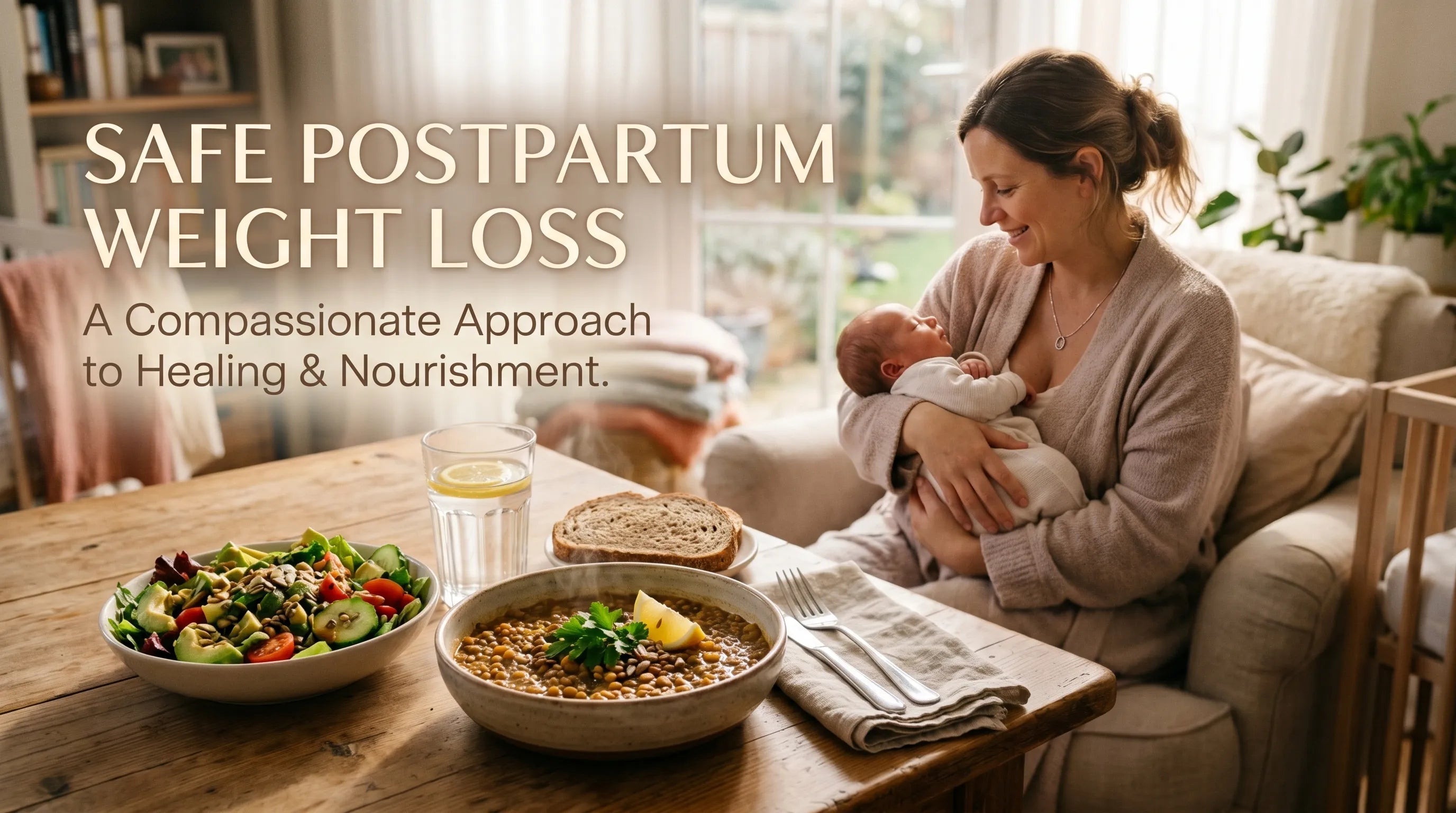
- Pregnancy, Lactation, & Adolescents: Calorie restriction is medically contraindicated during pregnancy and lactation. Focus on nutrient density rather than weight reduction.
- History of Disordered Eating: Avoid rigid calorie tracking or food elimination. Focus on hunger-satiety cues and balanced plate composition under professional supervision.
Personalized Clinical Nutrition at MNT
Looking for a customized, sustainable fat-loss plan built around your medical history, routine, and favorite home-cooked Pakistani meals? Work 1-on-1 with our Registered Dietitians.
Book an Online Nutrition Consultation10. Frequently Asked Questions (FAQ)
Can I eat roti every day and still lose weight?
Yes. Fat loss depends on maintaining a total calorie deficit. One medium whole-wheat chakki roti contains ~110 calories and provides complex carbohydrates and fiber. Eat 1 to 2 dry rotis per meal and avoid brushing ghee or butter on top (chupri hui roti).
Is Daal Chawal allowed on a fat-loss diet?
Yes, provided you adjust the plate proportions. Instead of a large mound of white rice with a small drizzle of daal, use a 2:1 Daal-to-Rice ratio: 1.5 cups of thick, low-oil daal, ½ cup of parboiled basmati rice, and a generous bowl of fresh kachumber salad.
Can I eat biryani once a week and still lose fat?
Yes. One planned biryani meal per week can fit within a healthy lifestyle. Have a single measured plate, skip naan or deep-fried sides, pair it with salad and plain raita, and return to your routine at the next meal.
Which cooking oil is best for weight loss in Pakistan?
The total volume of oil matters far more than the specific type, because all cooking oils and desi ghee provide roughly 120–135 calories per tablespoon. For daily cooking, use cold-pressed mustard oil (sarson ka tel), olive pomace oil, or moderate amounts of desi ghee—strictly measured with a teaspoon.
Do lemon water, jeera water, or green tea burn belly fat?
No beverage directly breaks down adipose tissue. While unsweetened herbal teas and infused water support hydration and replace sugary drinks, fat reduction requires a sustained caloric deficit.
Can I lose fat on a Pakistani diet without going to a gym?
Yes. Nutritional intake and portion control drive the calorie deficit needed for fat loss. However, regular daily walking and resistance training help preserve lean muscle tissue and support metabolic rate during weight reduction.
11. The Bottom Line
Sustainable fat loss does not require adopting unfamiliar western diets, drinking meal replacements, or eliminating traditional desi foods. Traditional Pakistani cooking—anchored by lentils, poultry, seafood, whole grains, yogurt, and local seasonal vegetables—provides an effective nutritional framework for long-term health.
To achieve lasting results:
- Prioritize Protein First: Include skinless chicken, fish, eggs, daal, or dahi with every meal.
- Double Meal Volume with Sabzi: Fill half your plate with low-oil vegetable curries and kachumber salad.
- Control Starch Portions: Stick to 100% whole-wheat chakki roti or portion-controlled parboiled rice.
- Enforce the 1-Teaspoon Oil Rule: Measure cooking fat with a spoon to eliminate hidden liquid calories.
- Manage Cultural Traps: Reduce added sugar in daily chai and choose grilled options over rich curries at social events.
We rely on peer-reviewed studies and reputable medical journals.