

Can Constipation Stop Weight Loss? Scale Weight vs Fat Loss
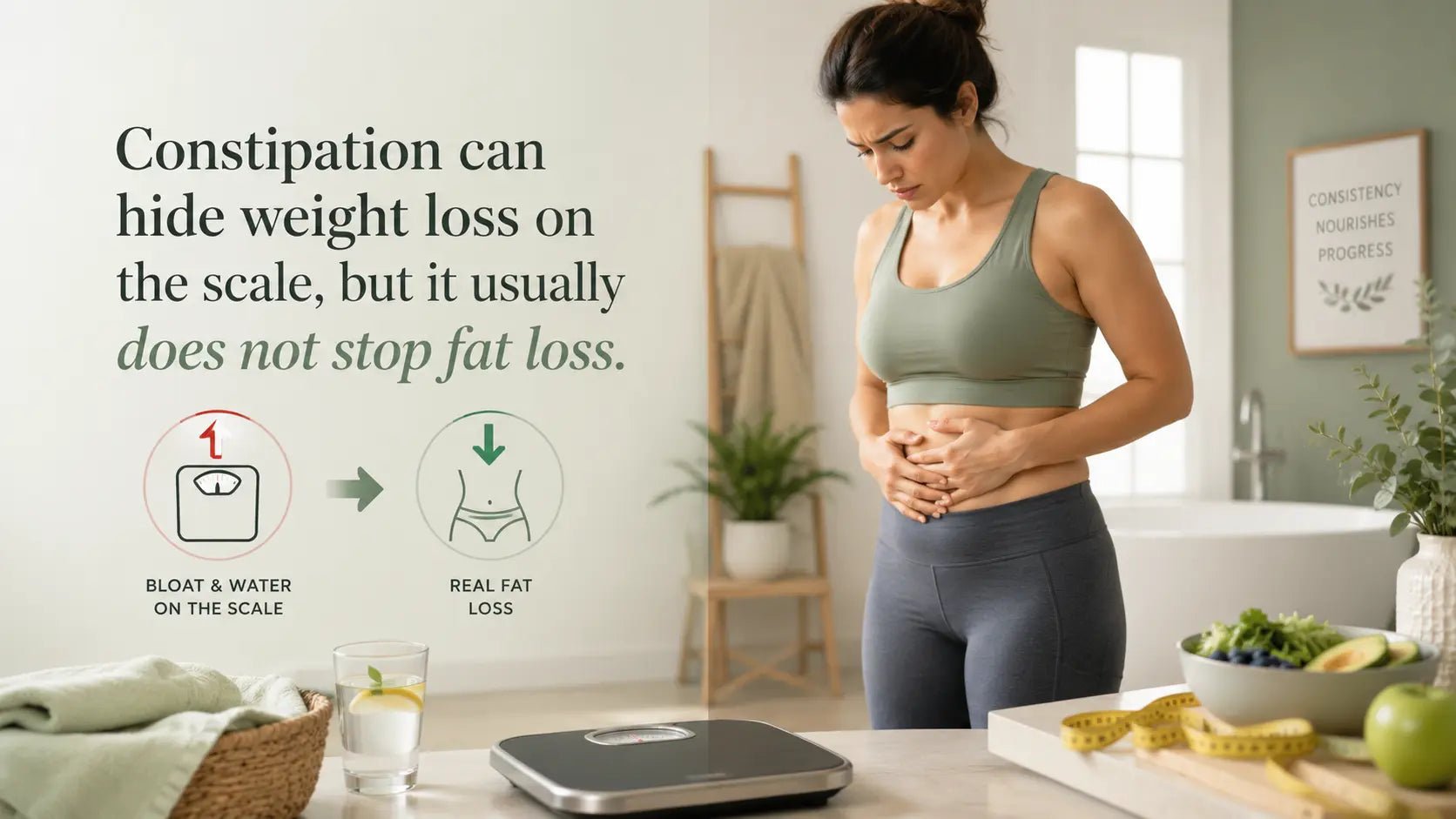
Constipation usually does not stop fat loss, but it can make your weight look stuck because of stool, gas, bloating, and water retention.
Share
Quick Answer
Constipation usually does not stop fat loss, but it can temporarily hide weight loss on the scale.
If you are eating in a true calorie deficit, your body can still lose fat even if your bowel movements are slow. However, constipation can make your weight look stuck because stool, gas, bloating, and fluid shifts can temporarily increase scale weight.
The key point is simple:
Constipation affects scale weight more than fat loss.
Fat loss depends mainly on long-term energy balance. When your body uses more energy than you consume over time, weight loss can occur. The CDC explains that physical activity increases calorie use, and when this is combined with reducing calorie intake, it creates a calorie deficit that supports weight loss.
Constipation is different. NIDDK defines constipation as having fewer than three bowel movements per week, hard or dry stools, painful stool passage, or a feeling that stool has not fully passed.
So the best answer is:
Constipation can temporarily hide weight loss, but it does not usually stop fat loss.
Constipation and Weight Loss: Fast Answers
| Question | Direct Answer |
|---|---|
| Can constipation stop fat loss? | Usually no. Fat loss depends mainly on long-term energy balance. |
| Can constipation make you weigh more? | Yes, temporarily. Retained stool, gas, bloating, and fluid shifts can raise scale weight. |
| Can constipation make weight loss look stalled? | Yes. A few days of no scale movement may be digestive weight, not a real plateau. |
| Can pooping make the scale go down? | Yes, temporarily. But that is stool weight, not fat loss. |
| Do laxatives help with fat loss? | No. Laxatives do not remove body fat and should not be used for weight loss. |
| Should constipation with unexplained weight loss be ignored? | No. It can be a red flag and should be checked by a healthcare professional. |
 What Is the Difference Between Fat Loss and Scale Weight?
Many people think weight loss and fat loss are the same thing, but they are not.
Fat Loss
Fat loss means your body is using stored body fat for energy. This usually happens when your body consistently uses more calories than you consume.
Scale Weight
Scale weight is the total number you see on the weighing scale. It includes:
- Body fat
- Muscle mass
- Water
- Food inside the stomach
- Stool inside the intestines
- Glycogen
- Salt-related water retention
- Menstrual-cycle-related water changes
- Gas and bloating
This is why constipation can confuse people during weight loss. You may be eating well, walking daily, and staying in a calorie deficit, but the scale may still look stuck because your digestive system is holding more stool and fluid.
That does not always mean your diet has stopped working.
Can Constipation Make You Weigh More?
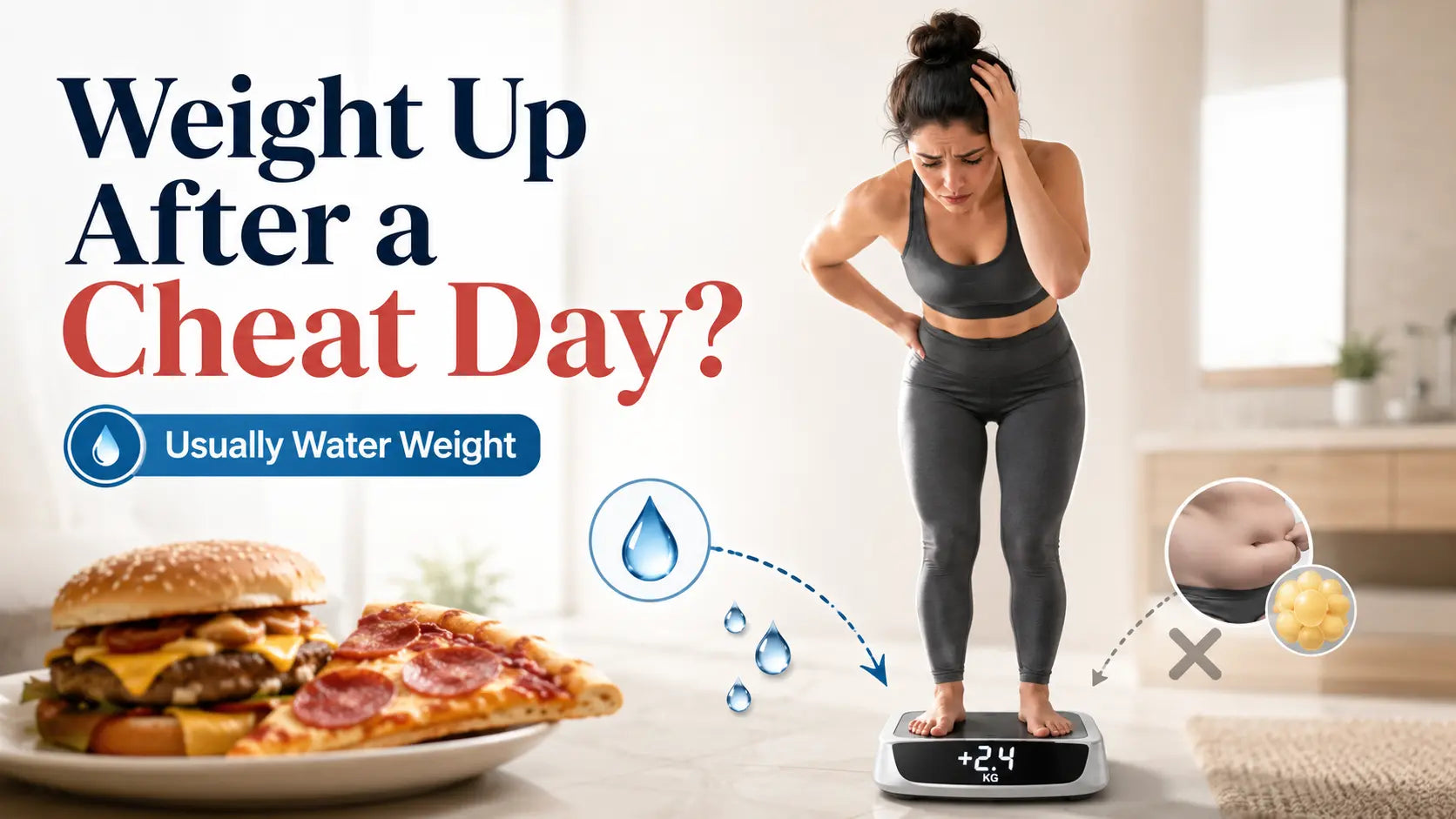
Yes, constipation can make you weigh more temporarily. This does not mean you have gained fat.
When stool moves slowly through the colon, more stool can remain in the bowel. Mayo Clinic explains that constipation can happen when stool moves too slowly through the digestive tract, causing it to become hard and dry.
When you are constipated, you may feel:
- Heavier
- Bloated
- Full in the abdomen
- Uncomfortable in clothes
- Stuck on the scale
- Puffy around the belly
This is usually temporary. Once bowel movements become regular again, the scale may drop suddenly or gradually.
However, this drop is not pure fat loss. It is mostly stool weight, water shifts, and reduced bloating.
Can Constipation Stop Fat Loss Completely?
In most cases, no.
Constipation does not directly stop fat loss. If your body is in a consistent calorie deficit, fat loss can continue even if you are constipated.
However, constipation can indirectly disturb weight loss in some people.
For example, constipation may cause:
- Abdominal discomfort
- Low motivation
- Poor appetite control
- Reduced physical activity
- Poor sleep
- Cravings for quick-energy foods
- Difficulty following the diet plan
If these changes make you eat more or move less, then weight loss may slow down.
So the most accurate answer is:
Constipation does not usually stop fat loss, but it can hide weight loss and indirectly disturb your weight-loss routine.
What People Usually Mean When They Ask This Question
When someone searches “Can constipation stop weight loss?”, they usually mean one of these things:
- Their scale stopped moving after starting a diet.
- They feel bloated, full, and heavier.
- They started eating less and became constipated.
- They are losing weight unexpectedly and are worried constipation may signal something serious.
- They want to know whether pooping causes fat loss.
- They want to know whether laxatives help with weight loss.
These are different concerns.
The article’s main distinction is:
- Fat loss means stored body fat is decreasing.
- Scale weight means the total weight shown on the scale.
- Stool weight means waste still inside the bowel.
- Bloating means abdominal fullness, gas, or pressure.
- A true plateau means your average weight trend has stopped changing for several weeks.
Constipation can affect scale weight, bloating, and comfort. It does not usually stop fat loss directly.
How Constipation Can Make the Scale Look Stuck
1. Retained Stool
If stool stays longer in the colon, it adds temporary weight. The scale cannot tell whether weight comes from fat, water, food, or stool.
This is why someone may say:
“I ate in a calorie deficit all week, but my weight did not move.”
That may be true. Fat loss may still be happening, but stool retention may be hiding it.
2. Gas and Bloating
Constipation can make the abdomen feel swollen, tight, or full. This can create the feeling of weight gain even when the change is mostly digestive.
Bloating is not the same as fat gain.
You can feel larger around the waist because of stool, gas, or abdominal pressure without gaining body fat.
3. Fluid Shifts
Constipation often overlaps with water changes. Dieting can change carbohydrate intake, sodium intake, fiber intake, menstrual-cycle water retention, hydration, and exercise-related inflammation.
This matters because short-term scale weight is noisy.
You can lose fat and still weigh the same the next day because your body is holding more water or stool.
4. Reduced Activity
Constipation may make you feel uncomfortable, tired, or heavy. If that makes you move less, burn fewer calories, or skip exercise, weight loss may slow indirectly.
Why Constipation Happens During Weight Loss
Constipation is common during dieting because many people suddenly change their eating pattern.
They may eat fewer calories, reduce carbohydrates, increase protein, drink less water, reduce fiber-rich foods, or follow a very dry diet.
1. You Are Eating Less Food
When you eat less food, your body produces less stool. This is normal to some extent.
If your diet becomes too low in volume, bowel movements may become less frequent.
For example, someone who shifts from three balanced meals to very small meals may notice fewer bowel movements. This does not always mean something is wrong.
But if stool becomes hard, painful, or difficult to pass, constipation needs attention.
2. Your Fiber Intake Is Too Low
Fiber adds bulk to stool and supports bowel regularity.
NIDDK states that adults generally need about 22 to 34 grams of fiber per day, depending on age and sex. It also advises adding fiber gradually and drinking enough fluids to help fiber work better.
During weight loss, people often reduce:
- Roti
- Rice
- Bread
- Oats
- Fruits
- Beans
- Lentils
- Whole grains
If these foods are not replaced with other fiber-rich foods, constipation can become worse.
3. You Are Eating High Protein but Low Fiber
High-protein diets are common for weight loss because protein supports fullness and muscle maintenance.
The problem starts when protein increases but vegetables, fruits, legumes, and whole grains decrease.
A diet based mostly on chicken, eggs, meat, protein shakes, and low-fiber foods may reduce stool bulk. This can make bowel movements harder and less frequent.
A better approach is to keep protein high but combine it with fiber-rich foods.
Good examples include:
- Eggs with vegetables
- Chicken with salad and lentils
- Fish with vegetables and brown rice
- Greek yogurt with berries and chia seeds
- Beans with lean protein
- Whole-wheat roti with vegetables and yogurt
4. You Are Not Drinking Enough Fluids
Fiber needs fluid to work properly.
NIDDK recommends drinking water and other liquids when eating more fiber or taking a fiber supplement.
If you increase fiber but do not drink enough fluids, constipation may get worse.
This is especially important if you use:
- Psyllium husk
- Chia seeds
- Flaxseeds
- Oats
- Bran
- Fiber supplements
These can help, but they need enough fluid.
5. You Reduced Carbohydrates Too Much
Low-carb diets can help some people reduce calories, but they may also reduce fiber if not planned properly.
Many carbohydrate foods are also fiber sources, such as:
- Oats
- Lentils
- Beans
- Fruits
- Whole grains
- Brown rice
- Whole-wheat roti
- Vegetables
If you remove these foods and replace them mostly with meat, eggs, cheese, and oils, constipation may become more likely.
A low-carb diet can still include fiber. The key is to use low-carb, high-fiber foods such as vegetables, seeds, nuts, and selected fruits in appropriate portions.
6. You Are Eating Too Little Fat
Dietary fat does not need to be excessive, but extremely low-fat diets may make meals less satisfying and harder to follow.
Some people also notice digestive discomfort when they cut fats too aggressively.
Healthy fats can be included in controlled portions, such as:
- Olive oil
- Nuts
- Seeds
- Avocado
- Fatty fish
- Egg yolk
The goal is not to eat a high-fat diet. The goal is to avoid an unnecessarily restrictive diet that is difficult to maintain.
7. You Are Moving Less
Physical activity supports both weight management and bowel function.
Mayo Clinic lists lack of exercise as one lifestyle cause of constipation and recommends staying active to help prevent constipation.
Walking is one of the simplest options. Even a short walk after meals may help digestion and improve consistency in a weight-loss routine.
8. You Ignore the Urge to Pass Stool
Ignoring the urge to pass stool can worsen constipation.
NIDDK lists ignoring the urge to have a bowel movement as a possible contributor to constipation.
Many people delay bowel movements because of work, travel, embarrassment, or a busy schedule. Over time, this may disturb bowel regularity.
9. Medicines or Supplements May Be Contributing
Some medicines and supplements can contribute to constipation.
These may include:
- Iron supplements
- Calcium supplements
- Some antacids
- Opioid pain medicines
- Some antidepressants
- Some blood pressure medicines
- Some weight-loss medicines
If constipation started after a new medicine or supplement, do not stop prescribed medicine on your own. Speak with a doctor or pharmacist.
10. Weight-Loss Medicines May Cause Constipation
Some weight-loss medications can cause gastrointestinal side effects.
For example, DailyMed prescribing information for Zepbound lists constipation among common adverse reactions and states that Zepbound delays gastric emptying.
If constipation starts after a weight-loss injection or prescription medicine, speak with the prescribing clinician, especially if symptoms are severe, painful, persistent, or associated with vomiting or inability to pass gas.
Constipation vs Real Weight-Loss Plateau
A common mistake is confusing constipation with a real weight-loss plateau.
A few days of no scale movement is not enough to prove a plateau.
What a Constipation-Related False Plateau Looks Like
Constipation-related scale changes may look like this:
- Weight is stuck for 1 to 5 days
- Belly feels bloated or heavy
- Bowel movements are less frequent
- Stool is hard, dry, or painful
- Waist feels temporarily bigger
- You feel full even after small meals
- Scale drops after bowel movement improves
In this case, the issue may not be fat loss. It may be digestive weight hiding the change.
What a Real Weight-Loss Plateau Looks Like
A true weight-loss plateau usually means your average weight has not changed for several weeks despite consistent diet, activity, and tracking.
Possible reasons include:
- You are no longer in a calorie deficit
- Portion sizes have increased
- Hidden calories are higher than expected
- Physical activity has decreased
- Sleep is poor
- Stress is high
- Metabolic adaptation has occurred
- Medicines or medical conditions are affecting weight
Constipation vs Plateau: Simple Comparison
| Sign | More Likely Constipation-Related | More Likely Real Plateau |
|---|---|---|
| Scale stuck for 1 to 5 days | Yes | Too soon to know |
| Bloating or abdominal fullness | Common | Not required |
| Fewer bowel movements | Common | Not required |
| Hard stools or straining | Common | Not required |
| Waist still decreasing | Fat loss may still be happening | Plateau less likely |
| No trend change for 2 to 4 weeks | Possible, but less likely | More likely |
| Calories have increased | May coexist | Common cause |
| Activity has dropped | May coexist | Common cause |
The practical approach is to use a 7-day weight average, not one daily weigh-in.
If your average weight is still trending down over several weeks, you are probably not truly stalled.
How to Know If You Are Still Losing Fat While Constipated
Do not depend only on one daily scale reading.
Use multiple progress markers.
1. Seven-Day Average Weight
Weigh yourself daily if you are comfortable, but judge progress by the weekly average.
This reduces confusion from water, salt, stool, hormonal changes, and food volume.
2. Waist Measurement
Measure your waist once weekly at the same time of day.
If your waist is reducing, fat loss may be happening even if the scale is temporarily stuck.
3. Progress Photos
Take photos every 2 to 4 weeks in the same lighting, clothing, and position.
4. Bowel Movement Pattern
Track:
- How often you pass stool
- Stool consistency
- Bloating
- Pain
- Straining
- Feeling of incomplete emptying
5. Food and Activity Consistency
If calories, protein, fiber, water, and activity are consistent, a few days of scale fluctuation should not be treated as failure.
How Long Can Constipation Hide Weight Loss?
Constipation can hide weight loss for a few days, and sometimes longer if bowel movements remain infrequent.
There is no fixed number because it depends on:
- Stool volume
- Food intake
- Fluid intake
- Fiber intake
- Salt intake
- Menstrual cycle
- Medications
- Bloating
- How long constipation lasts
Avoid claims like:
- “Constipation always adds 5 pounds.”
- “You will lose 3 pounds after pooping.”
- “A bowel movement means fat loss.”
These numbers are not reliable for everyone.
A better way to think about it:
If your weight is stuck for a few days and you are constipated, the stall may be digestive.
If your weight is stuck for several weeks and bowel habits are normal, the stall is more likely a true plateau.
If your weight is dropping without trying and you are constipated, that is a different issue and should be medically evaluated.
Does Pooping Help You Lose Weight?
Pooping can reduce scale weight temporarily, but it does not mean you lost body fat.
A bowel movement removes stool and some water. It does not remove stored body fat.
That is why using the bathroom may make the scale lower, but it is not the same as true fat loss.
True fat loss happens over time through:
- A consistent calorie deficit
- Balanced nutrition
- Regular activity
- Better sleep
- Sustainable habits
Do Laxatives Help With Weight Loss?
No, laxatives do not cause real fat loss.
Laxatives may make the scale lower temporarily by increasing stool or water loss, but they do not meaningfully reduce body fat.
Using laxatives for weight loss can be dangerous and may lead to:
- Dehydration
- Electrolyte imbalance
- Diarrhea
- Dependency patterns
- Worsening constipation
- Unsafe weight-control behavior
Laxatives may be appropriate for constipation relief in some people, but they should not be used as a fat-loss method.
If constipation is frequent, painful, chronic, or medication-related, speak with a healthcare professional.
How to Relieve Constipation During Weight Loss Safely
The goal is not to force the scale down. The goal is to restore regular bowel function while continuing a sustainable weight-loss plan.
1. Increase Fiber Gradually
Do not suddenly jump from a low-fiber diet to a very high-fiber diet. This can cause gas, bloating, and discomfort.
Increase fiber slowly using:
- Vegetables
- Fruits
- Lentils
- Beans
- Oats
- Whole grains
- Chia seeds
- Flaxseeds
- Psyllium husk if needed
NIDDK advises adding fiber gradually so the body can adjust.
2. Drink Enough Water
If you add fiber, you must also add fluids.
Water helps stool become softer and easier to pass. This is especially important in hot climates, during exercise, or when using fiber supplements.
A simple sign to monitor is urine color. Pale yellow urine often suggests better hydration, while dark urine may suggest you need more fluids.
People with kidney disease, heart disease, or medical fluid restrictions should follow professional advice.
3. Walk Daily
Walking supports digestion and helps with calorie expenditure.
A simple starting point can be:
- 10 to 15 minutes after meals
- 30 minutes most days
- More steps gradually based on fitness level
The CDC notes that healthy weight loss includes healthy eating patterns, regular physical activity, enough sleep, and stress management. It also states that gradual weight loss of about 1 to 2 pounds per week is more likely to be maintained than faster weight loss.
4. Build a Morning Bowel Routine
Try to sit on the toilet at the same time daily, especially after breakfast.
NIDDK notes that trying to have a bowel movement 15 to 45 minutes after breakfast may help because eating helps the colon move stool.
Do not strain. Sit comfortably, breathe normally, and give yourself time.
5. Do Not Ignore the Urge
When you feel the urge to pass stool, respond as soon as possible.
Repeatedly delaying bowel movements can make constipation worse.
6. Do Not Make Your Diet Too Dry
Many weight-loss diets become too dry because they rely on grilled chicken, boiled eggs, protein shakes, and dry snacks.
Add moisture through:
- Soups
- Yogurt
- Vegetables
- Fruit
- Lentil curry
- Clear fluids
- Smoothies with fiber
- Salads with water-rich vegetables
7. Use Fiber Supplements Carefully
Psyllium husk may help some people, but it should be used with enough water.
Start with a small amount and increase gradually if tolerated.
Do not take fiber supplements close to certain medicines unless your doctor or pharmacist says it is safe, because fiber may affect absorption of some medications.
8. Review Medicines and Supplements
If constipation started after a new medicine, supplement, or weight-loss injection, ask a healthcare professional or pharmacist whether constipation is a known side effect.
This is especially important if constipation is severe, persistent, painful, or new.
9. Consider Medical Treatment If Needed
If lifestyle changes do not help, speak with a healthcare professional.
The 2023 joint guideline from the American Gastroenterological Association and American College of Gastroenterology reviewed treatments for chronic idiopathic constipation, including fiber supplementation, polyethylene glycol, magnesium oxide, lactulose, stimulant laxatives for short-term or rescue use, and prescription options for selected patients.
This does not mean everyone needs medication. It means persistent constipation should be managed properly, not ignored.
Best Foods for Constipation During Weight Loss
The best constipation-friendly weight-loss foods provide fiber, water, volume, and nutrients without excessive calories.
High-Fiber Vegetables
Use vegetables daily, such as:
- Spinach
- Carrots
- Cucumber
- Lettuce
- Broccoli
- Cabbage
- Peas
- Bell peppers
- Bottle gourd
- Okra
Fruits
Good options include:
- Apples with skin
- Pears
- Oranges
- Berries
- Kiwi
- Guava
- Papaya
- Prunes in controlled portions
Legumes
Legumes are excellent because they provide both fiber and plant protein.
Examples include:
- Lentils
- Chickpeas
- Black beans
- Kidney beans
- Mung beans
- Soybeans
Whole Grains
Use according to your calorie needs:
- Oats
- Brown rice
- Whole-wheat roti
- Barley
- Bran cereal
- Whole-grain bread
Seeds
Seeds can be useful, but they should be taken with enough water.
Examples include:
- Chia seeds
- Flaxseeds
- Psyllium husk
- Pumpkin seeds
Yogurt and Fermented Foods
Some people feel better with yogurt or fermented foods, especially if their diet lacks gut-friendly foods.
Choose unsweetened options when possible.
Foods That May Worsen Constipation During Weight Loss
Some foods are not “bad,” but they may worsen constipation if they replace fiber-rich foods.
Limit or balance:
- Fast food
- Fried foods
- Processed snacks
- Refined bakery items
- Excessive cheese
- Large amounts of meat without vegetables
- Very low-fiber diet foods
- Too many protein bars with low fiber
- Crash diet meals with very little food volume
Mayo Clinic recommends eating high-fiber foods such as vegetables, fruits, beans, and whole grains, and eating fewer low-fiber foods such as processed foods, dairy, and meats when preventing constipation.
Simple Weight-Loss Plate for Constipation
Use this plate method for easier fat loss and better bowel regularity.
Half Plate: Non-Starchy Vegetables
Examples:
- Salad
- Spinach
- Cucumber
- Carrots
- Cabbage
- Broccoli
- Okra
- Bottle gourd
Quarter Plate: Lean Protein
Examples:
- Chicken
- Fish
- Eggs
- Yogurt
- Lentils
- Beans
- Tofu
- Lean meat
Quarter Plate: High-Fiber Carbohydrate
Examples:
- Whole-wheat roti
- Oats
- Brown rice
- Beans
- Lentils
- Barley
- Fruit
Small Portion: Healthy Fat
Examples:
- Olive oil
- Nuts
- Seeds
- Avocado
- Egg yolk
Drink
Choose water or unsweetened fluids.
This method keeps the diet filling, balanced, and easier to continue.
Can Constipation Mean You Are Eating Too Little?
Yes, sometimes constipation during weight loss is a sign that your diet is too restrictive.
This may happen when you eat:
- Very small portions
- Very low calories
- Too little fiber
- Too little fat
- Too little food variety
- Too little fluid
- Too much protein without plant foods
Signs your diet may be too aggressive include:
- Dizziness
- Fatigue
- Extreme hunger
- Poor sleep
- Constipation
- Irritability
- Binge eating episodes
- Hair fall
- Missed periods in women
- Weakness during workouts
A successful fat-loss plan should not make you feel weak, deprived, and constipated all the time.
Constipation, Bloating, and Belly Fat
Constipation can make your belly look bigger, but this is not the same as belly fat.
Constipation Bloating
Constipation bloating is usually caused by stool buildup, gas, and digestive pressure. It may change within hours or days.
Belly Fat
Belly fat changes slowly over weeks and months. It does not appear suddenly overnight and does not disappear immediately after a bowel movement.
If your stomach looks flatter after passing stool, that change was likely from reduced bloating, not sudden fat loss.
Can Constipation Slow Metabolism?
Constipation itself does not usually slow metabolism enough to stop fat loss.
However, the habits that cause constipation may also make weight loss harder.
For example:
- Very low-calorie dieting can reduce energy levels
- Low activity reduces calorie expenditure
- Poor sleep can affect hunger and cravings
- Low fiber can reduce fullness
- Restrictive dieting can lead to overeating later
So constipation may be a warning sign that your weight-loss plan is not balanced enough.
Can You Be Constipated but Still Losing Inches?
Yes. You may lose inches even if scale weight is stuck during constipation.
This can happen when fat loss is occurring but stool and water retention are hiding the scale change.
If your waist measurement is trending down over time, your clothes fit better, and progress photos show change, you may still be losing fat.
Do not judge your full progress from one constipated weigh-in.
Practical 3-Day Constipation Reset During Weight Loss
This is not a medical cure. It is a safe, basic routine for mild constipation during weight loss.
Day 1: Hydration and Gentle Movement
- Drink water regularly throughout the day
- Add vegetables to at least two meals
- Walk for 20 to 30 minutes
- Avoid very dry meals
- Do not ignore the urge to pass stool
Day 2: Add Fiber Slowly
- Add oats, lentils, fruit, or whole grains
- Include yogurt if tolerated
- Use chia or flaxseeds with enough water
- Take a walk after meals
- Avoid fast food and low-fiber snacks
Day 3: Build a Bowel Routine
- Eat breakfast at a regular time
- Sit calmly after breakfast
- Continue fluids and fiber
- Track stool pattern and bloating
- Review whether your diet is too restrictive
If constipation continues, becomes painful, or comes with warning symptoms, seek medical advice.
When Constipation and Weight Loss May Be a Red Flag
Most mild constipation improves with diet, fluids, movement, and routine.
But constipation with certain symptoms needs medical attention.
See a doctor if constipation comes with:
- Blood in stool
- Black stool
- Rectal bleeding
- Unexplained weight loss
- Persistent abdominal pain
- Vomiting
- Fever
- Severe bloating
- Inability to pass gas
- Constipation lasting more than three weeks
- A major change in bowel habits
- Symptoms that affect daily life
- New constipation after age 50
- Family history of colon cancer or inflammatory bowel disease
Mayo Clinic recommends making an appointment for constipation with symptoms such as rectal bleeding, blood in stool, black stools, ongoing stomach pain, and weight loss without trying. NIDDK also advises seeing a doctor for constipation with rectal bleeding, blood in stool, continual abdominal pain, or another sign of a medical problem.
This section is important because “constipation and weight loss” can mean two very different things.
Constipation hiding intentional weight loss is usually not the same as constipation plus unexplained weight loss.
Myths About Constipation and Weight Loss
| Myth | Reality |
|---|---|
| Constipation stops fat loss. | Usually false. It may hide fat loss on the scale. |
| If the scale is stuck, the diet is not working. | Not always. Stool, water, and bloating can mask progress. |
| Pooping equals fat loss. | False. A bowel movement removes stool, not body fat. |
| Laxatives help with weight loss. | False and potentially harmful. They do not remove body fat. |
| Bloating means fat gain. | False. Bloating can come from gas, stool, or fluid shifts. |
| All constipation is harmless. | False. Constipation with red flags needs medical attention. |
Final Answer: Can Constipation Stop Weight Loss?
Constipation usually does not stop fat loss.
If you are in a true calorie deficit, your body can still lose fat. However, constipation can make the scale look stuck because stool, gas, bloating, and water retention can temporarily increase body weight.
The best approach is to avoid panic and track your progress properly.
Focus on:
- Weekly weight averages
- Waist measurements
- Progress photos
- Fiber intake
- Fluid intake
- Daily movement
- A regular bowel routine
- Sustainable calorie control
If constipation is severe, long-lasting, painful, or comes with blood, unexplained weight loss, vomiting, fever, inability to pass gas, or persistent abdominal pain, seek medical advice.
FAQs
Can constipation stop weight loss?
Constipation usually does not stop fat loss, but it can hide weight loss on the scale. Stool, gas, bloating, and water retention may make your weight look higher temporarily.
Can constipation make you gain weight?
Constipation can temporarily increase scale weight, but this is usually not fat gain. It is more likely related to retained stool, gas, and fluid shifts.
Can you still lose fat while constipated?
Yes. If you are in a true calorie deficit, fat loss can continue even if bowel movements are slow.
Does pooping make you lose fat?
No. Pooping removes stool and some water, not stored body fat. It may lower scale weight temporarily, but it is not the same as fat loss.
How much weight can constipation add?
There is no reliable fixed number. It depends on stool volume, food intake, fiber intake, hydration, sodium intake, menstrual cycle, medications, and how long constipation lasts.
Why am I constipated after starting a diet?
Common reasons include eating less food, low fiber intake, low fluid intake, high-protein low-fiber meals, very low-carb dieting, low activity, fasting, and ignoring the urge to pass stool.
Can a high-protein diet cause constipation?
A high-protein diet may contribute to constipation if it is low in fiber, fluids, fruits, vegetables, legumes, and whole grains.
Can low-carb diets cause constipation?
Low-carb diets may cause constipation if they remove fiber-rich foods without replacing them with low-carb fiber sources such as vegetables, seeds, nuts, and selected fruits.
Are laxatives good for weight loss?
No. Laxatives do not cause real fat loss. They may temporarily reduce stool or water weight, but misuse can be risky.
What should I eat for constipation during weight loss?
Eat fiber-rich, weight-loss-friendly foods such as vegetables, fruits, lentils, beans, oats, whole grains, chia seeds, flaxseeds, yogurt, and enough fluids.
Can constipation cause a weight-loss plateau?
Constipation can cause a temporary scale plateau, but it does not usually cause a true fat-loss plateau. If your scale weight is stuck for only a few days and you are constipated, stool and water weight may be masking fat loss.
Will I lose weight after I poop?
You may weigh less after a bowel movement, but that lower number mostly reflects stool leaving the body. Fat loss happens through sustained energy balance over time, not from a single bowel movement.
Does bloating mean I gained fat?
No. Bloating does not necessarily mean fat gain. Bloating can come from gas, constipation, fluid shifts, eating pattern changes, or digestive sensitivity.
Can weight-loss medications cause constipation?
Yes, some weight-loss medications can cause constipation. For example, DailyMed prescribing information for Zepbound lists constipation as a common adverse reaction.
When should I see a doctor for constipation?
See a doctor if constipation lasts more than three weeks, causes severe pain, affects daily life, or comes with blood in stool, black stool, vomiting, fever, persistent abdominal pain, inability to pass gas, or unexplained weight loss.
We rely on peer-reviewed studies and reputable medical journals.
- National Institute of Diabetes and Digestive and Kidney Diseases (NIDDK). "Symptoms & Causes of Constipation." U.S. Department of Health and Human Services, 2018.
- National Institute of Diabetes and Digestive and Kidney Diseases (NIDDK). "Eating, Diet, & Nutrition for Constipation." U.S. Department of Health and Human Services, 2018.
- Centers for Disease Control and Prevention (CDC). "Steps for Losing Weight." U.S. Department of Health and Human Services, 2025.
- Centers for Disease Control and Prevention (CDC). "Tips for Keeping Weight Off." U.S. Department of Health and Human Services, 2023.
- Mayo Clinic. "Constipation - Symptoms and Causes." Mayo Clinic, 2025.
- Mayo Clinic. "Constipation - Diagnosis and Treatment." Mayo Clinic, 2025.
- Mayo Clinic. "Dietary Fiber: Essential for a Healthy Diet." Mayo Clinic, 2025.
- Chang, Lin, et al. "American Gastroenterological Association-American College of Gastroenterology Clinical Practice Guideline: Pharmacological Management of Chronic Idiopathic Constipation." Gastroenterology, 2023.
- U.S. National Library of Medicine. "Tirzepatide Injection, Solution ZEPBOUND KWIKPEN - DailyMed Prescribing Information." DailyMed, 2024.
- National Eating Disorders Association (NEDA). "Eating Disorder Health Consequences (Laxative Abuse and Gastrointestinal Impacts)." NEDA, 2024.