

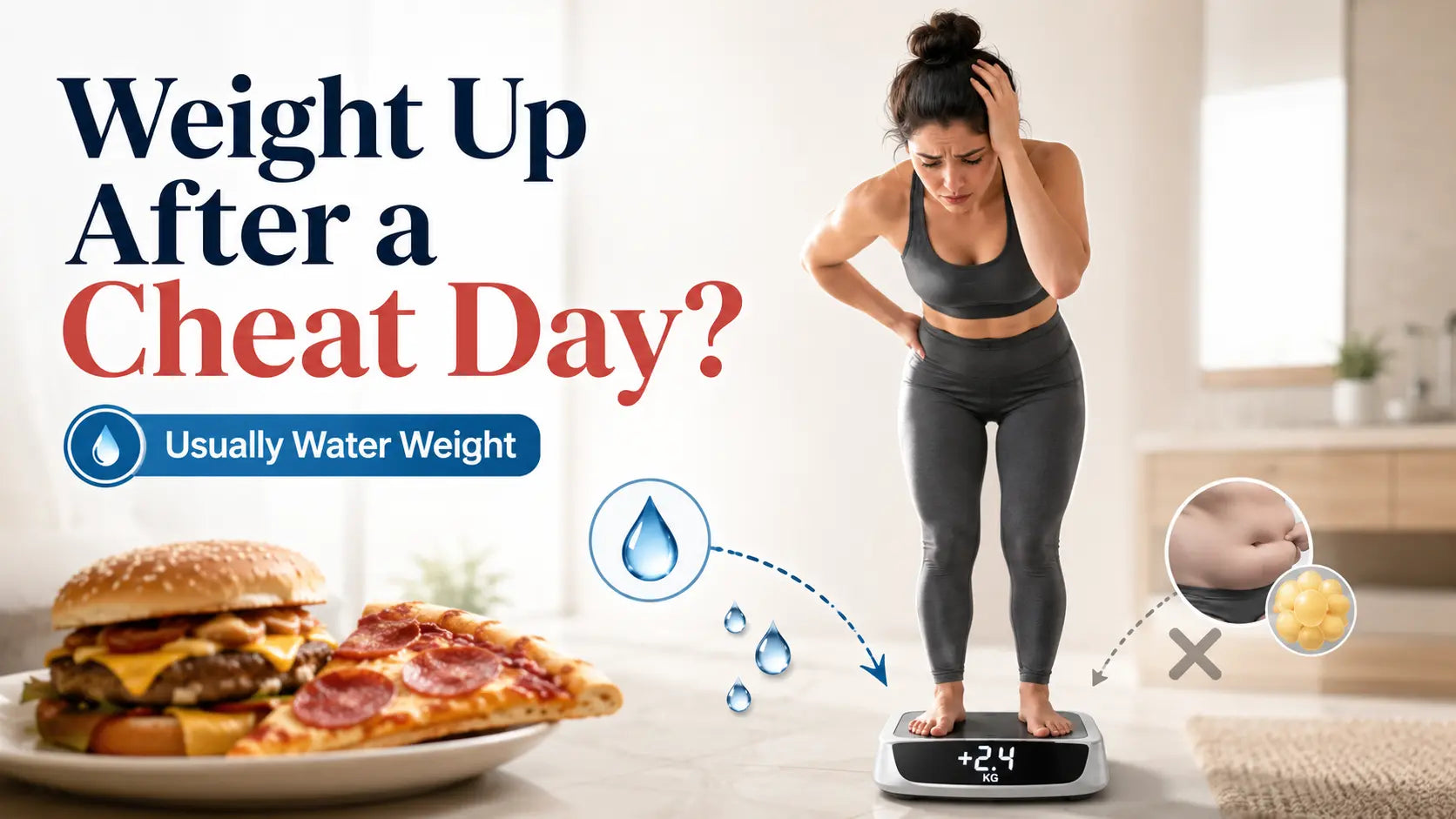

How to Lose Face Fat: Diet, Puffiness & Jawline Tips
You cannot target only face fat, but you can make your face look slimmer by reducing overall body fat, lowering puffiness, improving sleep, and following a sustainable diet and exercise plan.
Direct Answer: How Do You Lose Face Fat?
You cannot lose fat only from your face. Face fat usually reduces when your overall body fat decreases through a sustainable calorie deficit, regular physical activity, strength training, enough sleep, hydration, and a balanced diet rich in protein, fiber, fruits, vegetables, and minimally processed foods.
However, not every “fat face” is actually fat. A fuller-looking face may also be caused by temporary puffiness, water retention, high salt intake, poor sleep, alcohol, allergies, sinus issues, hormonal changes, medication side effects, constipation, or medical swelling.
The best way to lose face fat is to first identify the cause:
| What You Notice | Most Likely Cause | Best Action |
|---|---|---|
| Face became fuller slowly with weight gain | Actual fat gain | Focus on overall fat loss |
| Face looks puffy in the morning | Fluid retention, salt, sleep, allergies | Improve sleep, hydration, and sodium balance |
| Double chin is more visible | Fat, posture, genetics, chin shape, or skin laxity | Fat loss, posture, strength training, professional advice if needed |
| Cheeks are naturally round | Genetics, buccal fat pads, face structure | Fat loss may help, but genetics matter |
| Face suddenly becomes swollen | Allergy, infection, medication reaction, or medical issue | Seek medical advice |
| One side of face is swollen or painful | Dental, sinus, salivary gland, or infection issue | Contact a healthcare professional |
If your face suddenly becomes swollen, painful, red, one-sided, or comes with difficulty breathing, swallowing, fever, hives, or swelling of the lips, tongue, or throat, do not treat it as face fat. Seek medical help.
Key Takeaways
| Question | Direct Answer |
| Can you lose face fat only? | No. Spot reduction is not reliable. |
| What actually reduces face fat? | Overall fat loss through diet, exercise, sleep, and consistency. |
| Can face look slimmer quickly? | Yes, if the fullness is puffiness or water retention. |
| Do face exercises burn face fat? | No. They may improve muscle tone but do not directly burn facial fat. |
| Does chewing gum reduce face fat? | No. It does not burn enough calories and may overwork jaw muscles. |
| Does salt make your face look fat? | Salt does not create fat, but it can cause puffiness. |
| When should you worry? | Sudden, painful, one-sided, severe, or breathing-related swelling needs medical attention. |
What Is Face Fat?
Face fat usually refers to fullness in the cheeks, jawline, lower face, or under the chin. This fullness can come from different sources.
Subcutaneous Facial Fat
Subcutaneous fat is the fat stored under the skin. This type of fat can increase when overall body fat increases. If your body weight, waist size, and body fat percentage have increased, your face may also look fuller.
Buccal Fat Pads
Buccal fat pads are natural fat pads found in the lower cheeks. Some people naturally have larger buccal fat pads, even if they are not overweight. This is why a person can be lean but still have round cheeks.
Water Retention and Puffiness
Sometimes the face looks fat because of water retention, not actual fat. Puffiness can change from day to day, especially after salty meals, poor sleep, alcohol, allergies, or hormonal changes.
Facial Structure
Your face shape is also influenced by genetics, cheekbones, jaw width, chin projection, neck angle, skin elasticity, and age. Lifestyle changes can improve facial definition, but they cannot completely change bone structure.
Face Fat vs Puffy Face vs Facial Swelling
Before trying to lose face fat, you need to understand whether your face is actually carrying fat or just holding water.
| Feature | Actual Face Fat | Facial Puffiness | Medical Swelling |
| How it appears | Gradual fullness over weeks or months | Often worse in the morning or after salty food | Sudden, painful, one-sided, or severe |
| Main causes | Weight gain, high body fat percentage, genetics | Salt, poor sleep, alcohol, allergies, fluid retention | Allergy, infection, dental issue, medication, injury |
| Timeline | Takes weeks or months to reduce | Can improve in hours to days | Needs medical evaluation if severe |
| What helps | Calorie deficit, exercise, strength training | Hydration, sleep, lower sodium, allergy control | Professional treatment |
| Warning signs | Usually no pain | Usually temporary | Pain, redness, fever, breathing trouble, lip or tongue swelling |
Fat does not appear overnight. If your face became bigger suddenly, swelling or fluid retention is more likely than actual fat gain.
Can You Lose Fat Only From Your Face?
No. You cannot reliably choose your face as the specific area where fat will reduce first.
This is called spot reduction. It is the idea that exercising one area of the body will burn fat from that exact area. For example, doing cheek exercises will not directly burn cheek fat, and doing jawline exercises will not directly remove a double chin.
Fat loss happens across the body when you consistently use more energy than you consume. Your genetics, hormones, age, sex, body fat percentage, and fat distribution decide where fat comes off first.
Some people notice their face slimming early during weight loss. Others lose fat from the waist, arms, legs, or hips before their face changes much. Both patterns are normal.
Why Do Some People Have More Face Fat?
1. Genetics
Genetics strongly influence where your body stores fat and how your face looks at a healthy weight. If fuller cheeks or a round face run in your family, your face may stay naturally fuller even when you are fit.
2. Higher Body Fat Percentage
A higher body fat percentage can make the face, cheeks, jawline, and chin look fuller. When body fat decreases, the face often becomes more defined.
3. Buccal Fat Pads
Some people naturally have larger cheek fat pads. These may not fully disappear with weight loss, especially if your overall body fat is already low.
4. Age
Younger people often have fuller cheeks because of natural facial fat. With age, the face may lose volume and skin elasticity. This is why aggressive weight loss is not always ideal. Losing too much facial volume can make some people look older.
5. Hormones
Hormonal changes can affect fluid balance, cravings, appetite, and body fat distribution. Women may notice facial puffiness around menstruation, pregnancy, postpartum changes, or hormonal conditions such as PCOS.
6. Poor Sleep and Stress
Poor sleep and chronic stress can increase cravings, disturb appetite, reduce motivation for exercise, and make the face look puffy. Stress does not create face fat overnight, but it can indirectly affect weight and water retention.
7. Medication Side Effects
Some medications can cause fluid retention, swelling, or a rounder-looking face. These may include corticosteroids, some hormonal medicines, certain anti-inflammatory medicines, and some medicines for blood pressure, diabetes, or other conditions.
Never stop a prescribed medicine without speaking to your doctor.
Main Causes of a Fat or Puffy Face
1. Overall Weight Gain
The most common cause of true face fat is overall fat gain. If you consume more calories than your body uses for a long time, the body stores the extra energy as fat. Some of that fat may appear in the cheeks, under the chin, and around the jawline.
2. High Salt Intake
Too much sodium can make the body hold extra water. This may cause puffiness in the face, especially around the eyes and cheeks.
Common high-salt foods include:
- Chips
- Nimko
- Papad
- Pickles
- Fast food
- Instant noodles
- Processed meats
- Frozen meals
- Packaged snacks
- Sauces and ketchup
- Restaurant foods
- Salty late-night snacks
Salt does not create fat, but it can make your face look heavier because of water retention.
3. Poor Sleep
Poor sleep can make the face look tired, swollen, and puffy. It may also increase hunger, cravings, late-night snacking, and poor food choices.
4. Alcohol Intake
Alcohol can disturb sleep, increase dehydration, affect fluid balance, and add extra calories. Many people notice a puffy face the morning after alcohol intake.
5. Sugary Drinks and Refined Carbohydrates
Sugary drinks and refined carbohydrates can increase calorie intake quickly. They may also contribute to bloating and water retention in some people.
Examples include:
- Soft drinks
- Packaged juices
- Milkshakes
- Sweet tea
- Bakery items
- Biscuits
- Cakes
- White bread
- Fried snacks
- Sugary cereals
6. Low Protein Intake
Protein helps with fullness, muscle maintenance, and appetite control. If your diet is mostly refined carbohydrates and fats, you may feel hungry more often and consume more calories.
7. Low Fiber Intake
Fiber supports fullness, digestion, bowel regularity, and blood sugar control. Low fiber intake can increase hunger, constipation, and bloating.
Good fiber sources include:
- Vegetables
- Fruits
- Lentils
- Beans
- Chickpeas
- Oats
- Whole grains
- Chia seeds
- Flaxseeds
8. Constipation and Bloating
Constipation does not directly cause face fat, but poor digestion can make the body feel heavier and bloated. Some people also notice more puffiness when their digestion, sleep, and hydration are poor.
9. Allergies and Sinus Problems
Allergies, sinus congestion, and inflammation can cause puffiness around the eyes, cheeks, and nose. If your face looks swollen during allergy season or with nasal congestion, the issue may not be fat.
10. Medical Conditions
Facial swelling may be linked with allergies, dental infections, sinus infections, thyroid issues, kidney problems, liver disease, heart problems, medication reactions, or other medical conditions.
If swelling is sudden, severe, painful, one-sided, or persistent, get medical advice.
How to Lose Face Fat Naturally
1. Create a Sustainable Calorie Deficit
A calorie deficit means you consume fewer calories than your body uses. This is the foundation of fat loss.
You do not need a crash diet. Extreme dieting can increase hunger, reduce energy, disturb sleep, cause muscle loss, and make weight regain more likely.
Better ways to create a calorie deficit include:
- Reduce portion sizes
- Eat more vegetables
- Include protein in every meal
- Replace sugary drinks with water
- Reduce fried foods
- Limit processed snacks
- Walk more daily
- Strength train weekly
- Sleep properly
- Avoid late-night overeating
The goal is not to eat as little as possible. The goal is to eat in a way that helps you lose fat while keeping energy, muscle, mood, and health stable.
2. Prioritize Protein
Protein helps preserve muscle during weight loss and keeps you full for longer. This matters because losing weight without enough protein may reduce muscle and make the body look less firm.
Good protein sources include:
- Eggs
- Chicken
- Fish
- Lean meat
- Greek yogurt
- Milk
- Cottage cheese
- Lentils
- Chickpeas
- Beans
- Tofu
- Soy chunks
- Whey protein if needed
For Pakistani meals, try to include protein in every major meal. For example, eggs at breakfast, chicken or daal at lunch, and fish, yogurt, beans, or lean meat at dinner.
3. Eat More Fiber-Rich Foods
Fiber helps you feel full and supports digestion. A high-fiber diet makes it easier to reduce calories without feeling hungry all the time.
Add fiber through:
- Salad
- Cucumber
- Carrots
- Apples
- Guava
- Berries
- Oats
- Lentils
- Beans
- Chickpeas
- Whole wheat roti
- Chia seeds
- Flaxseeds
Increase fiber slowly and drink enough water to avoid bloating.
4. Reduce Salt and Processed Foods
If your face looks puffy, reducing excessive sodium can make a visible difference. This does not mean you need a salt-free diet. It means reducing extra salt from packaged foods, fast foods, sauces, and restaurant meals.
Simple steps:
- Avoid adding extra salt at the table
- Limit pickles and sauces
- Reduce packaged snacks
- Reduce instant noodles
- Avoid salty late-night snacks
- Choose fresh foods more often
- Use lemon, herbs, spices, mint, coriander, and green chilies for flavor
5. Drink Enough Water
Water does not directly burn face fat. However, proper hydration supports digestion, appetite control, exercise performance, and fluid balance.
A simple method is to check urine color. Pale yellow usually suggests good hydration. Dark yellow may mean you need more fluids.
6. Sleep 7 to 9 Hours
Sleep is one of the most ignored factors in facial puffiness and weight management. Poor sleep can increase cravings, reduce motivation for exercise, increase late-night snacking, and make the face look swollen.
Improve sleep by:
- Sleeping and waking at consistent times
- Avoiding heavy meals late at night
- Limiting caffeine in the evening
- Reducing screen time before bed
- Keeping your room dark and cool
- Avoiding salty snacks before sleep
7. Do Strength Training
Strength training helps preserve muscle while you lose fat. This improves body composition, meaning you lose fat while keeping your body firm and healthy.
Aim for strength training 2 to 4 times per week.
Good exercises include:
- Squats
- Lunges
- Push-ups
- Rows
- Deadlifts
- Shoulder press
- Chest press
- Planks
- Resistance band workouts
You do not need a gym in the beginning. Bodyweight exercises and resistance bands can work well.
8. Add Cardio
Cardio helps burn calories, improves heart health, and supports long-term weight management.
Good cardio options include:
- Brisk walking
- Cycling
- Swimming
- Jogging
- Skipping
- Hiking
- Treadmill
- Stair climbing
A practical target is 150 minutes of moderate activity per week, such as 30 minutes of brisk walking five days per week.
9. Increase Daily Steps
Many people exercise for 30 minutes but remain inactive the rest of the day. Daily movement matters.
Try to increase:
- Walking after meals
- Taking stairs
- Standing more often
- Short 10-minute walks
- Walking during phone calls
- Household chores
A realistic target can be 7,000 to 10,000 steps per day, depending on your current fitness level.
10. Reduce Sugary Drinks and Liquid Calories
Liquid calories are one of the easiest ways to gain fat without feeling full.
Reduce:
- Soft drinks
- Energy drinks
- Packaged juices
- Sugary tea
- Milkshakes
- Alcohol
- Fancy coffee drinks
Choose:
- Water
- Lemon water without sugar
- Unsweetened tea
- Black coffee
- Mint water
- Plain milk in controlled portions
Best Diet Strategy to Lose Face Fat
There is no special “face fat diet.” The best diet for reducing face fat is a fat-loss diet that helps reduce overall body fat while also reducing puffiness.
A good diet should be:
- High in protein
- Rich in fiber
- Moderate in calories
- Low in ultra-processed foods
- Lower in excessive sodium
- Rich in fruits and vegetables
- Sustainable for your lifestyle
- Practical for your culture and routine
Best Foods for Fat Loss and a Slimmer-Looking Face
Include these regularly:
- Eggs
- Chicken
- Fish
- Lean meat
- Lentils
- Chickpeas
- Beans
- Yogurt
- Milk
- Cottage cheese
- Oats
- Whole wheat roti
- Brown rice in controlled portions
- Vegetables
- Fruits
- Nuts in small portions
- Seeds
- Olive oil in controlled amounts
Foods That Can Make Your Face Look Puffy
These foods do not directly create face fat, but they may increase water retention, bloating, or calorie intake:
- Chips
- Nimko
- Fried samosas
- Pakoras
- Fast food
- Bakery items
- Sugary drinks
- Instant noodles
- Processed meats
- Pickles
- Excessive sauces
- Late-night salty snacks
- High-sugar desserts
Pakistani Diet Tips to Lose Face Fat
You do not need to stop eating Pakistani food. You need better portions and smarter combinations.
Breakfast Options
Choose one:
- 2 eggs with 1 whole wheat roti and salad
- Oats with milk, chia seeds, and fruit
- Greek yogurt with fruit and nuts
- Besan chilla with mint chutney
- Roti with omelet and vegetables instead of paratha
Lunch Options
Choose one:
- Chicken curry with 1 to 2 rotis and salad
- Daal with roti, yogurt, and vegetables
- Grilled chicken with rice and salad
- Chana salad with yogurt
- Fish with roti and cooked vegetables
Dinner Options
Choose one:
- Chicken soup with vegetables
- Daal and salad with 1 roti
- Grilled fish with vegetables
- Egg curry with salad
- Chicken tikka with yogurt and salad
Snack Options
Choose one:
- Fruit
- Yogurt
- Roasted chana
- Boiled eggs
- Nuts in a small portion
- Cucumber and carrots
- Protein smoothie without added sugar
Sample One-Day Diet Plan for Face Fat Reduction
Early Morning
- 1 glass of water
- Optional: unsweetened green tea or black coffee
Breakfast
- 2 boiled eggs or omelet
- 1 whole wheat roti
- Cucumber and tomato salad
Mid-Morning Snack
- 1 fruit such as apple, guava, orange, or berries
Lunch
- Chicken curry or daal
- 1 to 2 whole wheat rotis
- Large salad
- Plain yogurt
Evening Snack
- Roasted chana or Greek yogurt
- Unsweetened tea
Dinner
- Grilled fish, chicken, daal, or beans
- Cooked vegetables
- 1 roti or a small rice portion
Before Bed
- Water if thirsty
- Avoid salty snacks and sugary tea late at night
Best Exercises to Lose Face Fat
Full-Body Exercise Works Better Than Face Exercises
If your goal is to reduce face fat, your exercise plan should focus on the whole body. The more consistent you are with full-body training, the better your chances of reducing overall body fat.
Beginner Weekly Exercise Plan
| Day | Exercise |
| Monday | 30-minute brisk walk |
| Tuesday | Full-body strength training |
| Wednesday | 30-minute walk or cycling |
| Thursday | Rest or light mobility |
| Friday | Full-body strength training |
| Saturday | Longer walk, cycling, swimming, or sport |
| Sunday | Rest or gentle walk |
Intermediate Weekly Exercise Plan
| Day | Exercise |
| Monday | Lower-body strength training |
| Tuesday | 30 to 45 minutes cardio |
| Wednesday | Upper-body strength training |
| Thursday | Cardio or intervals |
| Friday | Full-body strength training |
| Saturday | Long walk, sport, or hiking |
| Sunday | Rest |
Strength Exercises to Prioritize
Include:
- Squats
- Lunges
- Hip thrusts
- Deadlifts
- Rows
- Push-ups
- Chest press
- Shoulder press
- Lat pull-downs
- Planks
This type of training helps change body composition. As your overall body fat decreases and muscle is preserved, your face may gradually look leaner.
Do Facial Exercises Help Lose Face Fat?
Facial exercises may improve facial muscle awareness, tone, and appearance in some people, but they do not directly burn fat from the cheeks, jawline, or double chin.
They may help with:
- Facial muscle control
- Mild tone improvement
- Relaxation
- Posture awareness
- Jaw and neck muscle awareness
They are not a replacement for calorie control, cardio, strength training, protein, sleep, and consistency.
Does Chewing Gum Reduce Face Fat?
No. Chewing gum does not meaningfully reduce face fat.
It may activate the jaw muscles, but it does not burn enough calories to slim the face. Excessive gum chewing may also overwork the jaw muscles and cause jaw discomfort in some people.
In some cases, frequent heavy chewing can enlarge the masseter muscles, making the lower face look wider rather than slimmer.
Do Jawline Trainers Work?
Jawline trainers do not remove facial fat. They may work the jaw muscles, but they cannot burn fat from the face.
Overusing jawline devices may cause jaw pain, tightness, or discomfort. If your jawline is hidden by body fat or water retention, overall fat loss and reduced puffiness will matter more.
Does Mewing Reduce Face Fat?
Mewing means placing the tongue against the roof of the mouth to improve tongue posture. Proper tongue posture may be relevant for oral posture and breathing patterns, especially in growing children, but there is no strong evidence that mewing can reshape an adult face or remove face fat.
It may temporarily make the jawline look tighter while you hold the posture, but it does not melt cheek fat or double chin fat.
How to Reduce Facial Puffiness Fast
If your face looks puffy rather than fat, you may notice improvement within hours to a few days.
Morning Puffy Face Routine
Try this:
- Drink water after waking.
- Wash your face with cool water.
- Use a cold compress for 5 to 10 minutes.
- Do gentle facial massage.
- Eat a protein-rich breakfast.
- Avoid salty breakfast foods.
- Take a short walk.
Reduce Salt at Night
Many people wake up with a puffy face after eating salty foods at night.
Avoid late-night:
- Chips
- Pickles
- Fast food
- Instant noodles
- Salty sauces
- Fried snacks
- Processed meats
Sleep With Your Head Slightly Elevated
If you wake with under-eye puffiness, sleeping with your head slightly elevated may help reduce fluid pooling.
Use Gentle Facial Massage
Gentle facial massage may temporarily reduce puffiness by supporting fluid movement. Do not apply harsh pressure, especially around the eyes.
Eat Potassium-Rich Foods
Potassium-rich foods support healthy fluid balance. Good options include:
- Banana
- Potato
- Spinach
- Lentils
- Beans
- Yogurt
- Coconut water in controlled amounts
People with kidney disease or those taking certain medicines should not increase potassium without medical advice.
How Long Does It Take to Lose Face Fat?
The timeline depends on your starting weight, body fat percentage, genetics, diet, exercise, sleep, sodium intake, alcohol intake, and consistency.
| Time | Possible Change |
| 1 to 3 days | Less puffiness if salt, sleep, hydration, and alcohol improve |
| 2 to 4 weeks | Mild facial slimming if calorie deficit is consistent |
| 6 to 12 weeks | More visible fat loss in face and body |
| 3 to 6 months | Clearer jawline and long-term body composition change |
Some people notice facial changes after losing 2 to 4 kg. Others may need more weight loss before the face visibly changes.
Do not judge progress only by your face. Track:
- Body weight trend
- Waist measurement
- Progress photos
- Energy level
- Clothes fitting
- Strength improvement
- Sleep quality
Why Your Face Is Still Fat Even After Weight Loss
If your face still looks full after weight loss, possible reasons include:
1. You Have Not Lost Enough Overall Fat Yet
Sometimes the face is one of the last areas to slim down. Continue with a sustainable plan instead of crash dieting.
2. You Are Still Eating Too Much Salt
Even with fat loss, water retention can make the face look puffy.
3. You Are Not Sleeping Enough
Poor sleep may hide progress by increasing puffiness and cravings.
4. Your Face Shape Is Genetic
Some people naturally have fuller cheeks because of bone structure, buccal fat pads, and inherited facial shape.
5. You May Be Losing Muscle Instead of Fat
Crash dieting without enough protein and strength training can cause muscle loss. This may make your body composition worse even if the scale goes down.
6. It May Be Swelling, Not Fat
If the fullness is sudden, painful, one-sided, or unusual, get medical advice.
How to Lose Double Chin Fat
A double chin may be caused by fat, genetics, posture, loose skin, aging, or jaw and chin structure.
What Helps Naturally
- Overall fat loss
- Strength training
- Better posture
- Reducing screen-related neck posture
- Protein-rich diet
- Cardio and walking
- Lower sodium if puffiness is present
Neck Posture Matters
Poor posture can make a double chin appear worse. Looking down at your phone for long periods may affect neck position and jawline appearance.
Improve posture by:
- Keeping screen at eye level
- Strengthening upper back
- Stretching the neck gently
- Avoiding forward head posture
- Sitting upright
When Natural Methods Are Not Enough
If a double chin remains after weight loss, it may be due to genetics, loose skin, or local fat deposits. In that case, a qualified dermatologist, plastic surgeon, or aesthetic medicine clinician can discuss professional options.
How to Reduce Chubby Cheeks
Chubby cheeks may be caused by natural cheek fat pads, genetics, age, total body fat, or water retention.
What Helps
- Lose overall body fat gradually
- Reduce salty foods
- Sleep better
- Drink enough water
- Increase protein
- Eat more fiber
- Reduce sugary drinks
- Exercise consistently
What Does Not Help
- Cheek-only exercises for fat burning
- Chewing gum
- Detox teas
- Face-slimming creams
- Extreme dieting
- Dehydration
- Skipping meals
How to Get a Sharper Jawline Naturally
A sharper jawline comes from a combination of lower body fat, less puffiness, better posture, and natural bone structure.
Natural Jawline Tips
- Reduce overall body fat
- Strength train 2 to 4 times per week
- Walk daily
- Eat enough protein
- Reduce salt and processed foods
- Sleep 7 to 9 hours
- Stay hydrated
- Improve neck posture
- Avoid crash dieting
Your jawline is strongly influenced by genetics. Lifestyle can improve definition, but it cannot completely change bone structure.
What Works vs What Does Not Work
| Method | Does It Work? | Explanation |
| Calorie deficit | Yes | Main driver of fat loss |
| Strength training | Yes | Helps preserve muscle and improve body composition |
| Cardio | Yes | Helps burn calories and support health |
| More protein | Yes | Helps fullness and muscle maintenance |
| More fiber | Yes | Helps fullness and digestion |
| Lower sodium | Yes, for puffiness | May reduce water retention |
| Better sleep | Yes | Supports appetite control and reduces puffiness |
| Hydration | Helpful | Supports fluid balance and appetite control |
| Facial massage | Temporarily | May reduce puffiness, not fat |
| Face exercises | Limited | May improve tone, not fat burning |
| Chewing gum | No meaningful effect | Does not burn enough fat |
| Jawline trainers | Not for fat loss | May overwork jaw muscles |
| Mewing | Not for fat loss | Does not remove facial fat |
| Detox teas | No | Mostly temporary water loss |
| Face-slimming creams | No | Cannot remove fat |
| Starvation diet | Not recommended | Unsustainable and unhealthy |
Common Mistakes That Stop Face Fat Loss
Mistake 1: Trying to Spot Reduce
Doing only face exercises will not reduce facial fat. You need overall fat loss.
Mistake 2: Crash Dieting
Crash diets may cause quick water loss, but they are hard to maintain and can lead to overeating later.
Mistake 3: Eating Too Little Protein
Low protein intake can increase hunger and muscle loss during dieting.
Mistake 4: Ignoring Salt
If your face is puffy, sodium may be a major reason.
Mistake 5: Drinking Calories
Sugary drinks can add hundreds of calories without fullness.
Mistake 6: Poor Sleep
Even with a good diet, poor sleep can increase cravings and puffiness.
Mistake 7: No Strength Training
Only doing cardio may help with weight loss, but strength training improves body composition.
Mistake 8: Expecting Results in 7 Days
You may reduce puffiness in a few days, but actual fat loss takes weeks to months.
Can Teenagers Lose Face Fat?
Teenagers should be careful with weight-loss advice. A rounder face during adolescence can be normal because the body and face are still developing.
Extreme dieting, fasting, appetite suppressants, dehydration methods, and fat-loss shortcuts are not appropriate.
For teenagers, the safest focus is:
- Balanced meals
- Regular sports or physical activity
- Strength-building under proper guidance
- Enough sleep
- Less sugary drinks
- Less ultra-processed snacking
- A healthy relationship with food and body image
Teenagers should involve a parent, guardian, doctor, or registered dietitian before trying to lose weight.
When a Puffy Face Needs Medical Attention
Get medical help if your facial swelling:
- Appears suddenly
- Is one-sided
- Is painful
- Comes with redness or warmth
- Affects breathing or swallowing
- Affects your lips, tongue, or throat
- Comes with fever
- Happens after a new medicine
- Persists for many days
- Keeps getting worse
- Happens with swelling in legs or hands
Do not assume all facial fullness is fat. Sudden swelling can be serious.
Expert Dietitian Advice
The best way to lose face fat is not to chase shortcuts. Focus on the basics that actually change body composition:
- Eat in a moderate calorie deficit
- Include protein in every meal
- Add fiber-rich foods daily
- Reduce salty and processed foods
- Walk regularly
- Strength train weekly
- Sleep properly
- Drink enough water
- Track progress for at least 6 to 12 weeks
If your face is puffy, focus first on salt, sleep, hydration, alcohol, allergies, and digestion. If your face is truly fuller because of fat gain, focus on long-term fat loss.
A personalized diet plan can help if you are confused about calories, protein, portions, Pakistani meals, PCOS, thyroid issues, pregnancy, diabetes, or weight loss plateaus.
Final Takeaway
You cannot lose fat only from your face, but you can reduce face fat by lowering your overall body fat through a consistent diet and exercise routine. A slimmer face usually comes from sustainable weight loss, better sleep, lower sodium intake, enough hydration, regular exercise, and reduced puffiness.
If your face looks suddenly swollen, painful, or unusually puffy, it may not be fat. In that case, medical evaluation is important.
The safest and most effective strategy is simple: lose fat gradually, protect your muscle, improve your lifestyle, and be patient with your genetics.
FAQs About Losing Face Fat
How can I lose face fat fast?
You cannot quickly burn only face fat. However, you may reduce facial puffiness within a few days by lowering salt intake, sleeping better, drinking enough water, avoiding alcohol, and reducing processed foods. Actual fat loss takes weeks to months.
Can I lose face fat in 7 days?
You may look less puffy in 7 days, but you will not lose a significant amount of actual face fat in one week. True fat loss requires a consistent calorie deficit over time.
Can I lose face fat overnight?
No. You cannot lose actual facial fat overnight. If your face looks slimmer overnight, the change is usually from fluid shifts, less puffiness, better sleep, lighting, camera angle, or digestion.
What is the best exercise to lose face fat?
Full-body exercise is best. Strength training, brisk walking, cardio, and daily movement help reduce overall body fat. Face exercises alone do not burn cheek fat.
Do face exercises reduce face fat?
Face exercises may improve muscle tone or facial appearance slightly, but they do not directly burn facial fat. They should not replace diet, cardio, and strength training.
Does chewing gum reduce face fat?
No. Chewing gum does not burn enough calories to reduce face fat. Excessive chewing may also cause jaw discomfort or make the jaw muscles look larger.
Does drinking water reduce face fat?
Water does not directly burn fat, but proper hydration can reduce water retention, support digestion, reduce cravings, and help with overall weight management.
Why is my face fat but my body is skinny?
This may be due to genetics, facial bone structure, natural cheek fat pads, water retention, poor sleep, high salt intake, posture, or hormonal factors. If the change is sudden, consider medical evaluation.
Why does my face look puffy in the morning?
Morning puffiness can happen due to fluid shifts during sleep, high salt intake, poor sleep, alcohol, allergies, sinus issues, or sleeping position.
Does salt make your face look fat?
Salt does not create fat, but too much sodium can increase water retention, which may make your face look puffy.
What foods reduce face fat?
No food directly targets face fat. Helpful foods include lean protein, vegetables, fruits, lentils, beans, oats, yogurt, eggs, fish, chicken, and whole grains because they support overall fat loss.
What foods make your face puffy?
High-sodium foods, fast food, chips, pickles, sauces, processed snacks, sugary drinks, and alcohol may worsen facial puffiness in some people.
How much weight should I lose to see face fat reduction?
It varies. Some people notice changes after losing 2 to 4 kg, while others need more weight loss. Genetics and starting body fat percentage matter.
Can poor sleep cause a fat-looking face?
Poor sleep can make the face look puffy and tired. It may also increase appetite and cravings, which can indirectly contribute to fat gain.
Is face fat genetic?
Yes. Genetics influence facial shape, cheek fullness, fat distribution, jawline structure, and how quickly your face changes during weight loss.
Can stress cause face fat?
Stress does not directly add fat to the face overnight, but chronic stress can increase cravings, poor sleep, emotional eating, and water retention, which may affect facial appearance.
Can alcohol make your face look fat?
Alcohol can contribute to facial puffiness by affecting sleep, hydration, inflammation, and calorie intake. Reducing alcohol may make the face look less puffy and can also support fat loss.
Can medication cause a rounder face?
Yes. Some medications can cause swelling, water retention, or changes in fat distribution. Do not stop prescribed medication on your own. Speak to your doctor if your face became rounder after starting a medicine.
Can posture affect double chin?
Yes, posture can affect how the jawline and under-chin area appear. Forward head posture can make a double chin look more noticeable, especially in photos. Improving posture may help the jawline look more defined, but it does not remove fat.
When should I worry about facial swelling?
Seek medical help if swelling is sudden, painful, one-sided, severe, worsening, associated with fever, or comes with breathing or swallowing difficulty.
We rely on peer-reviewed studies and reputable medical journals.